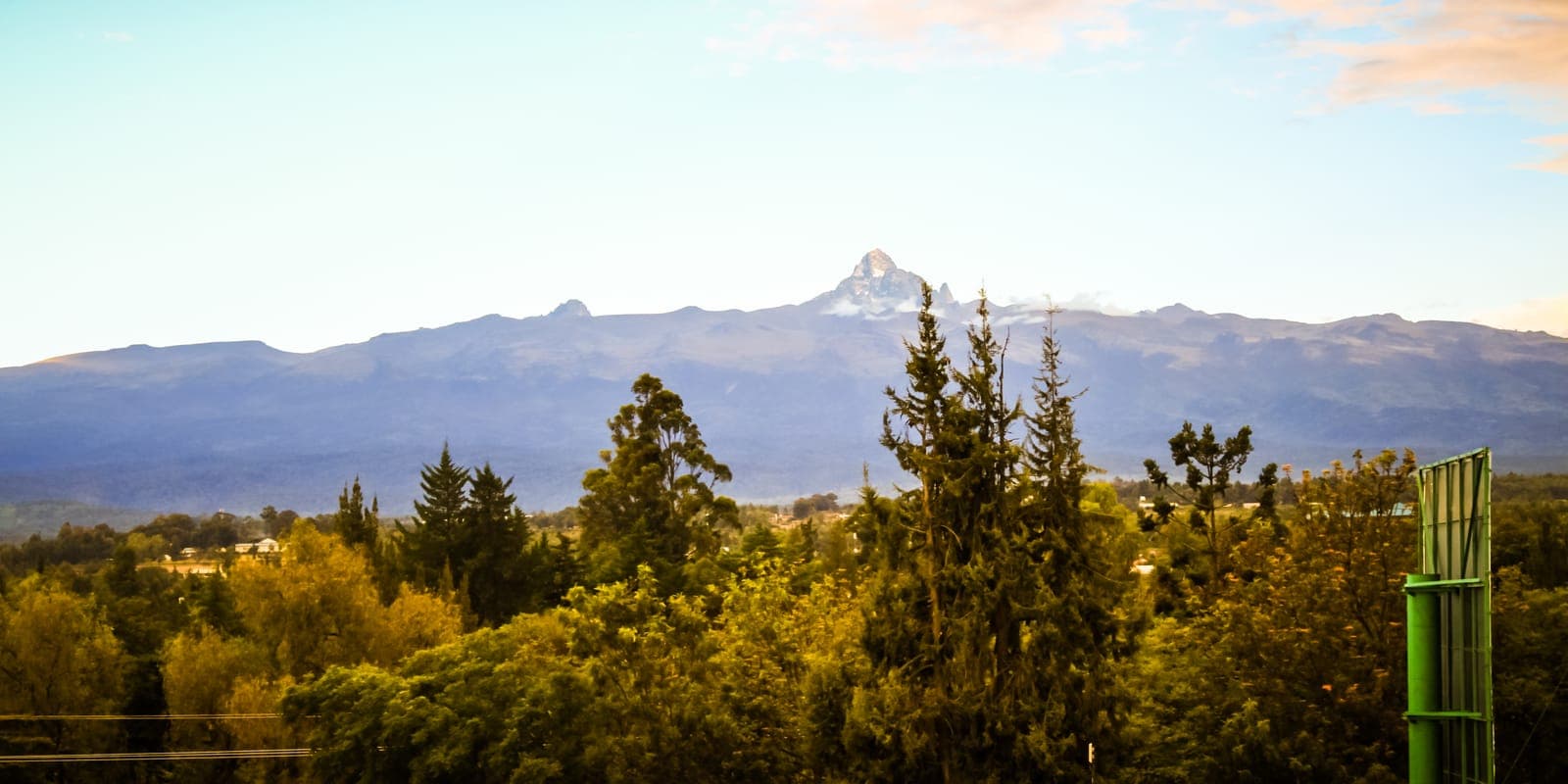
Unlike Kilimanjaro, where most trekkers sleep in fixed huts, a Mount Kenya trek is largely a camping expedition, with designated sites spaced along each route at roughly a day's walking distance apart. It's a more hands-on, expedition-style experience — and a big part of what makes the mountain feel wilder than its more commercialised neighbour.
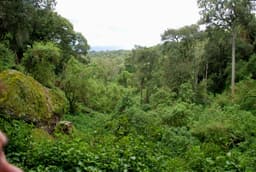
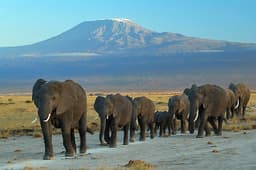
Lower camps, in the forest and bamboo zones, are relatively mild and often shared with sound of hyrax and the occasional elephant passing through at night. Higher camps in the moorland and alpine zones are a different story: nights regularly drop below freezing, and frost on the tent by morning is normal even a few degrees south of the equator. Shipton's Camp and Mackinder's Camp, both near the base of the summit circuit, are the classic staging points for a pre-dawn push to Point Lenana.
Packing for cold-weather camping at altitude
- A four-season sleeping bag rated well below freezing is essential for the upper camps.
- Porters typically carry the bulk of group gear, but personal warm layers should stay with you.
- Water sources are cold mountain streams — bring purification tablets or a filter as backup.
- Reputable trekking operators provide sturdy tents suited to the altitude; check this before booking.
Most people combine 3–4 nights of camping with the summit push on day 4 or 5, descending the same day or the next — a proper wilderness camping trip with one of Africa's great peaks as the backdrop.