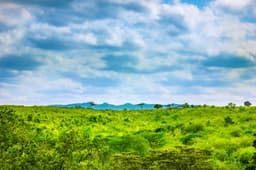
Above Aberdare National Park's forest and bamboo zones, the terrain opens into high-altitude moorland — a stark, tussock-grass landscape punctuated by giant lobelias and groundsels similar to those found on Mount Kenya, given the shared high-altitude ecology, but considerably less visited given the Aberdares' reputation as primarily a wildlife-viewing rather than trekking destination.
Hiking here requires proper preparation for genuinely cold, often misty conditions despite the equatorial location, but rewards visitors with a landscape unlike anywhere else easily accessible from Nairobi — closer in feel to a highland moor than a typical East African safari setting.
Planning a moorland hike
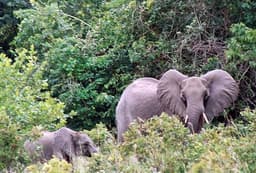
- A licensed guide is required, both for navigation in frequently misty conditions and for wildlife awareness given the presence of buffalo and elephant even at altitude.
- Warm, waterproof clothing is essential regardless of season.
- The moorland offers a genuinely different photographic subject from Kenya's more typical savannah and forest landscapes.
- Combine with lower-elevation game drives or a treetop lodge stay for a fuller Aberdare visit.
For hikers wanting something beyond Mount Kenya's more established trekking routes, the Aberdare moorlands offer a quieter, equally striking alternative.