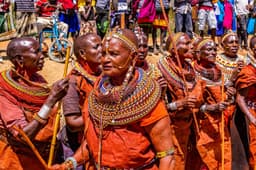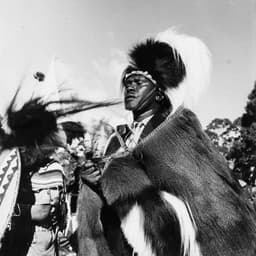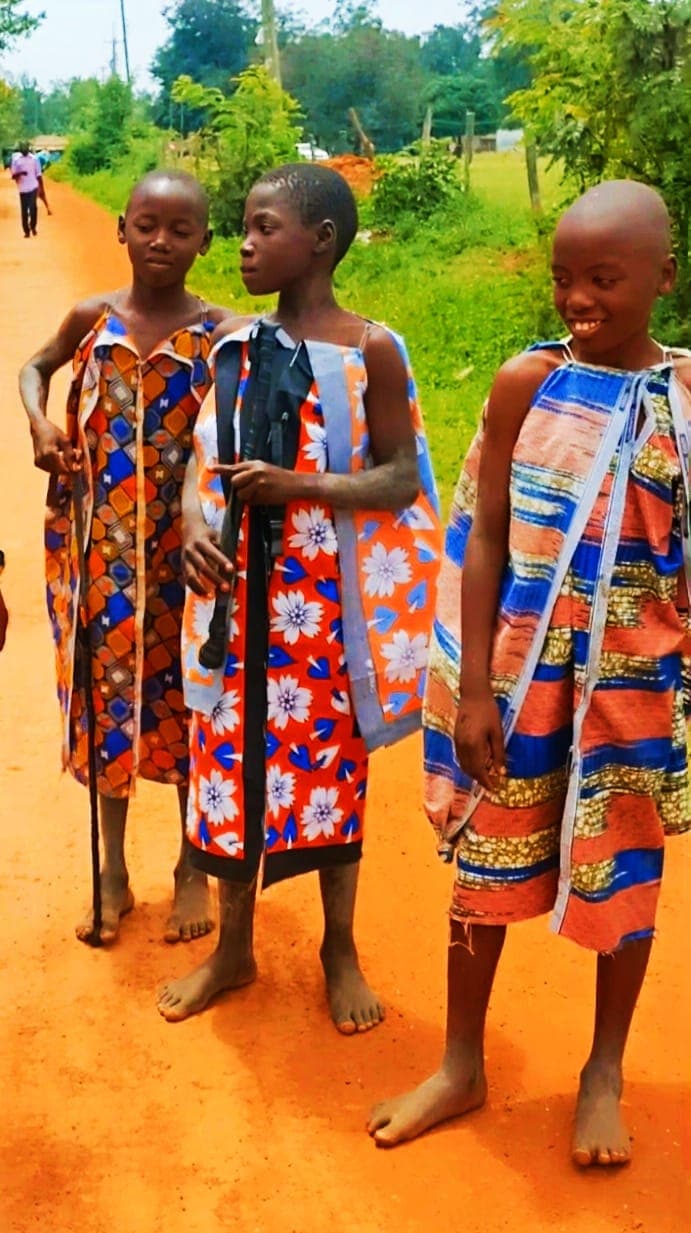
Kenya's traditional dance forms are as ethnically and regionally diverse as the country's approximately 45 recognised ethnic communities, with each community typically maintaining several distinct dance styles tied to specific ceremonial occasions — circumcision ceremonies, weddings, funerals, harvest celebrations and general community festivity — rather than a single generic "traditional dance" applicable across all contexts.
Western Kenya: isukuti and energetic drumming styles
The Luhya isukuti, covered in this blog's Bukusu coverage, stands among Kenya's most internationally recognised traditional dance forms, characterised by extremely fast, energetic drumming and correspondingly vigorous dance movement, traditionally performed at circumcision ceremonies and major celebrations, and increasingly promoted as a candidate for UNESCO intangible cultural heritage recognition given its distinctiveness and continued vibrant community practice.
Rift Valley and pastoralist movement traditions
The Maasai adumu, commonly called the "jumping dance," represents one of Kenya's most visually iconic traditional performances — young warriors (moran) competing to jump as high as possible from a standing position, demonstrating strength and vitality, traditionally performed at significant ceremonial occasions including age-set transition ceremonies. Various Kalenjin sub-groups and the Samburu maintain their own distinct traditional dance forms, often incorporating specific movement vocabularies tied to their particular ceremonial functions and age-set traditions.
Coastal chakacha and Swahili-influenced dance
Along the coast, chakacha — a rhythmic dance style blending Mijikenda and broader Swahili coastal musical influences, covered in this blog's nightlife coverage — has become closely associated with coastal wedding celebrations and general festive occasions, characterised by distinctive hip movement and call-and-response musical accompaniment reflecting the coast's broader Bantu-Arab-Persian cultural blending discussed elsewhere on this blog.
Nyanza and Luo performance traditions
Luo traditional dance, often performed alongside nyatiti lyre music covered elsewhere on this blog, incorporates distinctive movement styles associated with storytelling and praise poetry performance, historically capable of extending for considerable duration as skilled performers built extended narrative and musical compositions for audiences.
The kilumi and Kamba rainmaking dance
The Kamba kilumi, covered in this blog's Kamba coverage, represents a particularly striking example of dance directly tied to specific ritual function — traditionally performed as part of rainmaking ceremonies, featuring circular formation and driving, trance-inducing rhythm quite distinct in character from the more percussive, jump-oriented styles found elsewhere in the country.
Experiencing Kenyan traditional dance
- Bomas of Kenya, covered elsewhere on this blog, offers the single most comprehensive introduction to multiple communities' traditional dance styles performed side by side.
- Community-specific ceremonies — circumcision events, weddings, cultural festivals — offer the most authentic context for experiencing any given dance form's genuine ceremonial function.
- National cultural festivals and school drama festivals (a genuinely significant institution in Kenyan education) frequently showcase traditional dance performed by young people actively learning and preserving these traditions.
- Approach each dance form as tied to its own specific community and ceremonial context, rather than treating "African dance" as an undifferentiated single category.
The sheer variety of Kenya's traditional dance forms — from vigorous circumcision-ceremony drumming to trance-inducing rainmaking rhythms to warrior jumping competitions — reflects the same deep ethnic and cultural diversity found throughout this blog's broader coverage of the country's many communities.