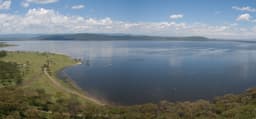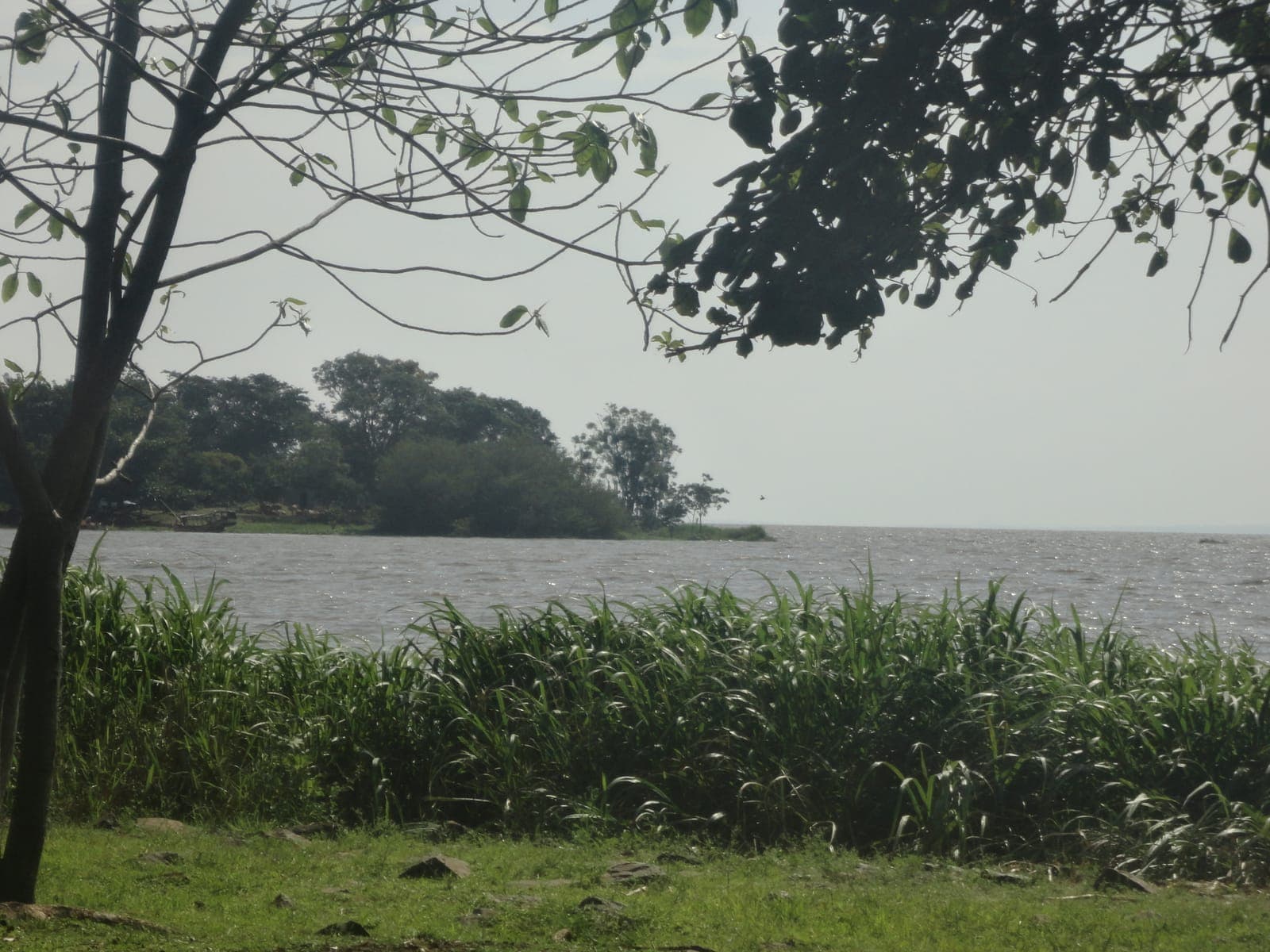
Lake Victoria is the largest lake in Africa and the second-largest freshwater lake in the world by surface area, shared between Kenya, Uganda and Tanzania. Kenya's share of the shoreline, centred around Kisumu, supports a way of life built almost entirely around fishing — Nile perch and tilapia in particular have shaped the local economy for generations, for better and occasionally for worse given the ecological disruption Nile perch introduction caused decades ago.
Traditional fishing villages along the shoreline still operate much as they have for generations, with wooden boats heading out at dawn and dusk and fish landing sites bustling with activity as the catch comes in. Visiting one of these landing sites early in the morning gives a far more authentic sense of the lake's role in local life than any organised tour could.
Experiencing the lake
- Dunga Beach, near Kisumu, is one of the most accessible and well-known fishing and landing sites for visitors.
- Boat trips can be arranged to see the lake up close, including papyrus channels and birdlife along quieter shorelines.
- Water hyacinth, an invasive plant, periodically covers large areas of the lake surface — a visible, ongoing environmental issue worth understanding as part of the lake's story.
- Sunset over the lake, particularly viewed from Kisumu's shoreline, is genuinely spectacular.
Lake Victoria rarely tops first-time Kenya itineraries dominated by safari parks, but for anyone interested in the country's cultural and economic geography beyond wildlife, it's an essential and underrated stop.