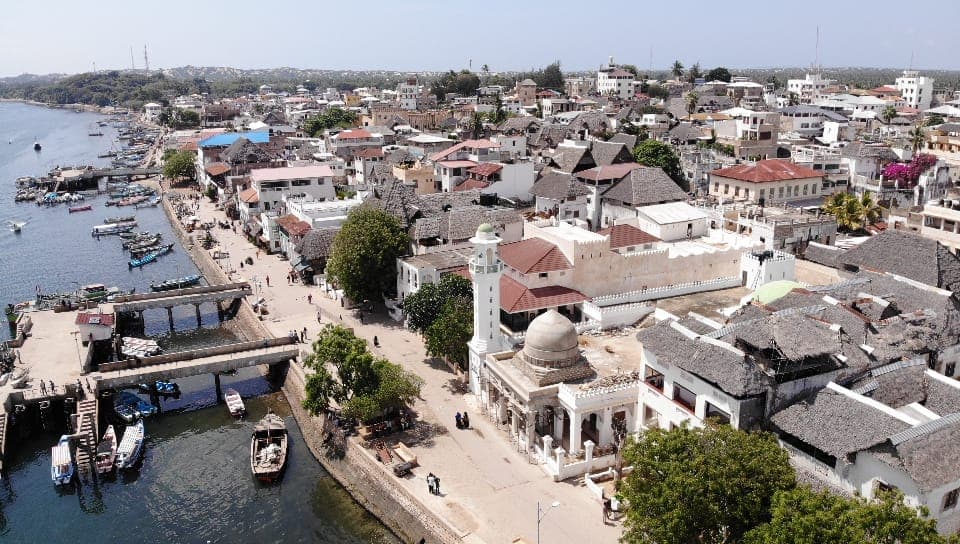
Lamu's food culture draws on the same deep well of Swahili, Arab, Persian and Indian influence as its architecture, and being an island with an active fishing fleet means seafood here is about as fresh as it gets. Grilled fish, octopus and prawns are staples, often cooked simply — over charcoal, with lime and chilli — to let the freshness speak for itself.
Coconut appears constantly, in fish curries, in rice dishes, and in mahamri, the slightly sweet, cardamom-spiced fried bread eaten across the coast, particularly at breakfast. Look also for viazi karai, spiced potatoes fried in a turmeric batter, a popular street snack, and Swahili-style biryani and pilau served at small local eateries rather than tourist-facing restaurants.
Where to find it
- Waterfront restaurants in Old Town serve fresh seafood with views over the harbour and passing dhows.
- Small local eateries away from the main tourist strip often serve the most authentic, best-value Swahili dishes.
- Shela village has its own smaller cluster of beachfront cafes and restaurants with a more relaxed pace.
- Ask your hotel about home-cooked meal experiences — some families in town host small, authentic Swahili dinners for visitors.
Eating in Lamu is unhurried by design — meals here are meant to stretch across a slow evening, ideally finished with sweet, spiced Swahili tea (chai ya tangawizi) as the town settles into its quiet, car-free nights.