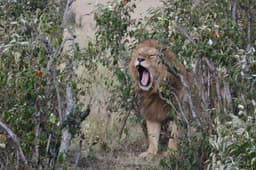
Meru National Park, made famous internationally by Joy Adamson's book and film Born Free about the lioness Elsa, suffered devastating poaching losses through the 1980s that nearly emptied it of elephant and rhino and saw visitor numbers collapse for years afterward. A sustained, well-funded recovery effort since the early 2000s has rebuilt both the wildlife populations and the park's infrastructure, and Meru today is a genuine conservation success story that remains far less visited than its reputation deserves.
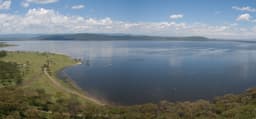
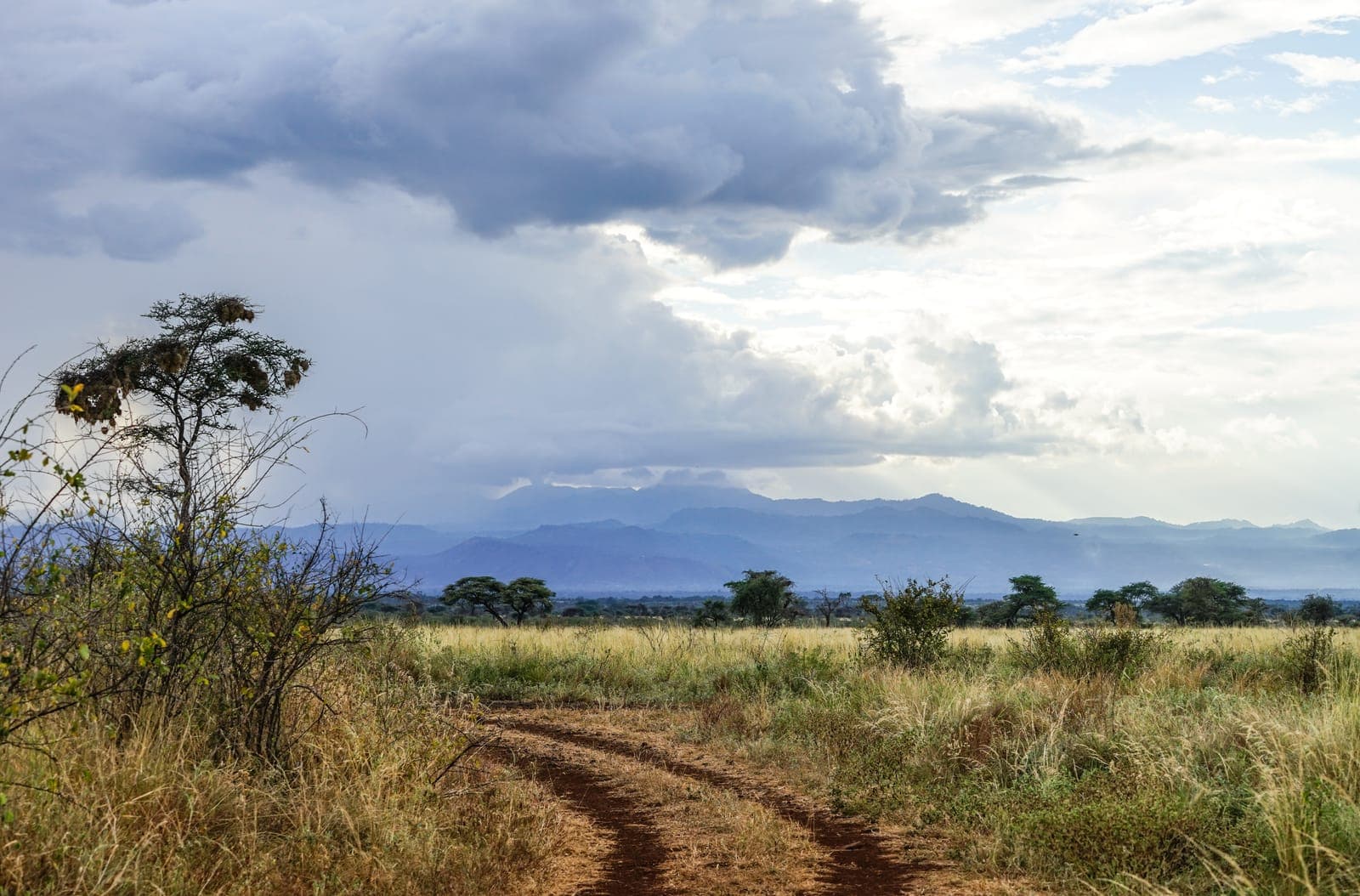
The park's landscape is unusually lush and well-watered for northern Kenya, criss-crossed by numerous rivers and streams that support dense vegetation alongside more typical open savannah — a genuinely varied landscape within a single park. A well-guarded rhino sanctuary now protects a growing population of both black and white rhino.
Why Meru is worth seeking out
- Significantly fewer visitors than the Mara or Amboseli, for a genuinely wild, uncrowded safari experience.
- Elsa's grave and memorial sites connect directly to the Born Free story for those familiar with it.
- The park's numerous rivers support excellent birdlife alongside typical big game.
- Combine with neighbouring Kora National Park for an even more remote extension.
For travellers wanting a genuine, well-recovered wilderness experience without the vehicle congestion of more famous parks, Meru delivers.