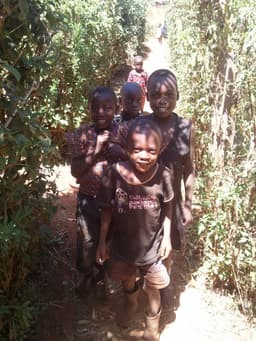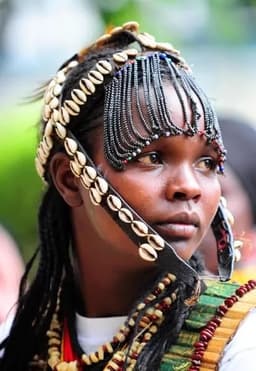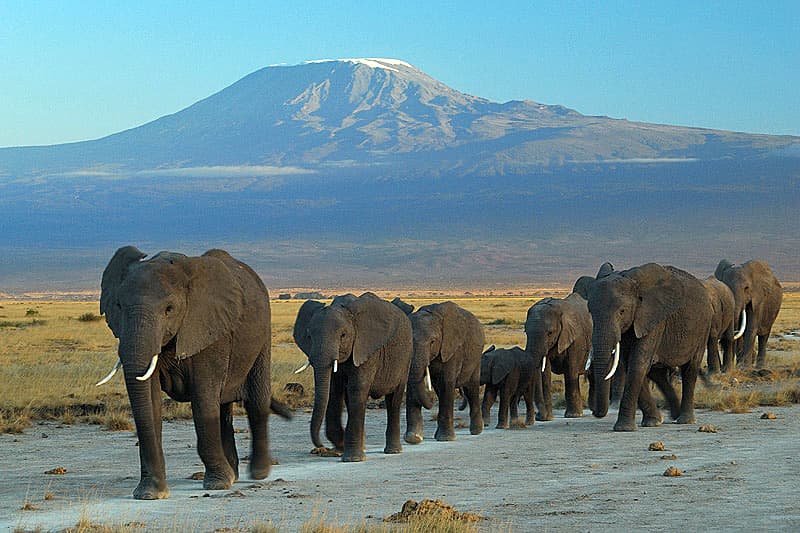
The land around Amboseli National Park has been Maasai territory for generations, and the relationship between local communities and the park's famous elephant population is considerably more complex — and more central to conservation success — than most visitors realise. Community-run conservancies bordering the park now generate income directly from tourism and conservation fees, giving Maasai landowners a direct stake in wildlife protection rather than viewing it purely as a constraint on grazing land.
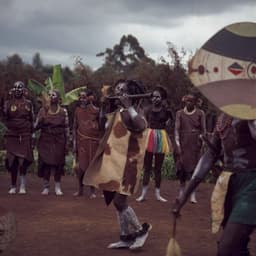
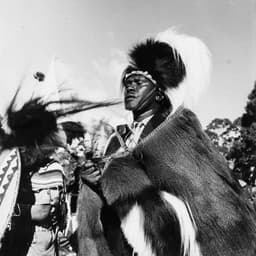
Many camps and lodges in the Amboseli area arrange visits to Maasai manyattas (homesteads), where visitors can see traditional housing construction, learn about the cattle-centred economy that remains central to Maasai identity, and watch traditional song and dance performances, including the well-known warrior jumping dance.
Engaging respectfully
- Choose visits organised through your camp or an operator with an established, fair-payment relationship with the community.
- Ask before photographing individuals, and expect that fees support the community directly rather than just a tour operator.
- Understanding the conservancy model gives valuable context for why Amboseli's wildlife and local communities have found a workable coexistence.
A cultural visit adds essential human context to Amboseli's wildlife spectacle — the elephants and the Maasai have shared this landscape for a very long time.