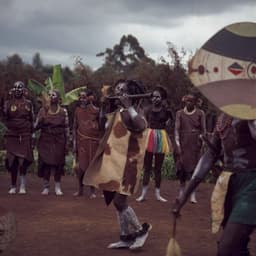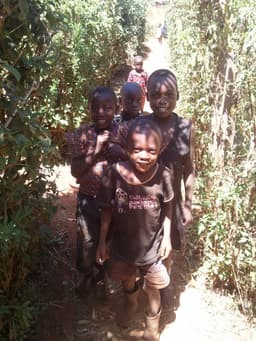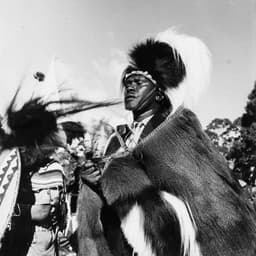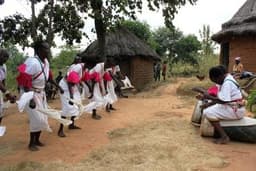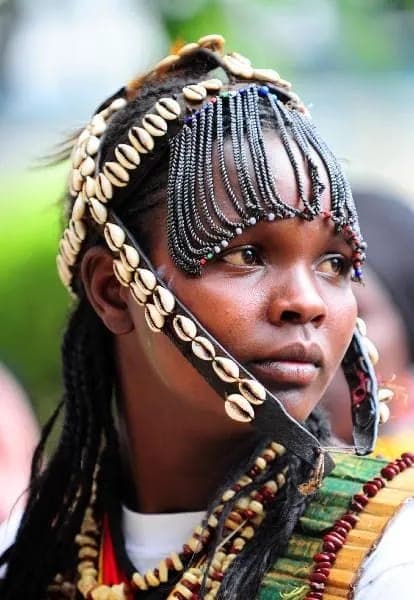
Like the Luhya, "Kalenjin" is an umbrella identity covering several related Nilotic-speaking communities of Kenya's western Rift Valley highlands — principally the Nandi, Kipsigis, Tugen, Keiyo (Elgeyo), Marakwet, Pokot and Sabaot — who share closely related languages and a broadly similar traditional way of life centred on cattle-keeping and highland agriculture, but who only consolidated into a single "Kalenjin" political and cultural identity during the mid-20th century, partly as a deliberate ethnic-mobilisation strategy during the colonial and early independence periods.
The name itself derives from a phrase meaning roughly "I tell you," popularised through 1950s Kalenjin-language radio broadcasts that helped knit the previously separately-identified sub-groups into a shared linguistic and political community — one of the more clearly documented examples of a modern pan-ethnic identity being actively constructed rather than simply inherited from deep antiquity.
Age-sets and traditional governance
Kalenjin sub-communities traditionally organise society through an age-set system (ibinda) broadly similar in structure to those of the Maasai and other East African pastoralist-agriculturalist groups, with initiation into warriorhood, and later elderhood, marking clear stages of male social progression accompanied by circumcision ceremonies, ritual seclusion, and instruction from senior age-mates. Councils of elders drawn from senior age-sets historically held authority over land disputes, ritual matters and community discipline, operating without a centralised chieftaincy structure.
The running phenomenon
No account of Kalenjin culture can avoid its most globally famous feature: an extraordinary, decades-long dominance of world middle- and long-distance running, disproportionately concentrated among Kalenjin athletes — particularly Nandi and Kipsigis runners from towns like Eldoret and Iten, covered in more depth elsewhere on this blog. Researchers point to a combination of factors — high-altitude physiology developed from childhood, a demanding pastoralist lifestyle historically involving long-distance movement on foot, strong local training infrastructure, and powerful economic incentives, since running success offers one of the most realistic paths to significant income for young people in the region.
Cattle, mursik and highland life
Cattle wealth remains culturally central across Kalenjin sub-groups, both as a practical economic asset and a marker of social status historically tied to bridewealth negotiations. Mursik, a distinctive fermented milk stored and cured in a specially treated gourd using charcoal from particular local trees, remains a genuinely widespread dietary staple and cultural touchstone, often anecdotally credited — with mixed scientific support — as part of the dietary tradition behind the region's running success.
Engaging with Kalenjin communities
- Eldoret, Iten and Kapsabet (covered separately on this blog) offer the most direct access to Kalenjin highland culture and the running phenomenon specifically.
- Kabarnet and the Tugen Hills area preserve strong Tugen cultural and pastoralist traditions.
- Try mursik if offered locally — it's a genuinely distinctive taste and a meaningful cultural touchstone rather than just a curiosity.
- Approach the running-success discussion with appropriate nuance — researchers themselves stress it's multi-causal, not reducible to a single genetic or dietary explanation.
Understanding the Kalenjin as a constructed but genuinely lived pan-ethnic identity, built from several historically distinct highland communities, adds real depth to what's often flattened in international media into a simple "running tribe" narrative.