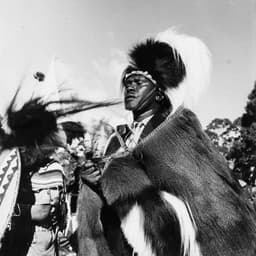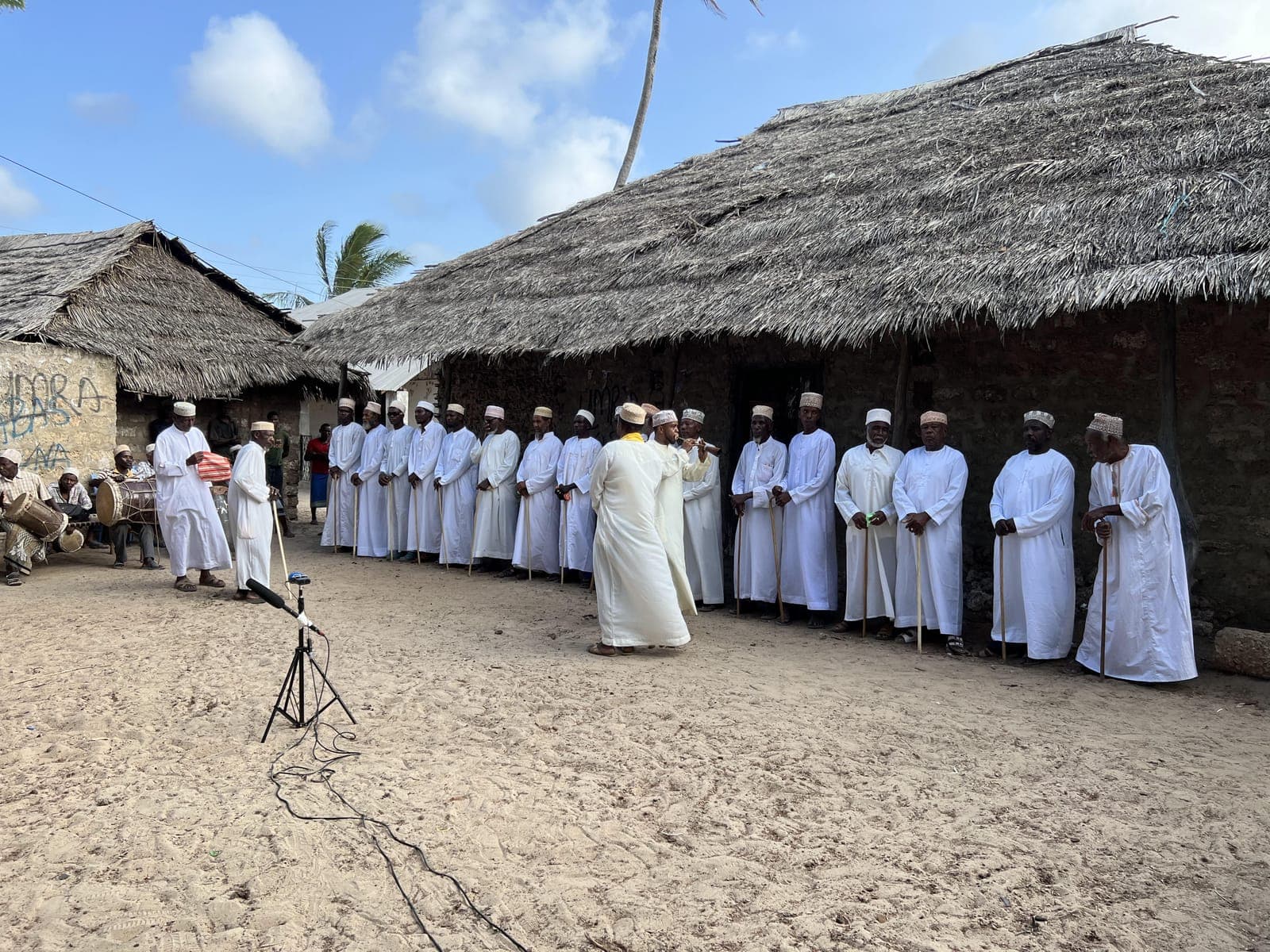
The Aweer, more commonly known by the exonym Boni, are one of Kenya's last remaining communities with a historically hunter-gatherer, forest-based way of life, settled in the dense coastal woodland of the Boni-Dodori forest area near the Kenya-Somalia border, in the same broader coastal frontier region as the Bajuni covered separately above. Traditional Aweer subsistence combined honey gathering, hunting and foraging of forest plant foods within this coastal forest ecosystem, a lifestyle that historically set them apart from virtually all their farming and pastoralist neighbours along the coast and in the immediate interior.
Linguistically, the Aweer language is classified within the Cushitic family, related distantly to the Somali and Rendille languages, though centuries of proximity to Bantu Swahili-Bajuni coastal communities and, more recently, Somali populations have introduced significant cultural and linguistic influence from both directions.
Forest knowledge and traditional honey-hunting
The Aweer developed an exceptionally detailed traditional knowledge of the Boni forest's plant and animal resources, including sophisticated honey-hunting techniques using smoke to calm wild bee colonies in forest tree hollows — a skill and body of ecological knowledge that has attracted interest from conservation researchers studying sustainable forest resource use in one of Kenya's most significant remaining coastal forest ecosystems.
Displacement, security concerns and cultural pressure
The Aweer have faced severe pressure on their traditional forest-based lifestyle over recent decades, driven by a combination of factors: gradual conversion of forest land to agriculture by neighbouring communities, formal protected-area and forest conservation policies that have restricted traditional access and resource use, and, most acutely in recent years, significant security operations and displacement linked to Al-Shabaab militant activity along the Kenya-Somalia border region, which has directly affected Boni forest communities and severely disrupted both their traditional livelihood and basic safety and stability.
Transition toward settled livelihoods
Partly as a consequence of these combined pressures, many Aweer have transitioned, often not entirely voluntarily, toward more settled farming or wage-labour livelihoods in recent decades, raising serious and genuinely urgent concerns among anthropologists, human rights advocates and some community members themselves about the survival of the community's traditional forest-based culture and specialised ecological knowledge within a single generation.
Understanding Aweer challenges with appropriate context
- The Boni forest region remains affected by genuine, ongoing security concerns — this is not currently an accessible tourism destination in the way most communities covered on this blog are.
- Understanding the Aweer's situation requires engaging honestly with the security and displacement context rather than presenting only a romanticised traditional-culture narrative.
- Academic and human rights organisation reports offer the most responsible current source of information on the community's circumstances for those wanting to learn more.
- Any future re-engagement with the region should prioritise community safety and consent above tourism interest.
The Aweer's situation illustrates a harder truth often absent from celebratory "cultural diversity" framing: some of Kenya's most ecologically distinctive traditional communities face genuinely urgent, unresolved threats to their continued existence as culturally distinct peoples, tied to forces — conflict, displacement, land pressure — well beyond their own control.