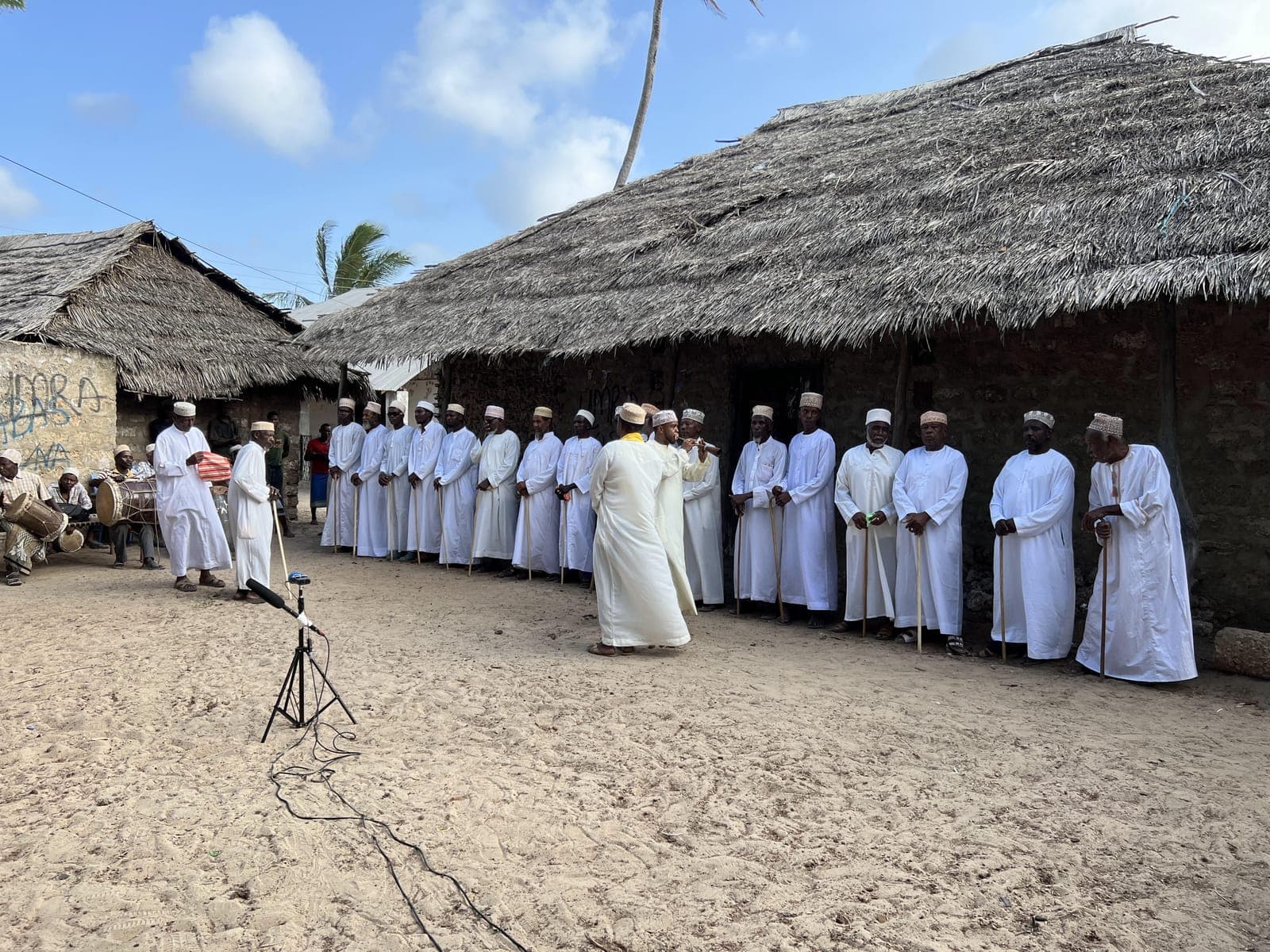
The Bajuni are a Swahili-speaking coastal community settled across the Lamu archipelago and extending along the coast toward the Kenya-Somalia border, representing, geographically, one of the most genuinely eastern communities covered in this blog's tribal coverage — their traditional territory sits at the literal easternmost edge of Kenya's coastline, with related Bajuni populations also historically present in southern Somalia before decades of conflict there significantly disrupted those communities.
Bajuni identity and culture are deeply embedded within the broader Swahili coastal civilisation — a centuries-old Bantu-Arab-Persian trading culture spanning the East African coast from Somalia to Mozambique — with the Bajuni specifically distinguished by their close association with the Lamu archipelago's islands and a particularly strong historical maritime and boat-building tradition even by broader Swahili coastal standards.
Maritime culture and traditional boat-building
Bajuni communities have historically been among the most skilled traditional dhow sailors and boat builders along the East African coast, with generations of accumulated knowledge of monsoon wind patterns, navigation and vessel construction that supported centuries of trade connecting the Lamu archipelago to ports across the Indian Ocean world, from Arabia to India. Fishing remains a central Bajuni livelihood today, using traditional methods and vessels alongside more modern fishing technology, in the rich marine waters surrounding the archipelago's islands.
Islamic faith and Swahili poetic tradition
Like the broader Swahili coastal culture, the Bajuni are predominantly Muslim, with Islamic scholarship, mosque architecture and religious festival life forming a central part of community identity, alongside participation in the broader Swahili poetic and oral literary tradition — Lamu specifically, covered extensively elsewhere on this blog, has long been recognised as one of the most significant centres of Swahili classical poetry and Islamic scholarship anywhere on the coast, with the Bajuni community's island settlements contributing to that broader cultural reputation.
Displacement and modern challenges
The Bajuni have faced significant disruption in recent decades, both from the collapse of related Bajuni communities across the border in Somalia due to that country's prolonged conflict, and from security concerns along the Kenya-Somalia coastal border region that have, at various points, affected fishing access, trade and general community life in the more remote parts of Bajuni territory closest to the border.
Exploring Bajuni culture in the Lamu archipelago
- Lamu Old Town, covered extensively elsewhere on this blog, sits within the broader Bajuni and Swahili cultural region of the archipelago.
- Traditional dhow sailing trips, also covered elsewhere on this blog, connect directly to the Bajuni's historical maritime expertise.
- Smaller, less-visited islands within the Lamu archipelago beyond Lamu town itself offer more direct access to specifically Bajuni fishing communities.
- Approach the community's cross-border connection to Somalia and associated security context with informed awareness rather than casual assumption.
The Bajuni's centuries-deep maritime and Islamic scholarly tradition places them among the cultural heirs of one of the Indian Ocean world's most historically significant trading civilisations, based right at Kenya's easternmost coastal frontier.