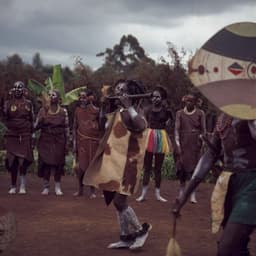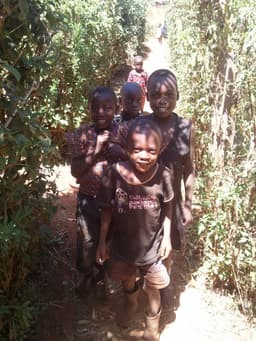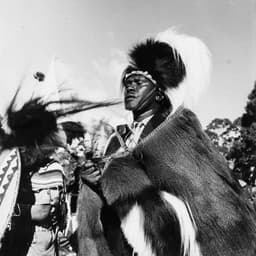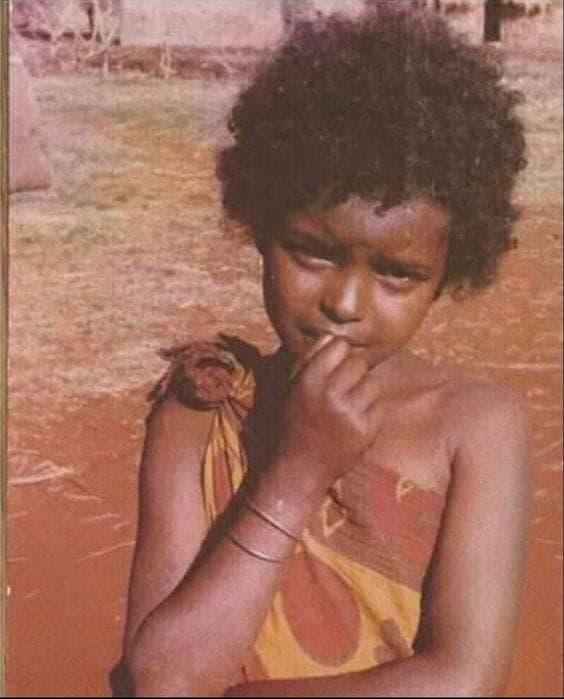
The Borana are a significant Cushitic-speaking community settled across Kenya's northern frontier region, principally Marsabit and Isiolo counties, part of the much larger Oromo ethnic family whose main population is concentrated across the border in Ethiopia — another of Kenya's several communities whose traditional territory extends across an international boundary, with the Kenyan Borana forming a smaller southern extension of a much larger cross-border Oromo cultural and linguistic zone.
Traditional Borana pastoralism centres on cattle, with camels and smaller livestock also significant, adapted to the harsh, low-rainfall conditions of Kenya's northern rangelands through seasonal grazing movement patterns and sophisticated traditional knowledge of water and pasture resource management across the region's semi-arid terrain.
The gadaa system: a celebrated indigenous governance model
The Borana, alongside the broader Oromo people, maintain the gadaa system, widely regarded by anthropologists and political scientists as one of the most sophisticated indigenous African governance institutions — a highly structured age-grade system in which entire cohorts of men move through a fixed sequence of social and political roles over an eight-year cycle, with specific grades holding defined military, judicial, ritual and legislative responsibilities, and leadership positions rotating on a fixed schedule rather than through inheritance or indefinite tenure. The gadaa system has drawn sustained academic interest as an example of indigenous African democratic and constitutional practice predating European contact, and elements of it remain functionally active among Borana communities in Kenya today, operating alongside modern county and national government structures.
Traditional wells and water management
Borana communities in the drier parts of their territory maintain traditional deep well systems (called "singing wells" in some accounts, for the rhythmic chants herders use while passing water up in a human chain from deep underground) — a remarkable traditional water-access technology and associated communal labour and governance system for regulating well access and grazing rotation among different herding groups sharing scarce water resources.
Islamic faith and traditional belief
Most Kenyan Borana are Muslim, having adopted Islam through historical trade and cultural contact across the Horn of Africa, though elements of traditional Oromo/Borana religious belief, including reverence for Waaqa (the sky god central to traditional Oromo cosmology), persist in various blended forms alongside Islamic practice in different Borana communities.
Exploring Borana culture in northern Kenya
- Marsabit, covered elsewhere on this blog, sits within significant Borana territory and offers access to the community's pastoralist culture alongside the region's unique forested mountain ecology.
- Isiolo, also covered elsewhere on this blog, serves as a practical gateway to the wider Borana cultural region.
- Local guides can offer insight into the gadaa system's continued functional role, though outsider access to its more ritual and internal governance dimensions is understandably limited.
- Traditional well systems, where visitable with appropriate community arrangement, offer a striking demonstration of indigenous water-management engineering.
The Borana's gadaa governance system stands among the most academically celebrated indigenous African political institutions, offering a genuinely sophisticated counter-example to any assumption that pre-colonial African societies lacked structured, accountable governance systems.