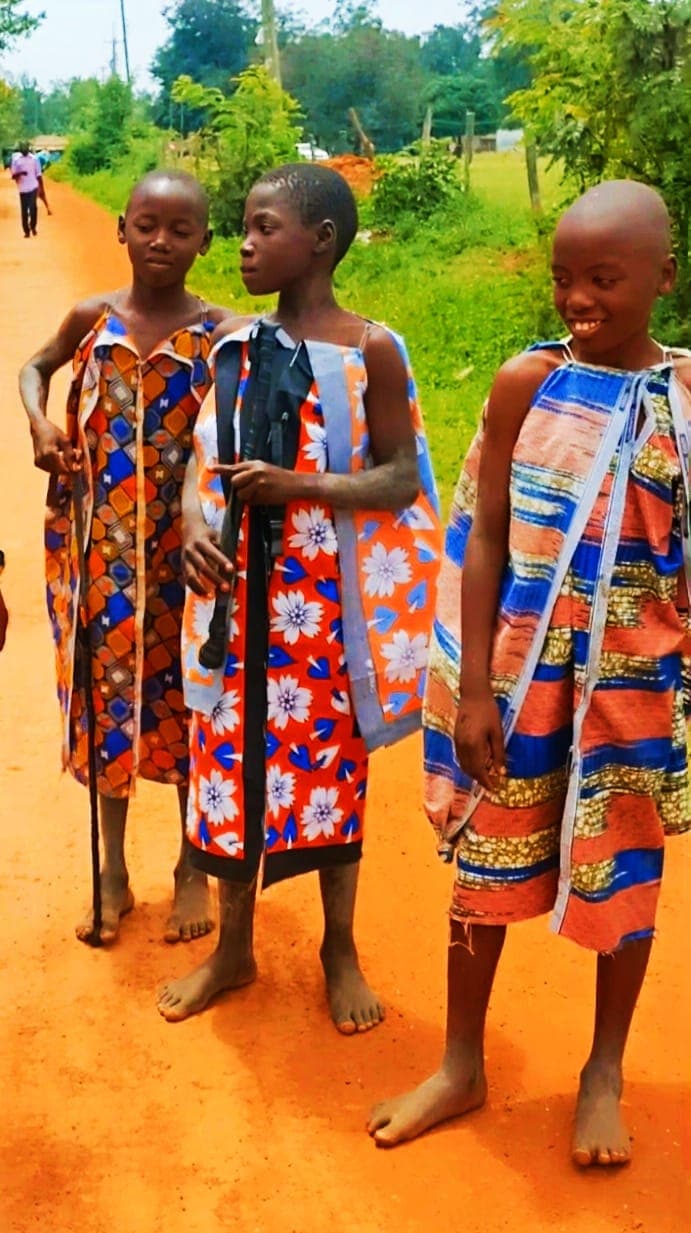
The Bukusu are the largest single sub-group within the broader Luhya community, settled predominantly in Bungoma County in western Kenya near the Ugandan border and the slopes of Mount Elgon. While sharing the broader Luhya linguistic and cultural family covered elsewhere on this blog, the Bukusu maintain a strong distinct identity, most visibly expressed through one of Kenya's most elaborate and publicly celebrated traditional ceremonies: mass male circumcision, held biennially in years ending in an even number, drawing Bukusu men from across Kenya and the global diaspora home to be initiated alongside age-mates.
Bukusu oral tradition traces community origins to a migration from the Mount Elgon region, and the community developed a strong warrior tradition historically, alongside a decentralised clan structure with councils of elders handling governance and dispute resolution at the local level.
The circumcision season
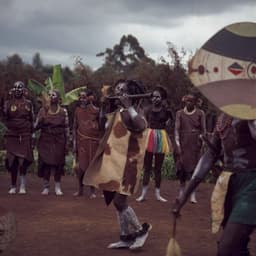
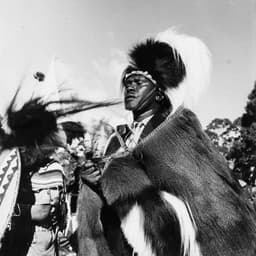
The Bukusu circumcision ceremony (khuchukuka) is a multi-day, highly public event involving specific ritual preparation, traditional dress, drumming and dance, with initiates undergoing the procedure in public view as a demonstration of courage — showing pain or fear during the procedure carries significant social stigma, while composure earns lasting respect and status within the community. The ceremony is treated as an absolutely defining marker of Bukusu male identity: men who have not undergone traditional circumcision, even if medically circumcised in a clinical setting, are traditionally not considered to have completed the full cultural transition to adulthood in the eyes of the community, and returning home for the ceremony remains a powerful pull for Bukusu men living far from Bungoma.
Isukuti dance and cultural expression
The energetic isukuti drumming and dance style, performed at circumcision ceremonies and other major celebrations, is particularly strongly associated with the Bukusu specifically among the various Luhya sub-groups, and has become one of the most recognisable Kenyan traditional dance forms performed at national cultural festivals and increasingly promoted internationally.
Agriculture and the Mount Elgon connection
Bukusu territory benefits from Mount Elgon's fertile volcanic soil and reliable rainfall, supporting productive maize, sugarcane and dairy farming, and the community maintains close cultural and economic ties to the surrounding Mount Elgon region shared with the neighbouring Sabaot community, despite the two groups' distinct ethnic identities and, at various historical points, land-related tensions.
Experiencing Bukusu culture
- Bungoma, covered in this blog's nightlife coverage, offers direct access to Bukusu cultural and commercial life.
- The circumcision season (August, even years) is a genuinely significant cultural event — visit with a local guide and appropriate sensitivity given its deeply personal and community-specific nature.
- Isukuti performances appear regularly at Bomas of Kenya programming and national cultural festivals for those unable to visit during circumcision season specifically.
- Local Bukusu cuisine, including traditional ugali and vegetable preparations, is widely available across Bungoma's markets and eateries.
Few Kenyan communities maintain a rite of passage as publicly celebrated, socially binding and consistently practised across generations as the Bukusu circumcision tradition — a genuine living institution rather than a historical remnant.