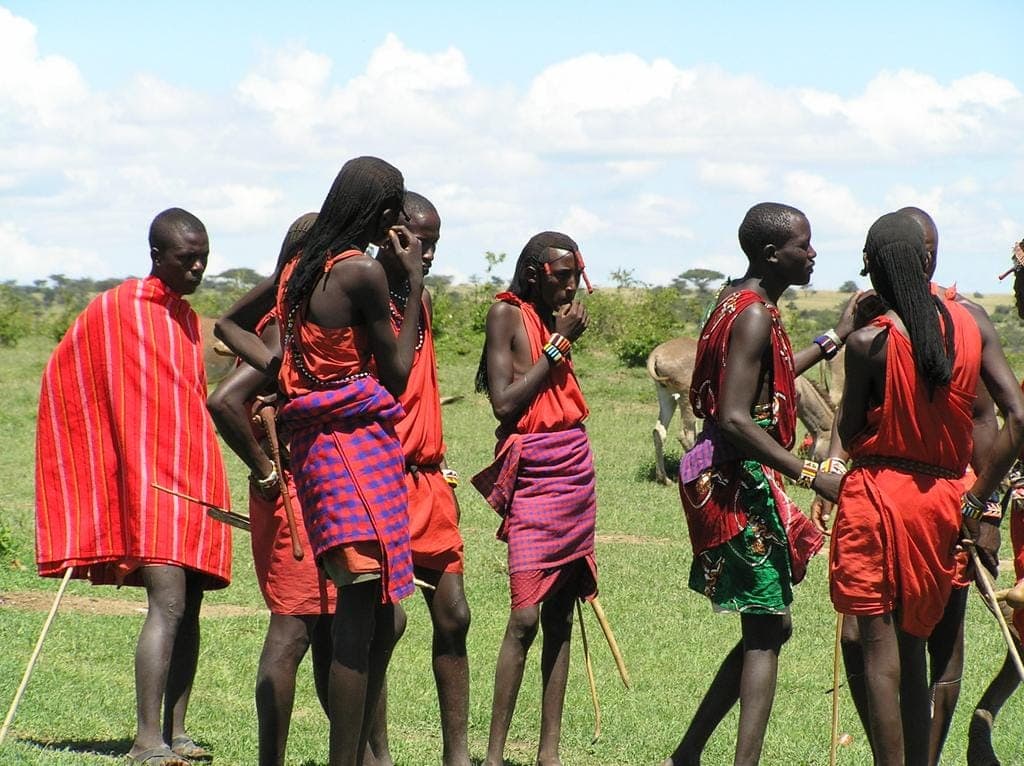
Across Kenya's pastoralist communities — the Maasai, Samburu, Turkana, Kalenjin sub-groups, Borana and others covered individually elsewhere on this blog — cattle occupy a cultural and economic centrality that considerably exceeds their straightforward practical function as a food and income source, functioning simultaneously as the primary store and display of household wealth, the essential currency of marriage negotiation, a significant marker of individual and family social status, and, in several communities' traditional belief systems, an object of genuine spiritual significance tied to origin myths and divine relationship.
Cattle as wealth storage and social insurance
In economies historically without banking infrastructure or reliable formal savings mechanisms, cattle functioned as pastoralist communities' primary form of accumulated, transferable wealth — capable of growing through breeding, providing ongoing returns through milk and blood (traditionally consumed by some communities including the Maasai), and serving as a social insurance mechanism through customary cattle-lending and gift-exchange practices between families that created mutual obligation networks functioning somewhat like an informal social safety net during individual households' periods of hardship or herd loss.
Bridewealth and the marriage economy
As covered in this blog's traditional wedding customs post, cattle bridewealth negotiation remains a central institution across pastoralist and many agricultural Kenyan communities, with the specific number and quality of cattle exchanged reflecting both families' social standing and cementing an ongoing relationship of mutual obligation between the two family groups well beyond the individual marriage itself.
Origin myths and spiritual significance
Several pastoralist communities' traditional cosmology directly ties cattle to divine origin — Maasai tradition, covered elsewhere on this blog, holds that the supreme deity Enkai granted all the world's cattle specifically to the Maasai people at creation, a founding narrative that historically provided religious justification for cattle-raiding against neighbouring communities perceived, within this belief framework, as merely holding cattle that rightfully belonged to the Maasai.
Modern tension: conservation, development and changing economies
Traditional cattle-centred pastoralism today exists in genuine tension with several modern pressures: conservation land-use restrictions in areas overlapping wildlife reserves, increasing land privatisation and subdivision reducing traditional communal grazing range, more frequent and severe drought cycles linked to climate change, and gradual generational shifts toward formal education and non-pastoralist livelihoods among younger community members — creating a genuinely significant ongoing transition for pastoralist communities' traditional economic and cultural model.
Understanding cattle culture respectfully
- Recognise cattle wealth discussions within pastoralist communities as carrying deep social and spiritual significance, not merely economic calculation.
- Approach historical cattle-raiding practices as reflecting a specific, internally coherent traditional belief system, appropriately understood within its historical context rather than through simple modern moral judgment.
- Community conservancies, covered in this blog's Maasai Mara and Amboseli coverage, represent one significant modern attempt to reconcile pastoralist cattle culture with conservation and tourism economics.
- Cattle markets in pastoralist regions offer a genuine, practical window into the ongoing economic reality of livestock-centred livelihoods.
Cattle culture's continued centrality across so many of Kenya's communities, even amid significant modern economic and environmental pressure, illustrates just how deeply pastoralist identity and value systems remain woven into the country's broader cultural fabric.