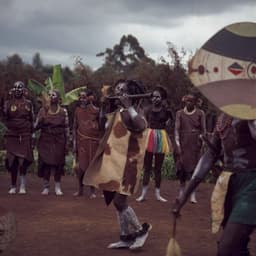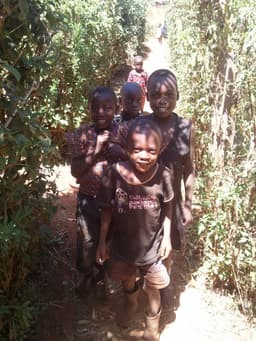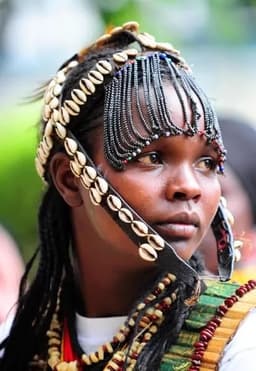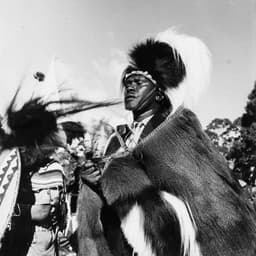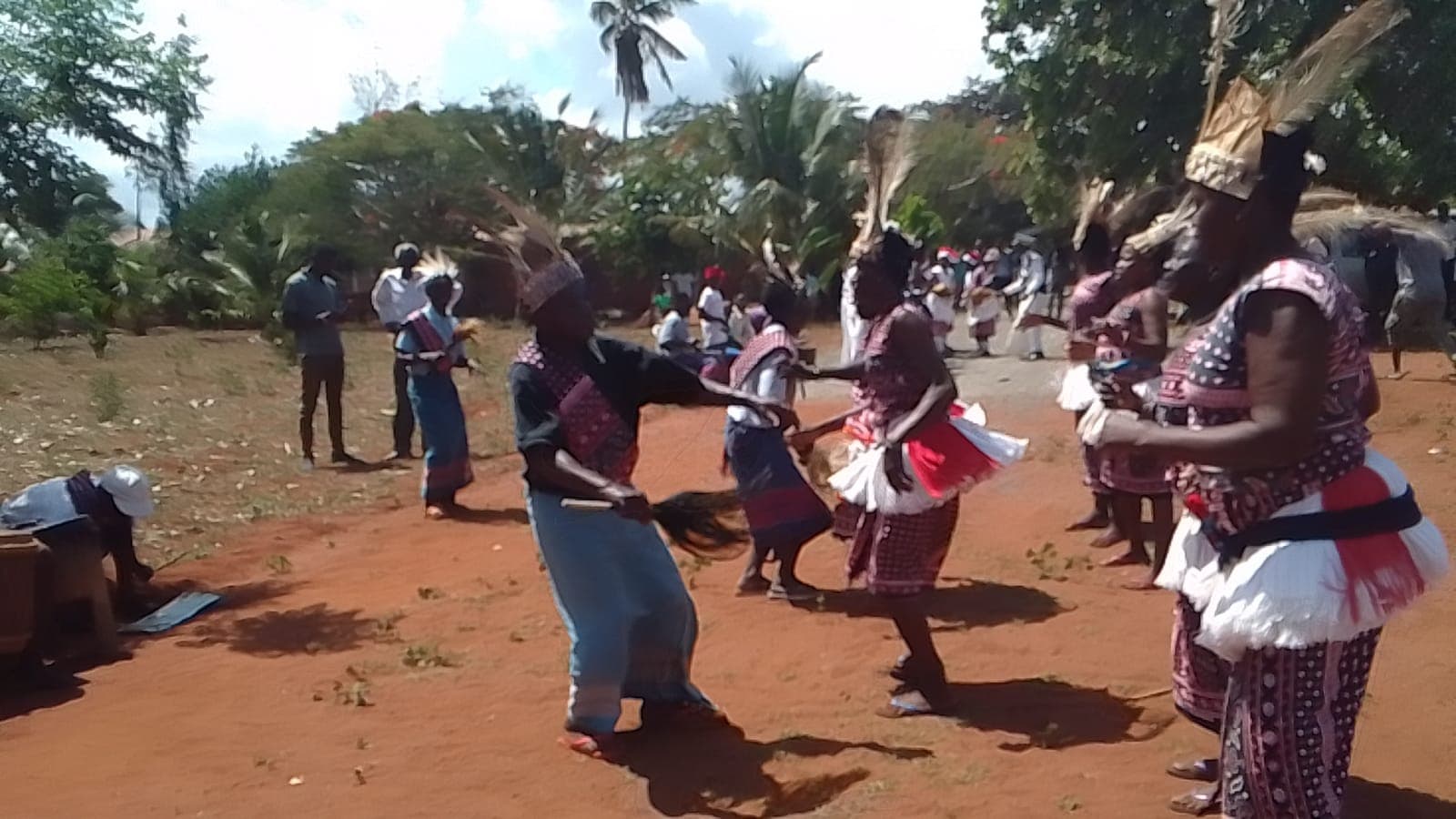
Among the nine Mijikenda sub-groups covered elsewhere on this blog, the Chonyi and Rabai are two of the smaller communities by population, settled in Kenya's coastal hinterland near Mombasa and Kilifi, each maintaining the broader Mijikenda shared origin tradition and kaya sacred forest system while holding their own specific and, in Rabai's case, nationally significant historical distinctions.
Rabai and the birth of Kenyan Christianity
Rabai holds a uniquely significant place in Kenyan religious and colonial history as the site of Kenya's first inland Christian mission station, established in 1846 by the German missionary Johann Ludwig Krapf — the same missionary credited with the first recorded European sighting of Mount Kenya and significant early work translating scripture into Swahili. The mission station at Rabai, preserved today as a heritage site, marks the starting point of Christianity's spread into the East African interior and represents one of the most historically documented points of contact between Mijikenda communities and European missionary activity, with all the complex legacy — educational opportunity alongside cultural disruption — that such contact entailed across the wider region in subsequent decades.
Chonyi kaya and traditional governance
The Chonyi maintain their own kaya sacred forest, one of the several UNESCO-recognised Mijikenda kaya sites, governed by a traditional council of elders following the broader Mijikenda pattern, with the surrounding forest protected through generations of taboo-enforced conservation. Chonyi traditional livelihood combines subsistence farming with participation in the broader Mijikenda cultural and economic patterns shared across the coastal hinterland.
Shared Mijikenda identity, distinct local histories
Both communities illustrate a pattern found across the Mijikenda confederation: a shared overarching origin narrative and cultural framework, but genuinely distinct local histories and points of historical significance — Rabai's role in Kenyan Christian and colonial history is nationally significant in a way that sets it apart even among its Mijikenda kin, despite the community's relatively modest population size.
Traditional belief alongside Christian heritage
Despite Rabai's historical role as a Christian mission site, traditional Mijikenda ancestor veneration and kaya-centred spiritual practice have persisted alongside Christianity in the community, a pattern of religious coexistence and blending rather than complete replacement that characterises much of coastal Kenya's complex religious history.
Exploring Chonyi and Rabai heritage
- The Rabai Museum and Krapf Memorial Church, near Mombasa, preserve the site's significant early Christian mission history in considerable depth.
- Chonyi kaya forest visits should be arranged through local community guides with appropriate respect for the site's active sacred status.
- Both communities are easily accessible as a day trip from Mombasa, covered extensively elsewhere on this blog.
- Understanding Rabai's mission history adds valuable context to the broader story of Christianity's spread across Kenya covered implicitly throughout this blog's coverage of the country's religious landscape.
Rabai and Chonyi demonstrate how even Kenya's smaller ethnic sub-communities can hold historically outsized significance — in Rabai's case, quite literally marking the starting point of a religious transformation that reshaped the entire region.