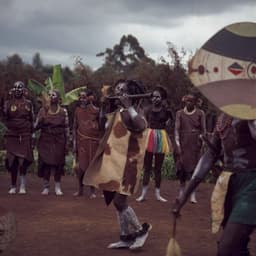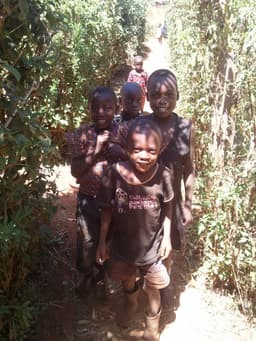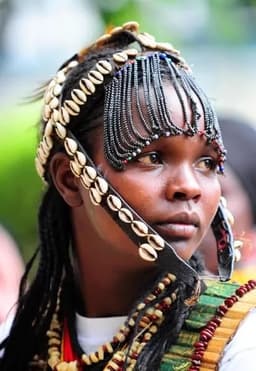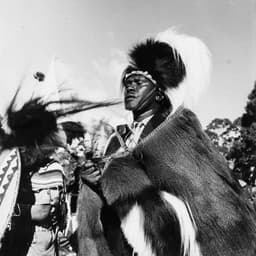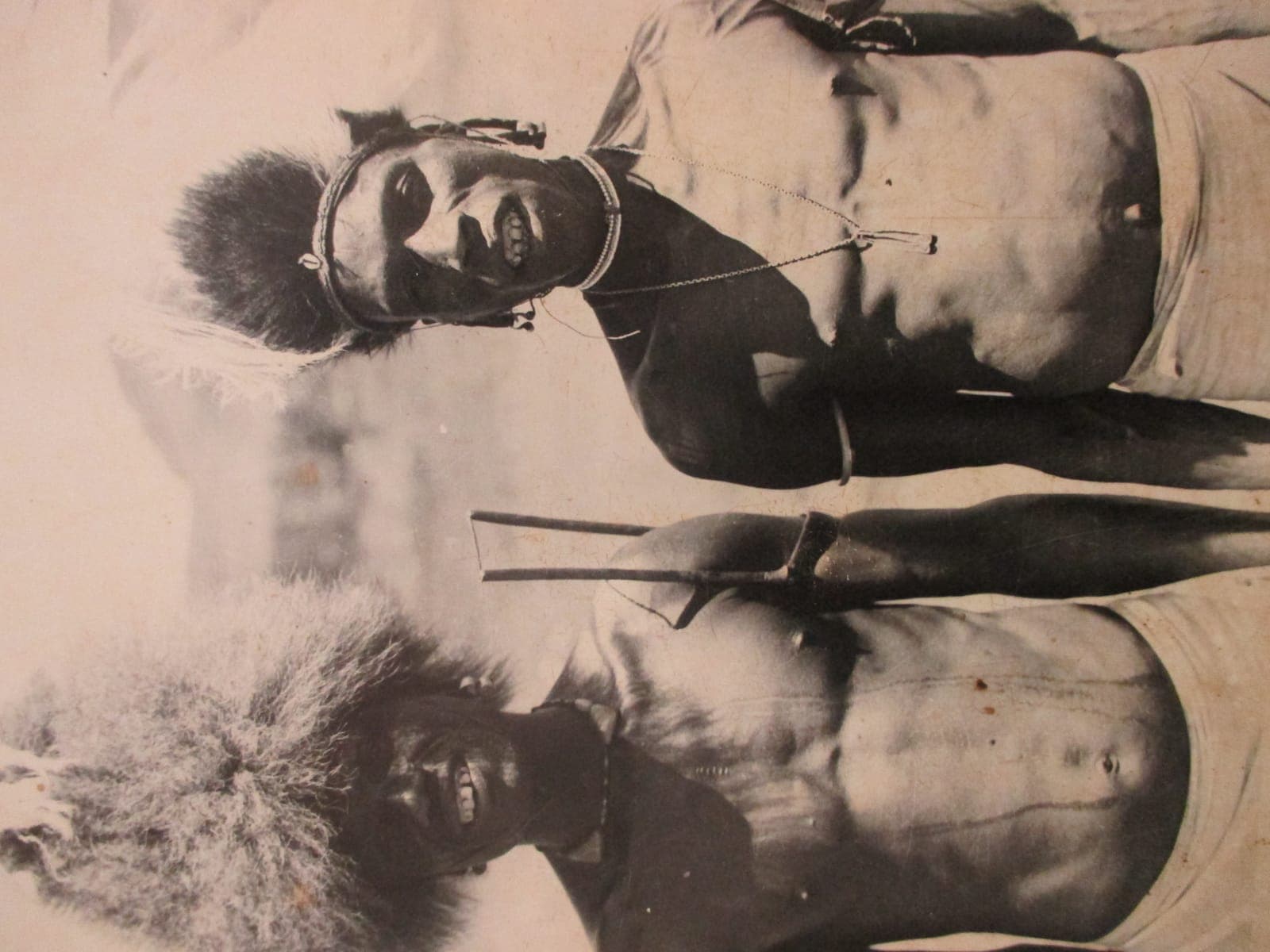
The Chuka and Mbeere are two smaller Bantu communities within the broader Mount Kenya cultural region, each closely related to larger neighbouring communities — the Chuka to the Meru, and the Mbeere to the Embu — while maintaining their own distinct ethnic identities, dialect variations and specific local traditions that mark them as genuinely separate, officially recognised communities rather than simple sub-groups of their larger neighbours.
The Chuka: Meru's southern kin
The Chuka are settled around the town bearing their name on Mount Kenya's southeastern slopes, sharing close linguistic and cultural ties with the Meru while maintaining their own specific traditions and community identity. Chuka territory benefits from Mount Kenya's fertile volcanic soil, supporting tea, coffee and food crop farming similar to the broader Mount Kenya agricultural region, and the community has, like its Meru neighbours, historically organised through age-sets and councils of elders following the wider regional governance pattern.
Chuka town itself has grown into a notable educational centre, home to Chuka University, reflecting the broader Mount Kenya region's strong historical emphasis on formal education as a pathway to economic advancement, a pattern shared across several Mount Kenya Bantu communities.
The Mbeere: Embu's eastern neighbours
The Mbeere are settled in the drier eastern reaches of Embu County, sharing close cultural and linguistic ties with the Embu while occupying a considerably more semi-arid territory than their highland Embu neighbours — a geographic and ecological distinction that has shaped a more drought-adapted Mbeere livelihood pattern, combining livestock keeping with cultivation of drought-resistant crops, broadly similar in adaptive logic to the Tharaka's response to their own drier eastern territory.
Traditional Mbeere spiritual practice includes reverence for specific sacred sites and a strong traditional medicine and healing tradition, with certain families historically specialising in herbal treatments passed down through generations — a body of traditional ecological and medicinal knowledge that reflects generations of adaptation to the community's challenging semi-arid environment.
Shared Mount Kenya cultural threads
Both the Chuka and Mbeere illustrate a broader pattern found across the Mount Kenya Bantu cultural region — including the Kikuyu, Embu, Meru and Tharaka covered elsewhere on this blog — of shared reverence for the mountain itself as the seat of the supreme deity, broadly similar age-set governance structures, and closely related but genuinely distinct languages and specific local traditions across a cluster of communities occupying different elevations and rainfall zones around the mountain's slopes.
Exploring Chuka and Mbeere territory
- Chuka town offers access to both the community's cultural life and its significant role as a regional education centre.
- Mbeere's drier eastern Embu territory offers a genuinely less-visited perspective on the wider Mount Kenya cultural region.
- Local traditional healers and herbalists in Mbeere communities, where appropriate community introduction can be arranged, offer insight into the region's traditional medicine practices.
- Combining Chuka, Mbeere, Embu and Meru exploration offers a fuller picture of the Mount Kenya Bantu cultural region's internal diversity.
The Chuka and Mbeere demonstrate how Kenya's ethnic map resists easy simplification — even within a single broad cultural and geographic region like Mount Kenya's slopes, genuinely distinct communities with their own names, histories and adaptations continue to maintain separate identities alongside their larger, more internationally known neighbours.