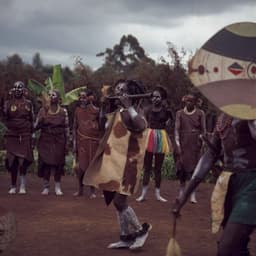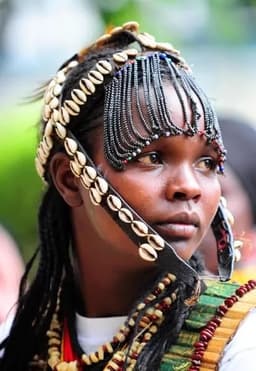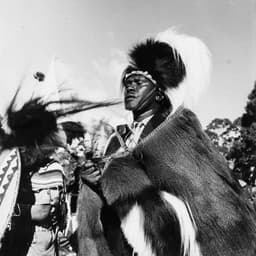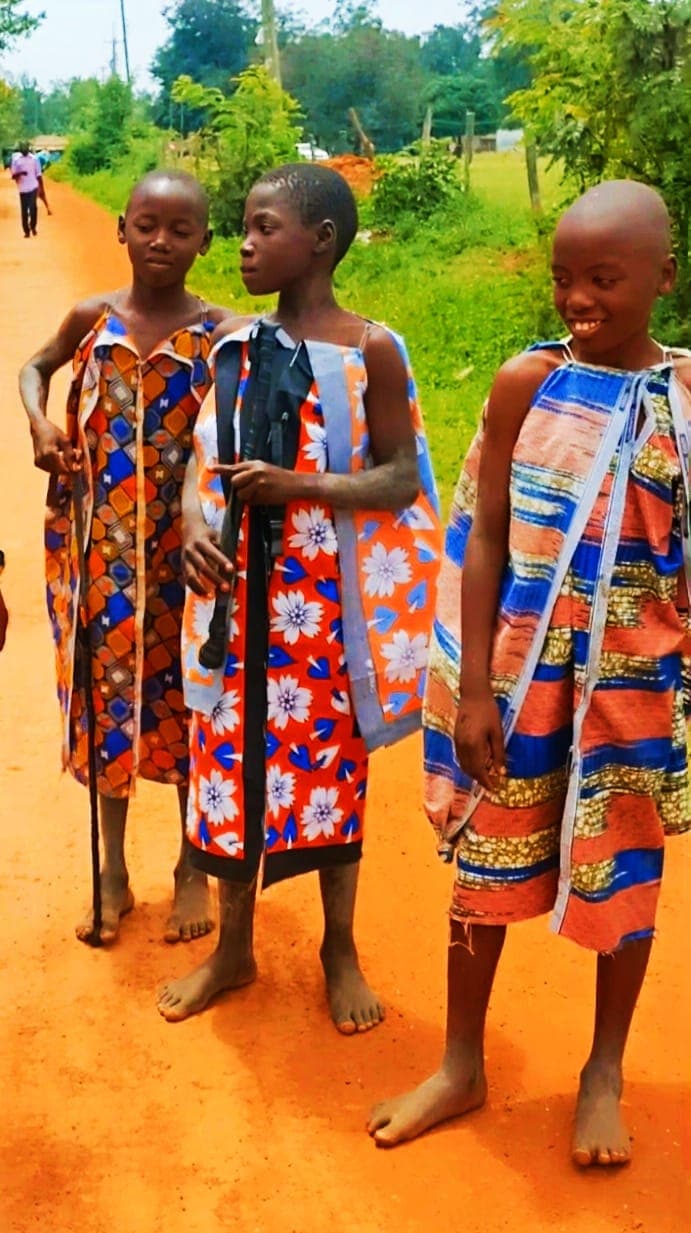
Male circumcision as a formal, ceremonially marked rite of passage into adulthood is practised across a majority of Kenya's ethnic communities — including the Kikuyu, Bukusu and other Luhya sub-groups, Kalenjin sub-groups, Maasai, Samburu, Meru and many others covered individually elsewhere on this blog — while notably absent as a traditional practice among the Luo, a distinction that has historically marked a clear cultural boundary between Nilotic Luo and their circumcising neighbours, and one that has occasionally, unfortunately, featured in Kenyan ethnic stereotyping and political rhetoric.
Across the communities that do practise it, circumcision ceremonies share a broadly consistent underlying function: marking a young person's formal transition from childhood into the responsibilities, privileges and social recognition of adulthood, typically timed around adolescence, and accompanied by preparation, instruction in community values and expectations, and, in many communities, formal entry into an age-set that will structure the individual's subsequent life-stage progression as covered elsewhere on this blog.
Community variation in practice and scale
The specific scale and public character of circumcision ceremonies varies considerably — the Bukusu's biennial mass circumcision events, covered elsewhere on this blog, involve highly public, community-wide celebration with initiates expected to demonstrate composure during the procedure as proof of courage, while other communities practise the rite more privately within individual family and immediate age-mate groups. Regardless of scale, successful completion of the ceremony typically confers significant, sometimes essential, social standing — in several communities, uncircumcised adult men face genuine social stigma and exclusion from full adult community participation, including marriage eligibility.
Female circumcision: evolving practice and legal reform
Female circumcision (more accurately termed female genital cutting/mutilation in medical and human rights literature, given its association with significant health risks and lack of medical benefit) was traditionally practised in several Kenyan communities, including some Kalenjin sub-groups, the Kuria, Maasai and others, historically marking a parallel female coming-of-age rite. Following decades of sustained public health education, community advocacy and legal reform — female genital cutting was formally criminalised in Kenya in 2011 — the practice has declined very significantly nationally, though it persists in some communities and regions, and many communities have developed alternative rite-of-passage ceremonies that preserve the celebratory, community-recognition function of the traditional rite while eliminating the physical procedure itself.
Approaching this topic with appropriate context
- Male circumcision as practised across most Kenyan communities is a celebrated, non-controversial cultural and, in many cases, also medically standard practice.
- Female genital cutting is a genuinely different matter, associated with serious health risks and now illegal in Kenya — understand this distinction clearly rather than conflating the two practices.
- Alternative rite-of-passage programmes, developed in partnership with community elders in several regions, represent a genuinely successful model for preserving cultural celebration while ending harmful physical practice.
- Approach any specific community's circumcision traditions through direct, respectful inquiry with community members rather than generalised assumption.
Circumcision traditions across Kenya illustrate both the deep cultural significance of formally marked life transitions and, in the case of female cutting specifically, a genuinely encouraging example of a harmful traditional practice being actively and substantially reformed through community-engaged advocacy rather than purely external imposition.