The Digo are a Mijikenda sub-group settled along Kenya's southern coast, in the area encompassing Diani, Ukunda and extending toward the Tanzanian border, making them the southernmost of the nine Mijikenda communities and placing them in particularly close and sustained historical contact with the Swahili coastal trading culture and Islamic influence that has shaped the region for centuries.
Unlike some other Mijikenda sub-groups where traditional religion or Christianity hold greater sway, the Digo are predominantly Muslim, having adopted Islam through centuries of close trade and social contact with Swahili coastal communities — a religious identity that coexists with continued Digo participation in the broader Mijikenda cultural framework, including recognition of kaya sacred forest sites and specific traditional customs alongside Islamic practice.
Coastal agriculture and the tourism economy
Traditional Digo livelihoods combine coconut, cashew and cassava farming with fishing along the coastal strip, and the community today sits at the heart of Kenya's most internationally significant beach tourism zone around Diani, covered extensively elsewhere on this blog — meaning Digo communities have experienced some of the most direct and sustained economic transformation from tourism development of any Mijikenda sub-group, for better and for worse, including both significant employment opportunities and land-pressure challenges as coastal property values have risen sharply.
Traditional dance and Swahili cultural blending
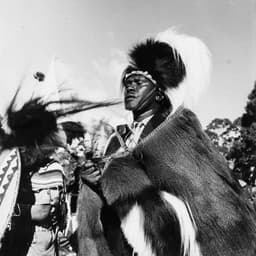
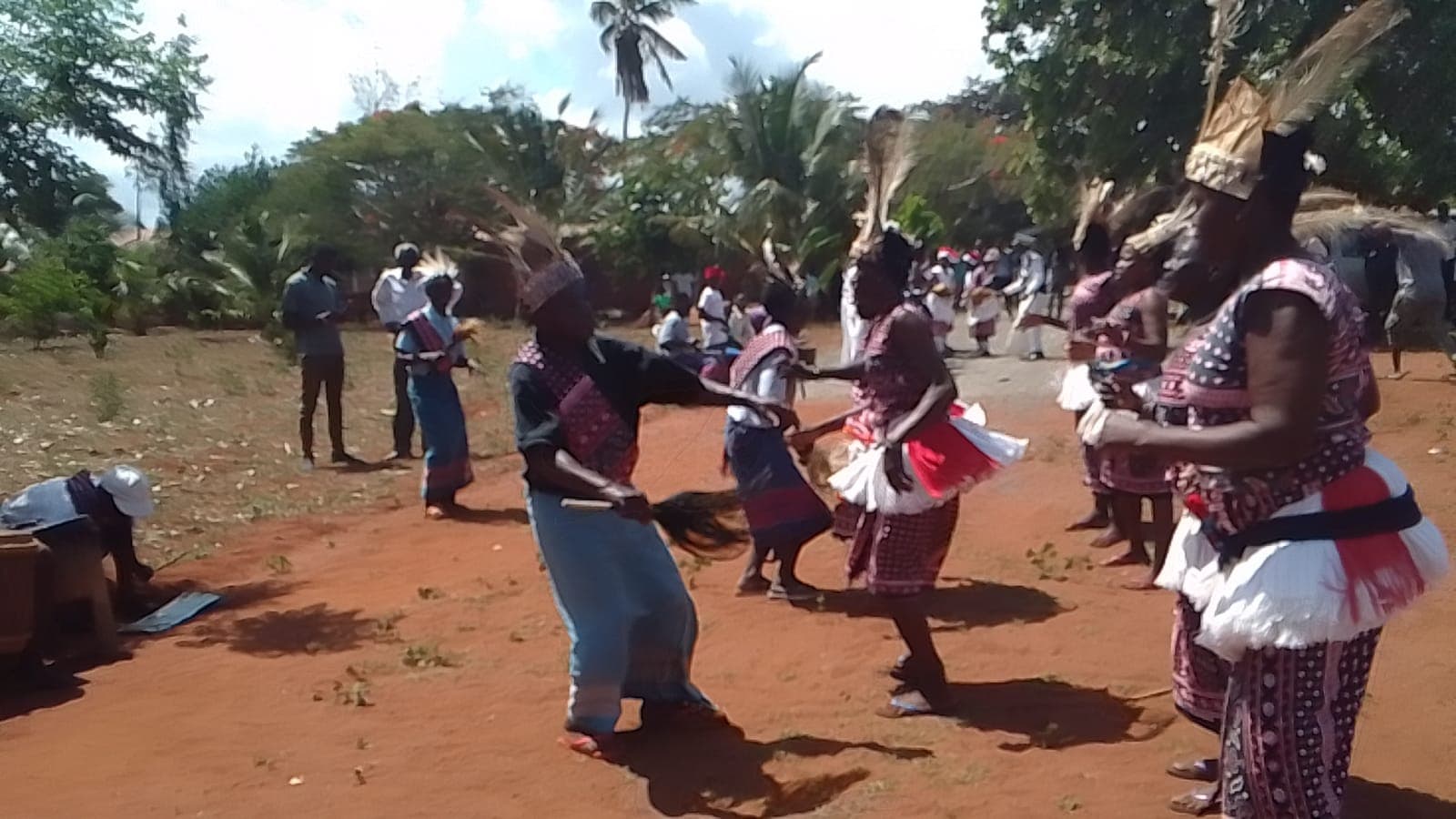
Digo traditional music and dance forms reflect significant blending with broader Swahili coastal cultural influences, including chakacha, a rhythmic dance style covered in this blog's coastal nightlife coverage, that has roots partly in Mijikenda and Digo traditional performance and partly in broader Swahili coastal celebratory music traditions — illustrating the genuinely blended cultural texture of Kenya's southern coast, where Bantu, Arab and broader Swahili influences have intermingled for centuries.
Land, development and community tension
The rapid tourism-driven development of the Diani coastal strip has created significant land-tenure tensions for Digo communities, whose customary land claims have not always aligned neatly with formal title registration processes, leading to ongoing disputes and advocacy around indigenous coastal land rights — a genuinely significant and still-unresolved policy issue affecting Digo and other coastal communities' long-term relationship with the tourism economy their territory sustains.
Exploring Digo culture and coastal heritage
- Diani, covered extensively elsewhere on this blog, sits within traditional Digo territory and offers the most accessible engagement with the community's contemporary tourism-economy relationship.
- Kaya Kinondo, one of the more accessible sacred Mijikenda forests, lies within Digo territory near Diani and welcomes respectful visitors with community guides.
- Chakacha performances at coastal cultural events reflect the blended Digo-Swahili musical heritage of the southern coast.
- Approach coastal land-tenure issues with informed awareness — they represent a genuine, ongoing community concern rather than a settled historical matter.
The Digo's position at the intersection of Mijikenda tradition, Islamic identity and Kenya's most intensive coastal tourism development makes them a particularly instructive community for understanding the complex, ongoing negotiation between cultural heritage and economic transformation on the Kenyan coast.