The Duruma are a Mijikenda sub-group occupying the largest geographic territory among the nine Mijikenda communities, settled across the interior of Kwale County inland from the more heavily developed coastal strip around Diani, extending into a drier, more savannah-like landscape than the immediate coastline. This inland position has historically meant somewhat less direct contact with coastal Swahili trading culture compared to sub-groups like the Digo, allowing certain traditional Mijikenda practices to persist with particular strength among Duruma communities.
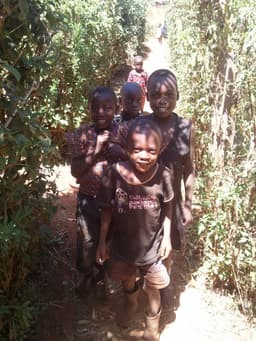
Sharing the broader Mijikenda origin tradition from Shungwaya, the Duruma maintain their own kaya sacred forest sites and specific local governance structures through councils of elders, with traditional livelihood combining subsistence farming — maize, cassava, cowpeas — with livestock keeping better suited to the community's drier inland territory than the more purely coastal farming patterns of some neighbouring Mijikenda sub-groups.
Traditional dance and ceremony
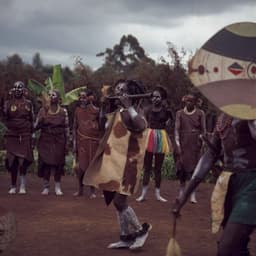
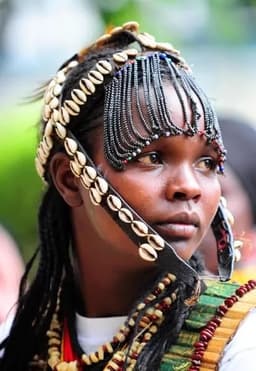
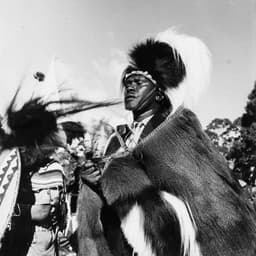
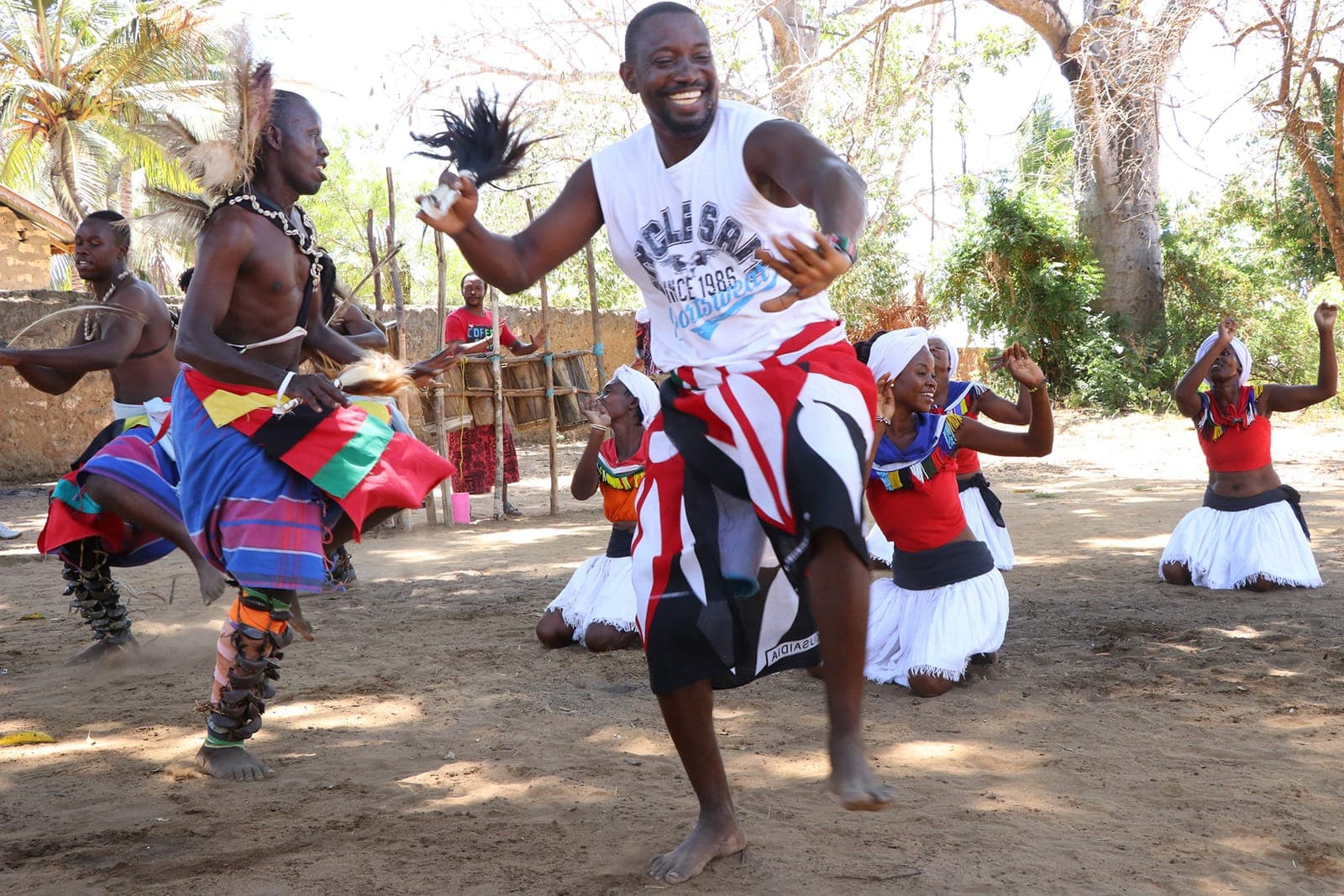
The Duruma maintain a particularly well-documented traditional dance tradition, performed at ceremonies, celebrations and rites of passage, featuring distinctive drumming patterns and communal dance forms that have drawn academic and cultural heritage documentation interest as a relatively well-preserved example of interior Mijikenda performance tradition, compared to some coastal sub-groups' cultural practices that have blended more extensively with broader Swahili influences over recent generations.
Traditional healing and spiritual practice
Duruma traditional spiritual practice, like other Mijikenda sub-groups, centres on ancestor veneration and kaya-mediated ritual authority, alongside traditional healing practices (uganga) that combine herbal medicine with spiritual practice — traditional healers hold significant social standing within Duruma communities, and traditional medicine remains actively practised and consulted alongside modern healthcare access, particularly in the more remote interior areas of the community's territory.
Charcoal, land and economic change
Duruma territory has, in recent decades, become significantly associated with charcoal production for Mombasa and coastal urban markets, an economically important but environmentally contested livelihood that has drawn conservation concern regarding deforestation pressure on the region's woodland resources — an issue that intersects with broader questions about sustainable livelihood options for interior Mijikenda communities with more limited direct access to coastal tourism revenue than their coastline-adjacent neighbours.
Exploring Duruma culture and Kwale's interior
- Kwale County's interior, less visited than the coastal strip, offers a genuinely different perspective on Mijikenda life away from the tourism-dominated coastline.
- Local cultural festivals and community events offer the best access to traditional Duruma dance and ceremonial performance.
- Approach charcoal production and its environmental trade-offs with nuance — it reflects genuine livelihood constraints as much as any simple environmental narrative.
- Combine interior Duruma community visits with coastal Diani or Shimba Hills exploration for a fuller Kwale County itinerary.
As the Mijikenda sub-group with the largest territorial footprint and comparatively less direct coastal tourism exposure, the Duruma offer a valuable window into interior Mijikenda life distinct from the more internationally visible coastal communities.