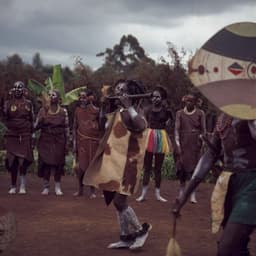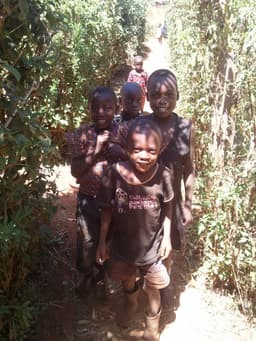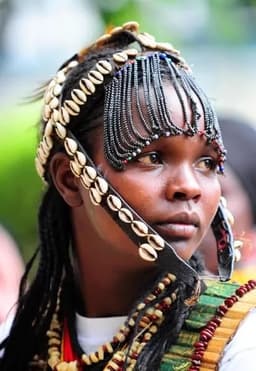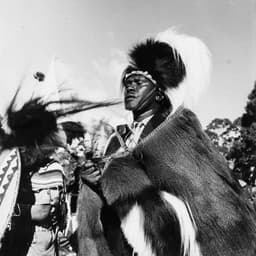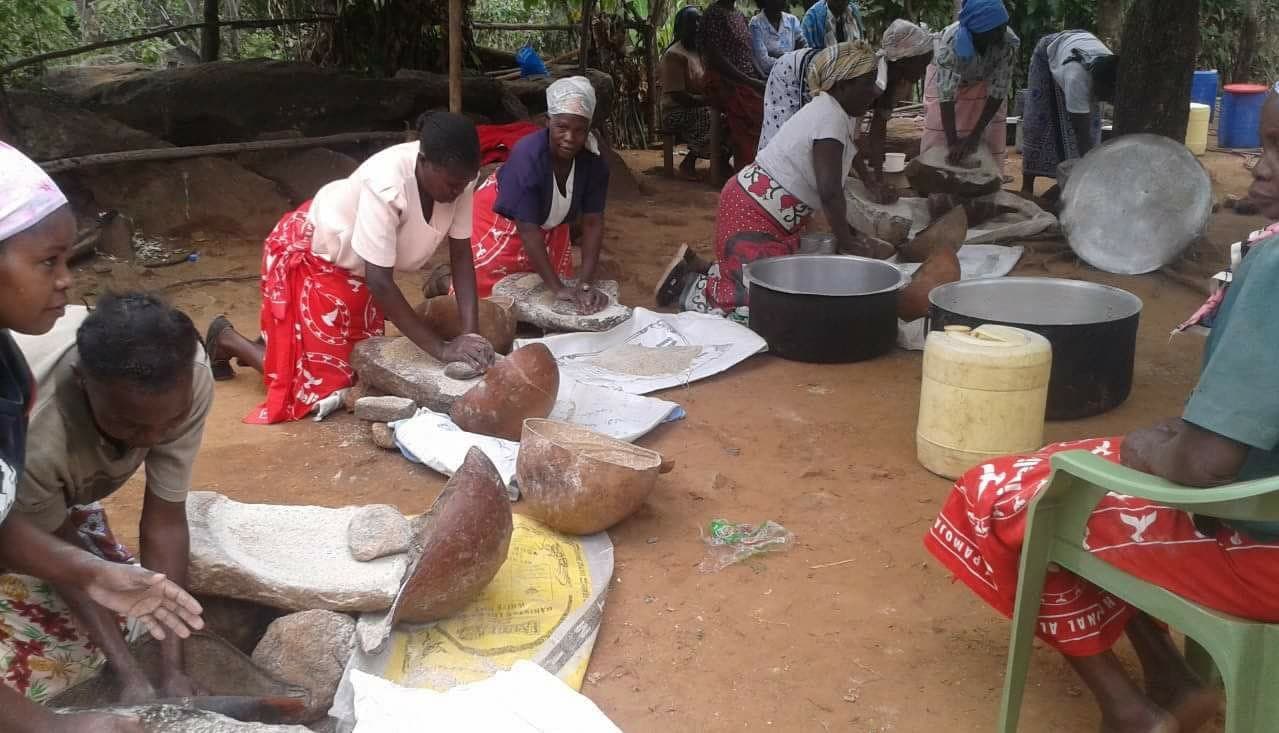
The Embu are a smaller Bantu community settled on the southeastern slopes of Mount Kenya, in present-day Embu County, occupying a geographic and cultural position between their larger Kikuyu and Meru neighbours — sharing broadly similar Mount Kenya-region agricultural traditions, age-set structures and mythological reference points, including reverence for Mount Kenya (Kirinyaga) as the seat of the supreme deity, while maintaining their own distinct language and specific local customs that mark a genuine, separately recognised ethnic identity rather than simply a Kikuyu or Meru sub-group.
Embu oral history, similarly to several neighbouring communities, traces origins to a migration toward Mount Kenya generations ago, with founding ancestral narratives that, while distinct in detail from Kikuyu and Meru accounts, share the broader regional pattern of settlement narratives oriented around the mountain's spiritual significance.
Agriculture and the fertile Mount Kenya slopes
Embu County's fertile volcanic soil and reliable rainfall on Mount Kenya's slopes support intensive smallholder farming of tea, coffee, macadamia and food crops, an agricultural economy closely resembling that of neighbouring Kikuyu and Meru areas, and Embu farmers have historically participated fully in Kenya's colonial-era and post-independence cash crop economy, particularly coffee cooperatives established through the 20th century.
Age-sets, circumcision and traditional governance
Traditional Embu social organisation, like several other Mount Kenya-region communities, structured male progression through age-sets marked by circumcision and subsequent stages of warriorhood and elderhood, with councils of senior elders historically holding authority over land allocation, dispute resolution and ritual matters at the local level — a decentralised governance pattern broadly consistent with the wider Mount Kenya Bantu cultural region rather than a centralised chieftaincy model.
A distinct language amid larger neighbours
The Kiembu language, while related to Gikuyu and Kimeru within the broader Bantu family, remains a distinct language in its own right, and its continued use — alongside Swahili and English — represents a genuine act of cultural preservation for a community whose numbers are considerably smaller than their Kikuyu and Meru neighbours, and who might otherwise risk linguistic assimilation into either larger group.
Exploring Embu culture
- Embu town itself, covered in this blog's nightlife coverage, offers a practical base for engaging with the wider county.
- The Mount Kenya slopes around Embu offer strong hiking and agricultural tourism potential, often overlooked in favour of the more heavily visited Nyeri and Meru approaches to the mountain.
- Local coffee cooperatives in the region welcome visits for those interested in Kenya's smallholder coffee economy.
- Embu cultural festivals and local markets offer a genuine, low-tourist-traffic introduction to the community's specific traditions.
The Embu illustrate a pattern found in several smaller Kenyan communities: a genuinely distinct culture and language maintained with quiet resilience despite sitting geographically and culturally between two much larger, more internationally recognised neighbours.