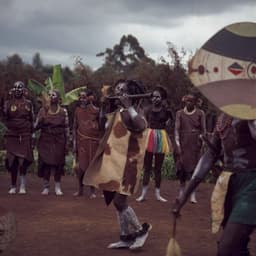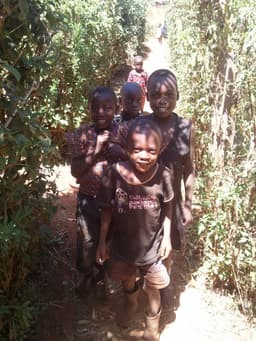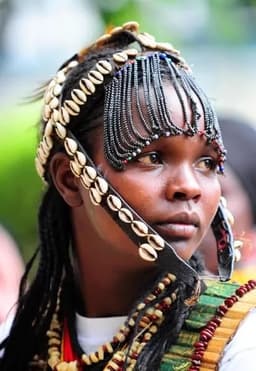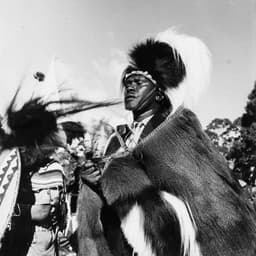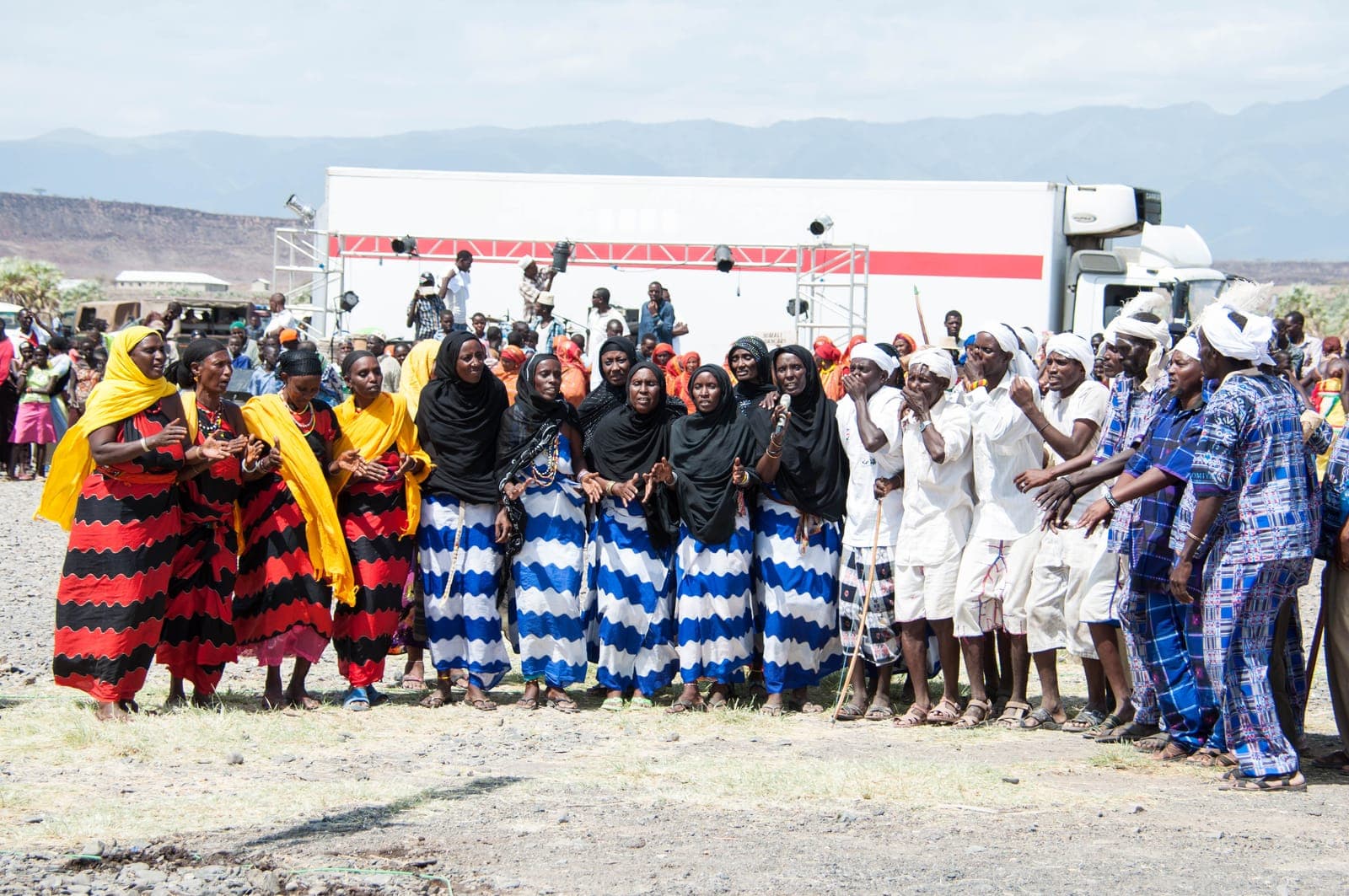
The Gabra are a Cushitic-speaking pastoralist community settled across the Chalbi Desert and surrounding arid terrain of Marsabit County, covered in this blog's coverage of the Chalbi Desert crossing, sharing close cultural and linguistic ties with the Borana and other Oromo-related communities of Kenya's north, while maintaining their own distinct identity as one of the most thoroughly nomadic and desert-adapted communities in the country.
Gabra pastoralism centres heavily on camels, alongside smaller numbers of cattle, goats and sheep, with truly nomadic seasonal movement patterns responding to the extremely scarce and unpredictable rainfall of the Chalbi Desert and surrounding rangeland — among the driest inhabited terrain anywhere in Kenya, requiring a degree of mobility and traditional ecological knowledge comparable to, and in some respects exceeding, that of the neighbouring Rendille.
The portable dome tent (mana)
Reflecting their thoroughly nomadic lifestyle, traditional Gabra homes are lightweight, portable dome-shaped tents (mana) constructed from a wooden frame covered with woven mats and hides, specifically designed to be dismantled, transported by camel, and reassembled quickly as the community relocates in response to grazing and water availability — a genuinely elegant piece of nomadic architecture reflecting generations of adaptation to an environment where permanent settlement is simply not viable for a pastoralist economy.
Age-sets and the yaa ritual centre
Gabra society is organised through an age-set system with ritual authority centred on the yaa, a mobile ritual centre associated with the community's most senior traditional leadership, that moves periodically according to a structured cycle — a ritual and governance institution sharing conceptual similarities with the Borana gadaa system, reflecting the two communities' shared broader Oromo cultural heritage, while maintaining Gabra-specific structures and terminology.
Islamic faith and traditional cosmology
Most Gabra are Muslim, having adopted Islam through historical trade contact across the Horn of Africa, though traditional Oromo-derived cosmological beliefs, including reverence for Waaqa, persist in blended form alongside Islamic practice for many Gabra communities, similar to patterns found among the Borana and other related Cushitic groups in the region.
Exploring Gabra culture in the Chalbi region
- The Chalbi Desert crossing, covered elsewhere on this blog, passes through core Gabra territory and offers a genuine sense of the extreme environment the community has adapted to.
- Marsabit town serves as the practical gateway for engaging with the wider Gabra and broader northern Kenya cultural region.
- Traditional Gabra dome tents, where encountered respectfully through local guide arrangement, offer a striking example of nomadic architectural adaptation.
- This is genuinely remote, demanding travel territory — proper 4x4 preparation and experienced local guidance are essential for any visit.
The Gabra's fully nomadic, portable-homestead adaptation to the Chalbi Desert represents one of the most extreme and ecologically sophisticated pastoralist lifestyles found anywhere in Kenya, built around a level of mobility that leaves virtually no permanent physical footprint on the desert landscape.