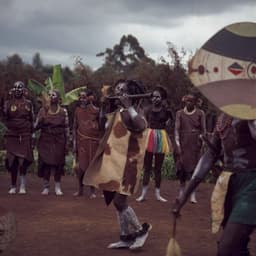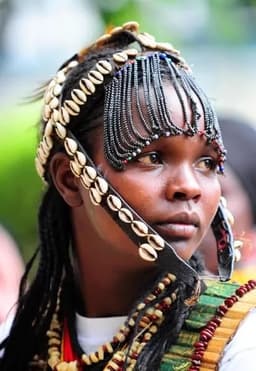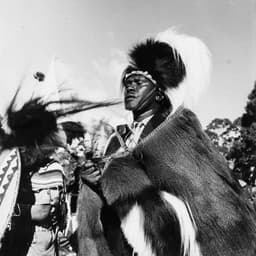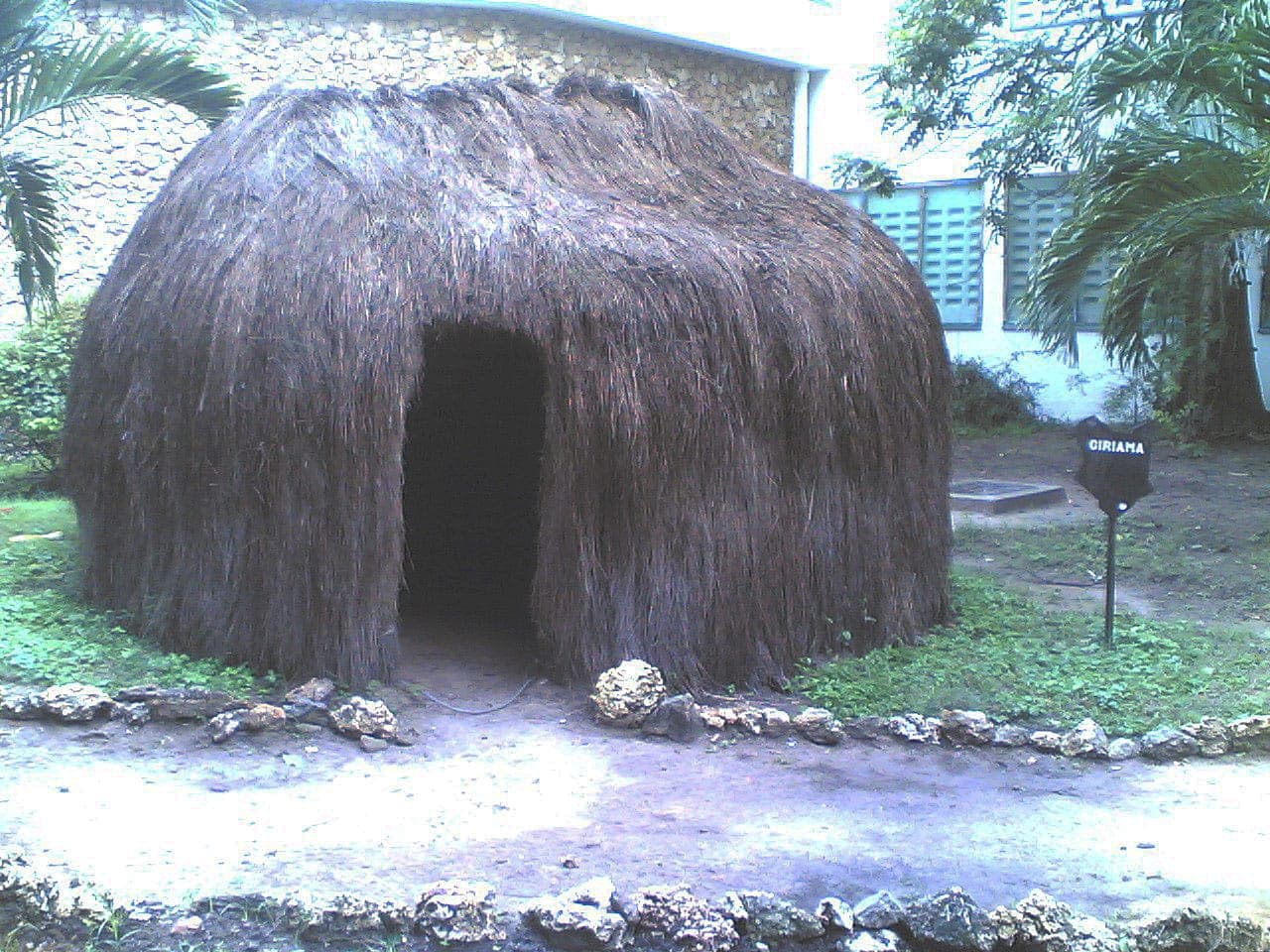
The Giriama are the largest of the nine Mijikenda sub-groups covered elsewhere on this blog, settled predominantly across Kilifi County in Kenya's coastal hinterland, an area of savannah and coastal scrub inland from Malindi and Watamu. Sharing the broader Mijikenda migration tradition from the ancestral Shungwaya homeland, the Giriama maintain their own kaya sacred forest sites and specific local customs within the wider Mijikenda cultural family.
The Giriama hold particular national historical significance for their sustained early 20th-century resistance to British colonial hut taxes and forced labour demands, led by Mekatilili wa Menza, an elder woman whose oratory and organisational leadership mobilised widespread Giriama defiance of colonial authorities between 1913 and 1920, including refusal to pay imposed taxes and resistance to forced labour recruitment. Mekatilili was arrested and exiled multiple times by colonial authorities but continued organising resistance upon each return, and her leadership remains celebrated today as one of Kenya's most significant anti-colonial resistance movements, commemorated through a national public holiday (Mashujaa Day activities) and a prominent monument.
Traditional belief and the kifudu dance
Traditional Giriama spiritual practice centres on ancestor veneration mediated through kaya elders, alongside belief in spirits associated with specific natural features and the broader Mijikenda cosmology. The kifudu, a traditional funeral dance performed to honour the deceased and guide spirits appropriately, remains an important Giriama cultural practice, alongside broader traditional music and dance forms shared with other Mijikenda sub-groups.
Cashew, coconut and coastal agriculture
Giriama livelihoods traditionally combine subsistence farming with cash crops well suited to the coastal climate — cashew nuts, coconuts, mangoes and cassava — supplemented in recent decades by significant participation in the coastal tourism economy around nearby Malindi and Watamu, both covered elsewhere on this blog.
Witchcraft, healing and modern tension
Traditional Giriama belief includes recognition of witchcraft (uganga, referring both to healing and, in its negative form, malicious sorcery) and traditional healers who mediate between the spiritual and physical worlds — a belief system that persists in various forms alongside Christianity and Islam along the coast, and that has, at various points historically, contributed to social tensions including occasional accusations and, in extreme historical cases, violence tied to witchcraft suspicion, a genuinely sensitive topic requiring careful, non-sensationalised understanding.
Exploring Giriama history and culture
- Malindi and its surrounding hinterland, covered elsewhere on this blog, offer strong access to Giriama cultural life and historical sites connected to Mekatilili wa Menza.
- Kaya sacred forests within Giriama territory should always be visited with proper community guide arrangement and respect for active ritual use.
- The Mekatilili wa Menza legacy is increasingly incorporated into Kenyan school curricula and national heritage sites — worth seeking out for genuine historical depth.
- Giriama cuisine, including coconut-based dishes and cassava preparations, reflects the community's coastal agricultural adaptation.
The Giriama's sustained, women-led resistance to colonial taxation stands as one of the most significant and, outside Kenya, still under-recognised episodes of organised anti-colonial resistance anywhere in East Africa.