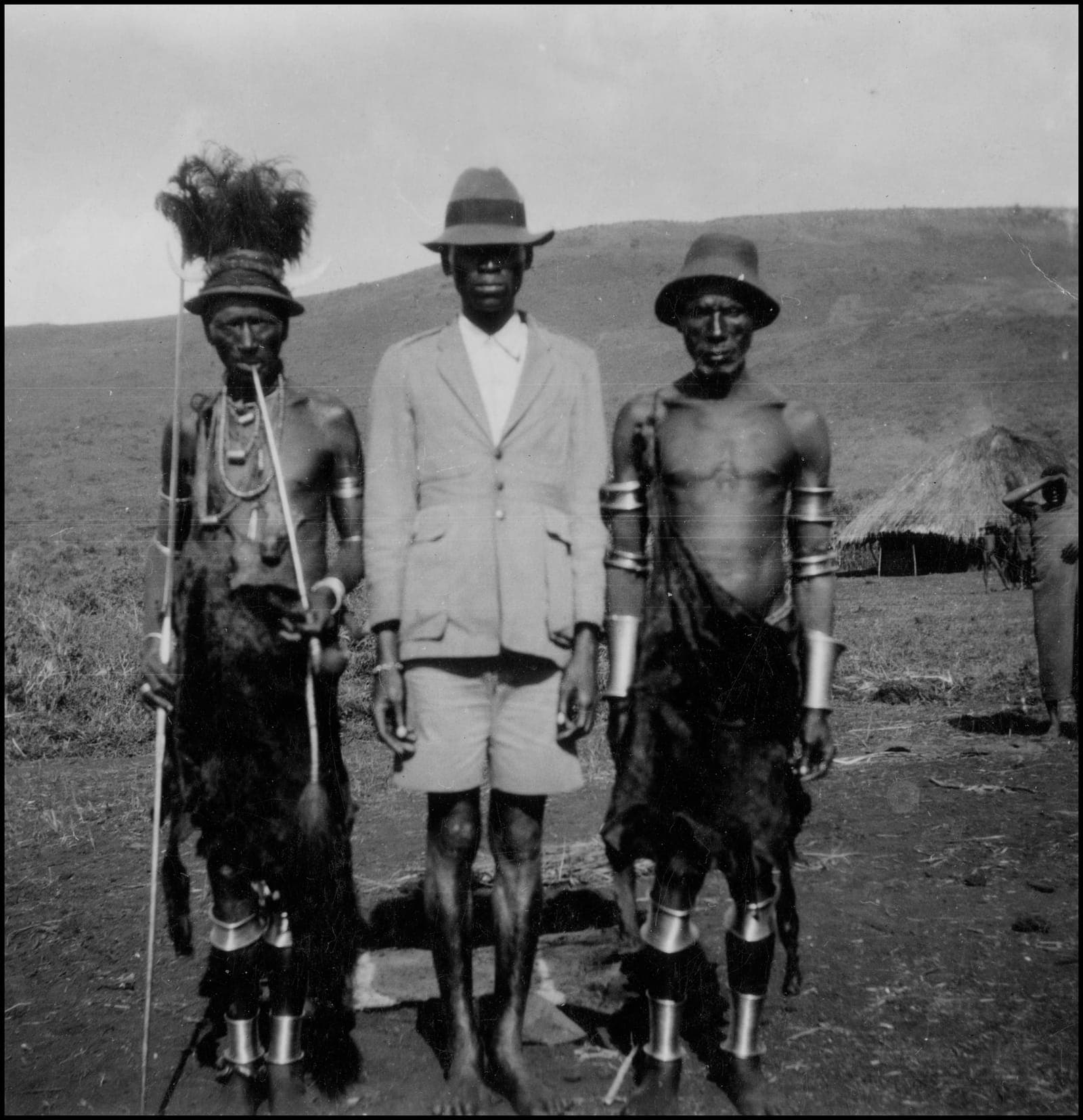
The Gusii (commonly known by the town name Kisii, though Gusii is the community's own name for itself) are a Bantu community settled in the fertile, densely populated highlands of southwestern Kenya around Kisii and Nyamira counties, an area of unusually high rainfall and rich volcanic soil that has made it one of the most agriculturally intensive and densely populated regions in the country, historically supporting some of Kenya's highest rural population densities on smallholder plots growing tea, coffee, bananas and finger millet.
Gusii oral tradition traces the community's origins to a migration from the area around Mount Elgon, arriving in their current highland homeland several centuries ago after a period of movement partly driven by conflict with neighbouring communities during the region's tumultuous pre-colonial migrations.
The soapstone tradition
The Gusii region sits atop a rare deposit of soft soapstone found in commercially significant quantities almost nowhere else in Kenya, and generations of Kisii carvers have built an entire craft industry — covered in more detail elsewhere on this blog — around shaping it into bowls, chess sets, animal figures and abstract sculpture sold across the country and exported internationally. The stone's workability, soft enough to carve with simple hand tools yet durable when finished, has allowed a genuinely distinctive artistic tradition to develop, often passed down through families across generations.
Clan structure and traditional medicine
Traditional Gusii society organised around patrilineal clans with strong local council structures for dispute resolution, and the community has a particularly well-documented tradition of herbal and traditional medicine, with certain families historically specialising in specific treatments passed down through generations — a body of ethnobotanical knowledge that has attracted academic research interest given the region's exceptional plant biodiversity.
Circumcision, dance and Christianity
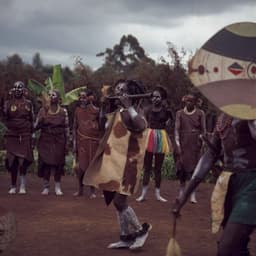
Male circumcision historically marked the passage into adulthood, accompanied by instruction in community responsibilities and expectations, while the Gusii also developed distinctive traditional dance and drumming forms performed at community celebrations. Christianity, introduced through early 20th-century missionary activity, took particularly strong root in the Gusii highlands, and the region today has some of the highest rates of church attendance and religious institutional density in Kenya, existing alongside — sometimes in tension with, sometimes blended with — older traditional practices.
Exploring Gusii culture
- Kisii town and its surrounding soapstone workshops, covered elsewhere on this blog, offer the most direct access to the community's signature craft tradition.
- The densely terraced, intensively farmed highland landscape itself is worth appreciating as a genuine agricultural achievement, sustaining very high population densities on relatively small landholdings.
- Local markets in Kisii and Nyamira offer a good introduction to Gusii cuisine and daily commercial life.
- Buying soapstone directly from Kisii carving cooperatives, rather than resold through distant curio shops, more directly supports the originating artisans.
The Gusii highlands' combination of exceptional agricultural intensity and a genuinely unique craft tradition make the region one of Kenya's most distinctive, if sometimes overlooked, cultural and economic landscapes.