Christianity's spread across Kenya from the 19th century onward, introduced through European missionary activity covered in this blog's Rabai coverage among other posts, did not simply replace existing traditional religious practice wholesale, but instead produced, across many communities, genuinely distinctive local adaptations — including entirely African-led independent church movements, syncretic blending of Christian and traditional ritual elements, and specifically Kenyan theological and liturgical innovations that mark the country's Christian practice as meaningfully distinct from a simple transplant of European or American church models.
African independent churches
Kenya has produced numerous independent, African-founded and African-led Christian denominations since the early 20th century, several emerging specifically from tensions with colonial-era mission churches over issues including polygamy, traditional dress and cultural practice restrictions that missionary churches had imposed — these independent churches often incorporated elements of traditional community practice, including specific music styles, healing ritual and communal structures, into a distinctly African Christian theological framework.
Blending traditional and Christian practice
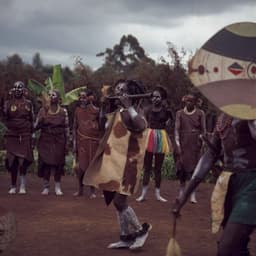
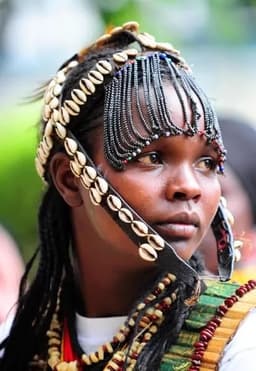
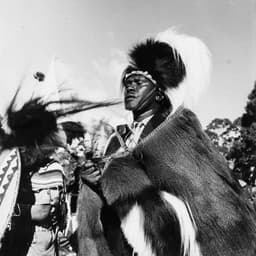
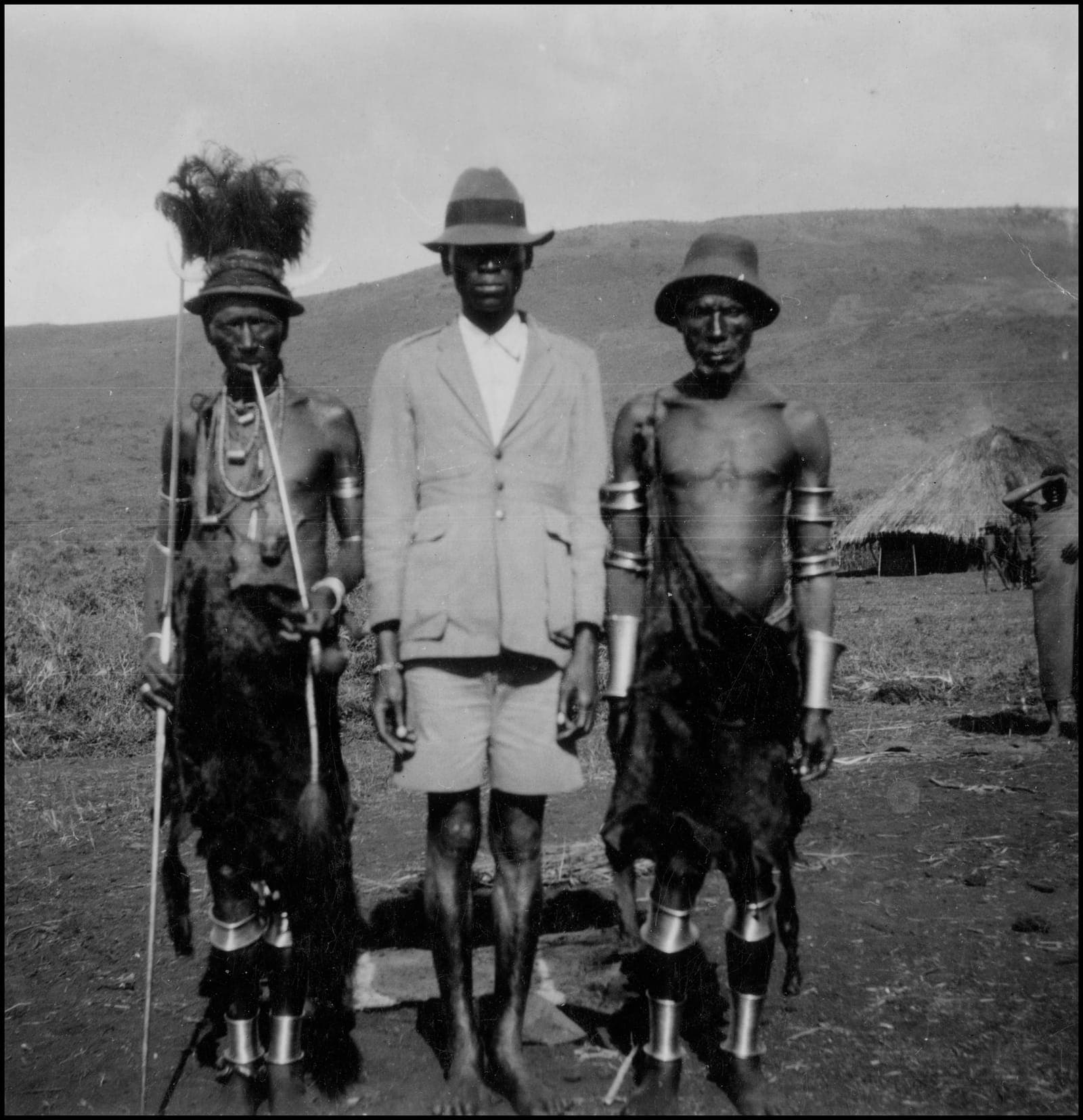
Across many communities, elements of traditional belief and practice have persisted alongside Christian faith in genuinely blended forms rather than pure replacement — reverence for Mount Kenya among Kikuyu and related Bantu Christian communities, covered elsewhere on this blog, and continued, if modified, traditional funeral and naming customs practised alongside Christian religious observance across numerous communities, illustrate this pattern of genuine religious synthesis rather than simple substitution.
Pentecostalism and Kenya's contemporary religious landscape
In recent decades, Pentecostal and charismatic Christianity has grown dramatically across Kenya, producing large, dynamic urban megachurches particularly prominent in Nairobi, alongside continued strength of established mainline denominations (Catholic, Anglican, Presbyterian and others) with deep historical roots dating to the original missionary period.
Understanding Kenya's Christian landscape
- Kenya's Christian practice reflects genuine local adaptation and innovation, not simply an imported European or American religious model.
- Independent African churches represent historically significant institutions in their own right, not merely derivative offshoots of mission churches.
- Sunday church attendance remains a genuinely significant part of social life across much of Kenya — worth understanding as a core part of national culture, not merely private religious practice.
- Approach the blending of traditional and Christian practice as a coherent, meaningful synthesis rather than an inconsistency to be resolved.
Christianity's genuinely adapted, locally reshaped presence across Kenya offers an instructive case study in how introduced religions can be actively reshaped by the communities that adopt them, rather than simply displacing what came before.