Most travellers speed past Kariandusi on the highway between Naivasha and Nakuru without knowing it's there — a small museum and open-air excavation site that happens to hold one of the most important prehistoric records in East Africa. First excavated in the 1920s by Louis Leakey, the site has yielded Acheulian hand axes and cleavers estimated at over 400,000 years old, some left in situ exactly where they were unearthed.
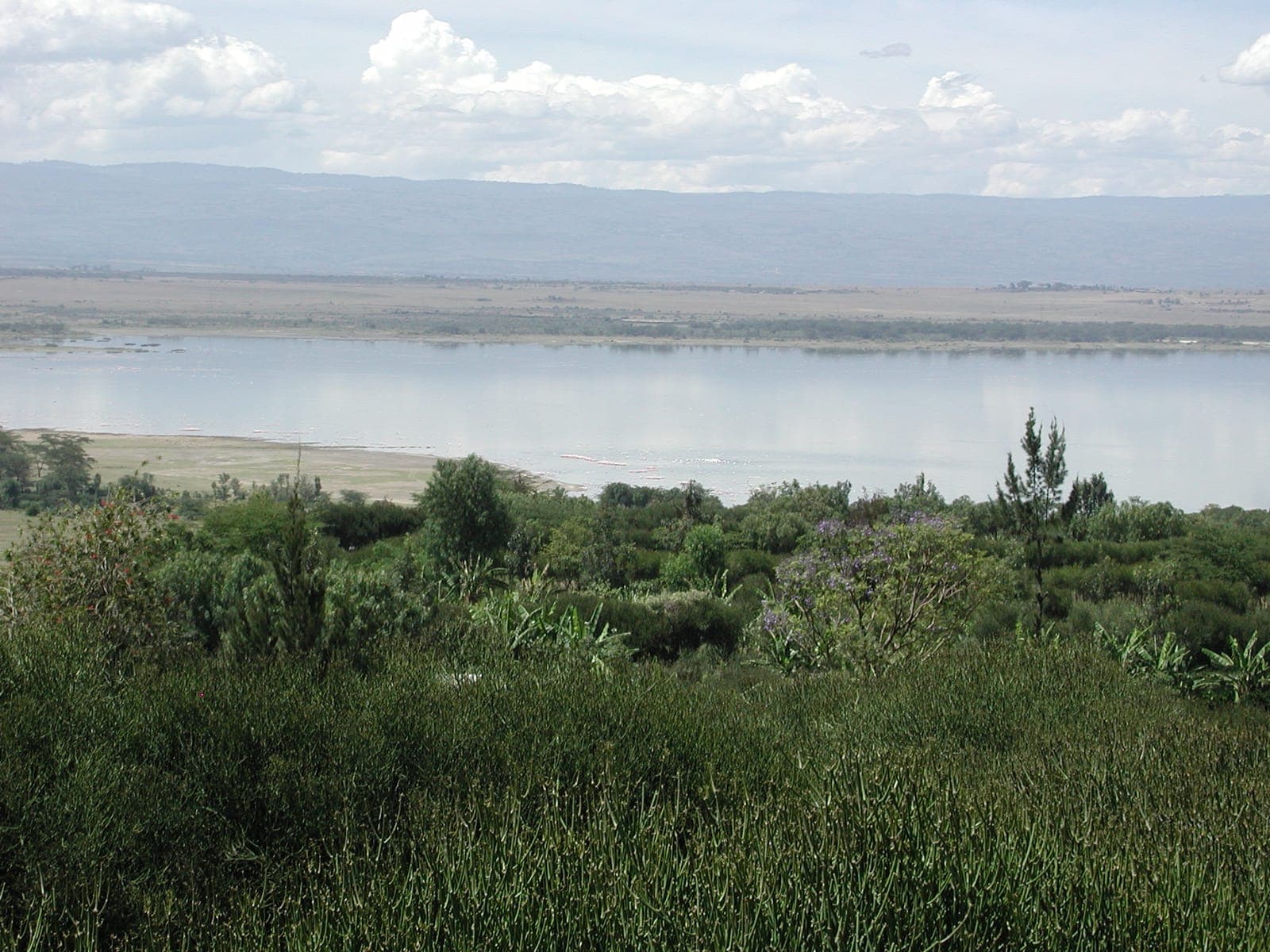
The setting is part of what makes it worthwhile: Kariandusi sits on the edge of the Rift Valley's ancient lake sediments, and the museum's small collection is paired with a short walk out to the actual dig site, where stone tools are visible embedded in the exposed earth layers behind protective railings. It's a hands-on, unpolished kind of history — closer to an active archaeological site than a curated exhibition.
Why it's worth the detour
- A rare chance to see genuine Stone Age tools in their original excavation context, not behind glass.
- Guides on site can explain the region's significance in the story of early human tool-making.
- It takes well under an hour and sits directly on the main Naivasha–Nakuru route, so it costs almost nothing extra to visit.
Pair it with a night at one of Elementaita's lakeside camps for a day that mixes deep history with soda-lake scenery — an easy, underrated addition to a Rift Valley road trip.