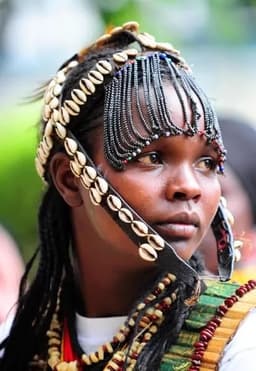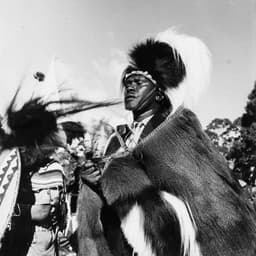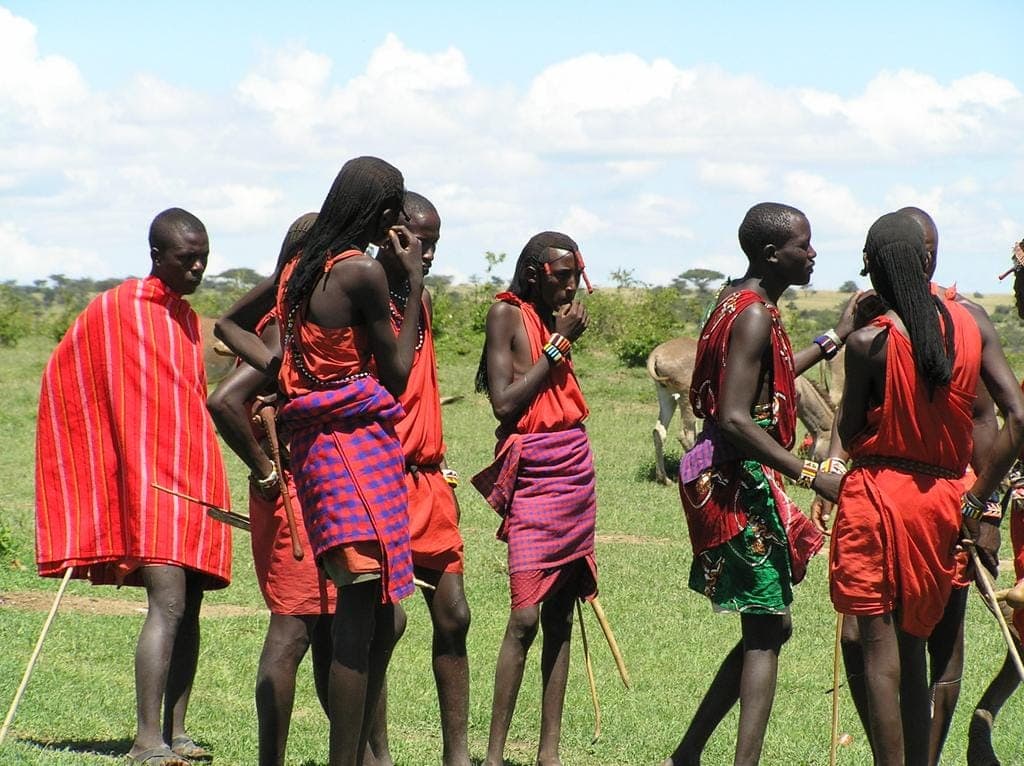
Across a striking number of Kenya's ethnic communities — the Maasai, Samburu, Kalenjin sub-groups, Kikuyu, Meru, Turkana, Borana and others, all covered individually elsewhere on this blog — social organisation is structured not primarily through hereditary chieftaincy, but through age-set systems: formal cohorts of same-generation individuals, typically male, who move together through a fixed sequence of life stages, each carrying specific social responsibilities, ritual obligations and privileges, bound by lifelong mutual loyalty to their age-mates.
While the specific terminology, ceremony details and number of stages vary considerably between communities, the underlying logic is remarkably consistent: initiation (typically through circumcision) marks entry into a formal age-set at a relatively young age; a subsequent period, often extending many years, involves warriorhood or junior-adult status carrying defence, herding or community-service responsibilities; and eventual transition into elderhood confers increasing ritual authority, decision-making power and social respect, culminating for the most senior age-sets in the community's highest traditional governance and judicial roles.
Distributed authority without centralised chieftaincy
Age-set systems historically allowed many Kenyan communities to maintain functioning, broadly accountable governance — land allocation, dispute resolution, defence coordination — without the centralised chieftaincy or kingship structures found in some neighbouring African societies (the Wanga Kingdom, covered elsewhere on this blog, being a notable Kenyan exception). Authority under an age-set system is distributed across councils of elders drawn from senior age-sets, with decisions typically requiring consensus-building rather than unilateral command — a genuinely democratic, if gerontocratic, model of traditional governance that political scientists studying the Borana gadaa system in particular have compared favourably to more centralised alternatives in terms of internal accountability.
Generational succession and the ituika
Some age-set systems, most notably the Kikuyu ituika, formalised not just individual progression through life stages but periodic, structured transfer of overall generational political authority from one entire generation to the next — a built-in mechanism for peaceful power transition that operated on a roughly 25-30 year cycle, ensuring no single generation retained indefinite control over community governance.
Modern adaptation and continued relevance
While formal age-set political authority has, in most communities, been significantly supplanted by modern county and national government structures, elements persist as genuinely functioning institutions today — the Meru Njuri Ncheke and Borana gadaa system, both covered in depth in their respective community profiles on this blog, remain active alongside, not merely as historical memory within, contemporary Kenyan governance.
Understanding age-set systems as a visitor
- Recognise that "elder" in these systems refers to earned, structured social status through age-set progression, not simply advanced chronological age.
- Circumcision ceremonies across many communities mark the specific, celebrated entry point into this broader age-set life journey — approach them with that structural context in mind.
- Local guides from age-set-organised communities can often explain their own specific system's stages and terminology in genuinely illuminating detail.
- Avoid assuming all Kenyan communities share an identical age-set structure — the specific mechanics vary meaningfully between, say, Maasai moranhood and Kikuyu ituika cycles.
Understanding age-set systems as a genuine, functioning form of traditional governance — rather than simply colourful ceremony — unlocks much deeper insight into how many of Kenya's communities have organised social authority and obligation for generations.