The Kipsigis are the largest single Kalenjin sub-group by population, settled predominantly across Kericho and Bomet counties in Kenya's southern Rift Valley highlands — the same region covered in this blog's coverage of Kenya's tea country, where Kipsigis smallholder farmers and estate labourers form the backbone of one of the world's most significant tea-growing economies.
Traditional Kipsigis society, like other Kalenjin sub-groups, organised through an age-set system and cattle-centred economy, with councils of elders (kokwet, referring to both the local neighbourhood unit and its governing assembly) handling land, dispute and ritual matters at the community level, operating without the more centralised Orkoiyot leadership structure found among their Nandi neighbours.
Tea, land and the colonial economy
Kericho's cool, well-watered highland climate proved ideal for tea cultivation, and British colonial authorities established some of East Africa's largest tea estates in Kipsigis territory during the early 20th century, fundamentally reshaping the local economy and land tenure patterns — much of the land under large estate tea cultivation today traces directly to colonial-era alienation from Kipsigis communities, a history that, as in Nandi County, remains a live topic in local land politics even as the tea industry now provides substantial local employment.
Circumcision, dance and marriage customs
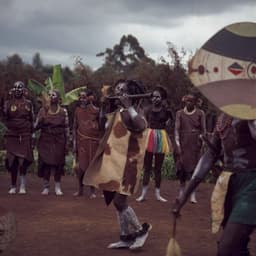
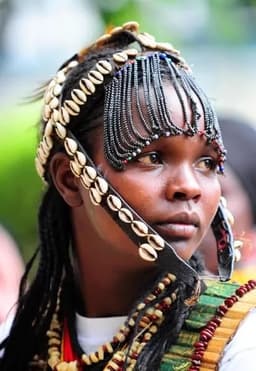
Traditional Kipsigis circumcision ceremonies mark the passage into adulthood for both young men and women, historically including an extended period of seclusion and instruction from elders before the young initiates rejoin the community with new social status and responsibilities. Traditional dance and song accompany major ceremonies, and marriage traditionally involved substantial bridewealth negotiations in cattle between families, cementing broader kin alliances beyond the individual couple.
The running legacy
Alongside the Nandi, the Kipsigis have produced an extraordinary concentration of world and Olympic champion distance runners relative to their population — a significant share of Kenya's most celebrated athletes historically trace Kipsigis heritage, reinforcing Kericho and Bomet's place, alongside Eldoret and Iten, at the heart of Kenya's globally dominant distance-running culture.
Exploring Kipsigis culture and tea country
- Kericho town and its surrounding tea estates, covered in depth elsewhere on this blog, offer the most direct access to Kipsigis cultural and economic life.
- Bomet, covered in this blog's nightlife coverage, sits at the heart of the Kipsigis cultural heartland alongside Kericho.
- Local tea factory tours frequently employ and are guided by Kipsigis staff who can speak directly to the community's relationship with the industry.
- Approach colonial-era land alienation history with appropriate context — it remains a genuinely significant and sometimes still-contested regional issue.
As Kenya's largest Kalenjin sub-group and the community most closely identified with the country's tea industry, the Kipsigis occupy a uniquely central place in both Kenya's agricultural economy and its global athletic reputation.