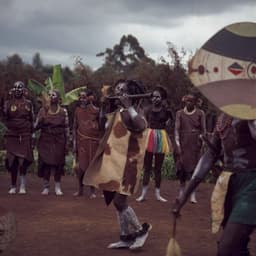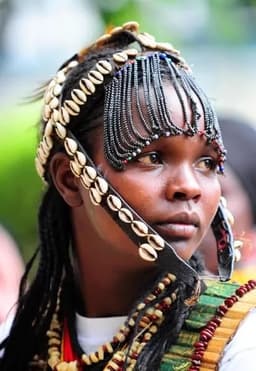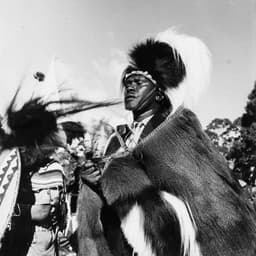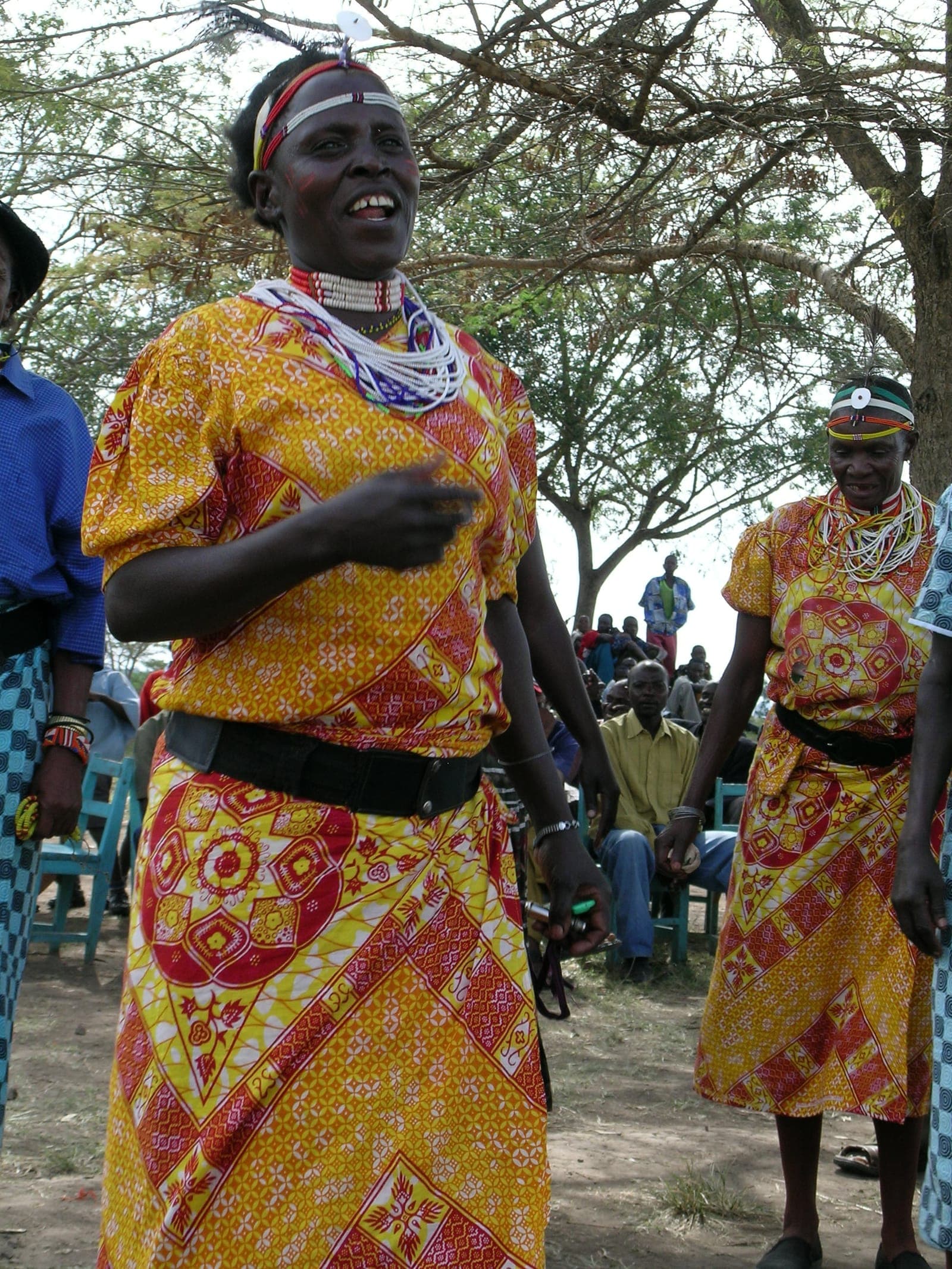
The Kuria are a Bantu community settled around Migori County in southwestern Kenya near Lake Victoria, with a substantial related Kuria population also living across the border in northern Tanzania — another of several Kenyan communities whose traditional territory was split by the colonial-era international boundary, leaving close kin groups formally divided between two nations while maintaining continued cross-border social and cultural ties.
Kuria society traditionally centres heavily on cattle wealth, historically tied to a well-documented tradition of cattle raiding between Kuria clans and against neighbouring communities, a practice that, while significantly diminished through modern law enforcement and changing economic patterns, remains part of the community's historical identity and occasionally resurfaces in localised disputes over grazing land and livestock theft even today.
The esaro (esaru) circumcision tradition
The Kuria maintain one of Kenya's most elaborate and closely observed traditional circumcision ceremonies for both young men and women, held periodically (traditionally in specific designated years) and involving extended preparation, ritual instruction and community celebration marking the initiates' passage into adulthood. Female circumcision among the Kuria has drawn particular attention from Kenyan and international public health and human rights organisations given its historical prevalence and associated health risks, and the practice has been the focus of sustained legal reform efforts and community-based alternative rite-of-passage programmes over the past two decades — a genuinely contested and evolving area of the community's traditional practice.
Clan structure and age-sets
Traditional Kuria society organises through patrilineal clans and a structured age-set system governing progression from initiation through warriorhood and into elderhood, with councils of senior elders (inchama) historically holding authority over major community decisions, dispute resolution and, significantly, oversight of cattle-related disputes between clans.
Dance, music and cross-border identity
Kuria traditional music and dance, performed at circumcision ceremonies and other major community events, features distinctive drumming and call-and-response singing styles, and the community's shared cultural calendar and kinship ties across the Kenya-Tanzania border have historically supported significant cross-border social exchange, trade and, at times, complicated cross-border security dynamics tied to cattle raiding and disputes.
Exploring Kuria culture
- Migori town, covered in this blog's nightlife coverage, offers a practical base for engaging with the wider Kuria cultural region.
- Engage with discussion of circumcision practices, particularly female circumcision, through informed, respectful channels — this remains a genuinely sensitive and actively evolving area of community practice and policy.
- Local cultural festivals and community events offer the most appropriate access to Kuria music and dance traditions.
- The Kenya-Tanzania border area near Migori reflects a genuinely binational cultural landscape worth understanding in that cross-border context.
The Kuria's cattle-centred culture and closely observed initiation traditions offer a window into a community actively negotiating the balance between preserving deep-rooted custom and responding to modern health, legal and human rights considerations.