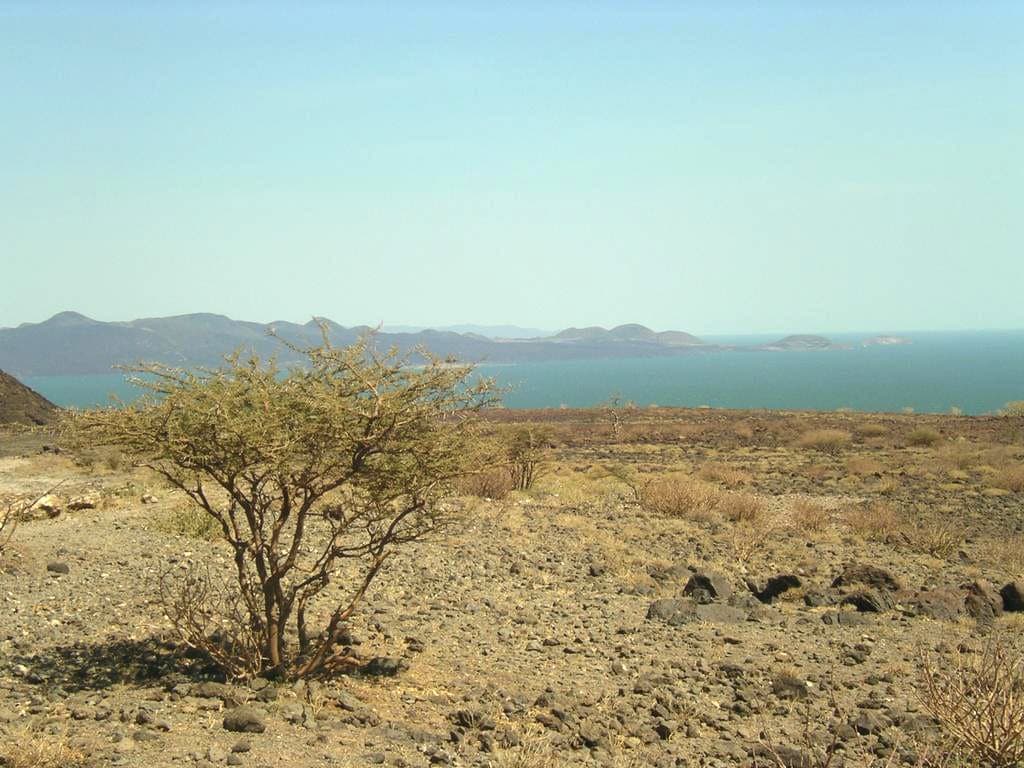
Lake Turkana, in Kenya's remote far north, is the world's largest permanent desert lake and, thanks to its striking green-tinted water, is often called the Jade Sea. Its remoteness — far from any major city, reached over long stretches of rough road — has kept it one of the least-visited major destinations in Kenya, and one of the most extraordinary.
The lake's real global significance lies in palaeoanthropology: the surrounding basin, particularly Koobi Fora on the eastern shore, has yielded some of the most important hominid fossil discoveries in the world, work led over decades by the Leakey family and others that has fundamentally shaped scientific understanding of human evolution. This concentration of discoveries earned the wider area recognition as a UNESCO World Heritage Site under the name Lake Turkana National Parks.
What makes Turkana worth the journey
- Genuinely remote, dramatic desert-lake scenery unlike anywhere else in Kenya.
- Deep palaeoanthropological significance, with museums and interpretive sites explaining major fossil finds.
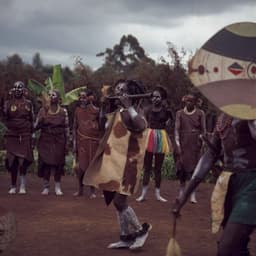
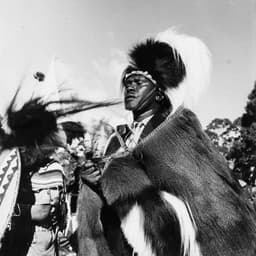
- Distinct local cultures, including the Turkana and El Molo peoples, whose ways of life are shaped directly by this harsh, arid environment.
- Minimal tourist infrastructure means this trip requires proper planning, ideally through an experienced operator or expedition.
Turkana isn't an easy add-on to a standard Kenya itinerary — it demands time, planning and a tolerance for rough travel — but for those willing to make the journey, it offers a side of Kenya almost entirely disconnected from the country's more familiar safari circuit.