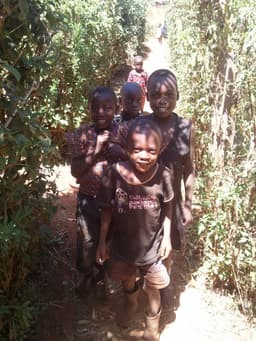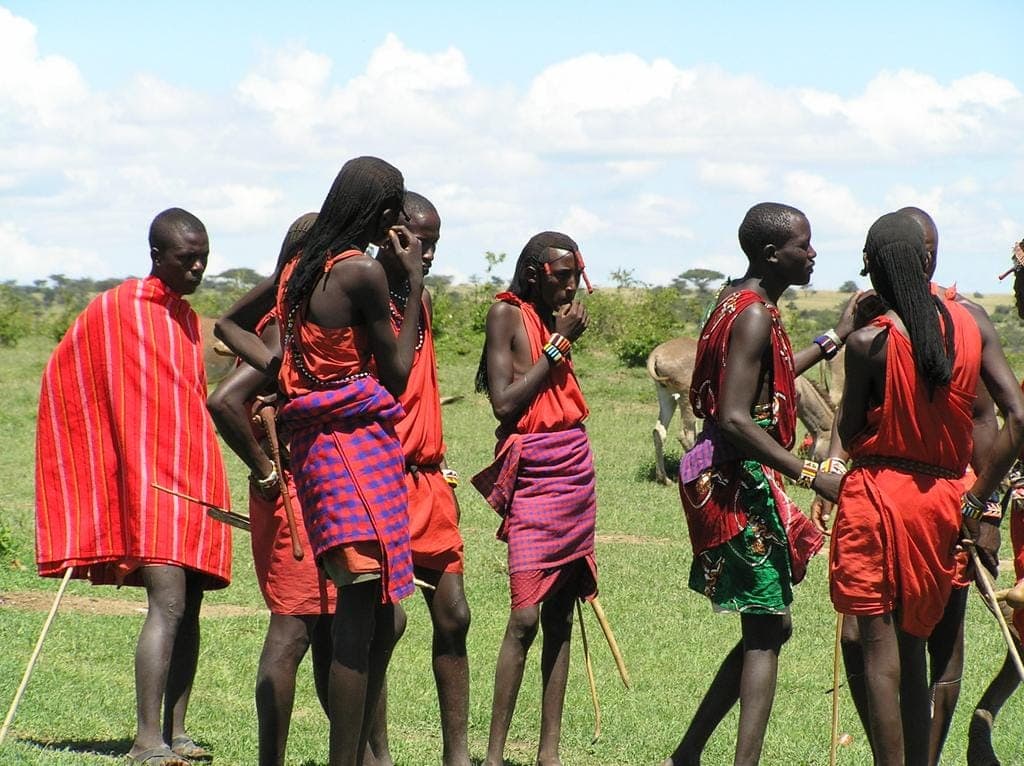
The Maasai are among the most internationally recognisable of Kenya's ethnic communities, a Nilotic pastoralist people settled across the southern Rift Valley and the plains bordering the Maasai Mara and Amboseli — territory shared with related Maasai communities across the border in northern Tanzania, since the community's traditional range was split by the colonial-era international boundary. Maasai identity is built fundamentally around cattle, which hold not just economic but deep spiritual and social significance: traditional Maasai belief holds that the supreme deity, Enkai, granted all the world's cattle to the Maasai at the beginning of time, a founding narrative that historically underpinned (and occasionally justified, in Maasai eyes) cattle-raiding practices against neighbouring communities.
Society is organised through a rigorous age-set system that structures male life into clearly defined stages — junior warrior (moran), senior warrior, junior elder and senior elder — each associated with specific responsibilities, privileges and ceremonies, with the transition between stages marked by elaborate, multi-day ceremonies drawing together age-mates and their extended families.
The moran warrior tradition
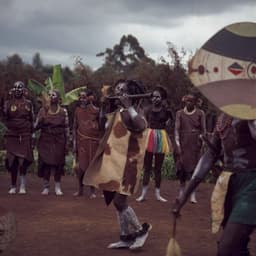
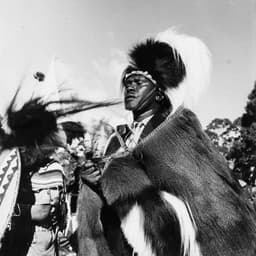
The moran (warrior) stage, entered through circumcision and an extended period of training and communal living apart from the main settlement, remains the most internationally recognised aspect of Maasai culture — historically tasked with community defence and cattle protection, and today, while large-scale cattle raiding and inter-community conflict have diminished significantly, the moran stage persists as a crucial rite of passage emphasising discipline, endurance and communal responsibility, including the well-known adumu "jumping dance" performed at ceremonies to demonstrate strength and vitality.
Beadwork, dress and the manyatta
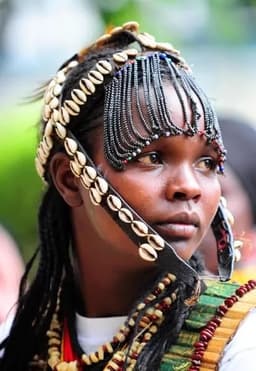
Maasai beadwork is among the most elaborate and symbolically coded in East Africa, with colour combinations, patterns and the specific pieces worn (necklaces, earrings, wrist and ankle bands) communicating age, marital status and social standing to those who can read the visual language. The manyatta, a circular settlement of small dung-and-mud houses arranged around a central livestock enclosure, remains the traditional homestead structure, though many Maasai families today combine traditional manyatta living with more permanent modern housing and increasing participation in the tourism and conservancy economy.
Conservation, land and modern tension
The Maasai's traditional grazing lands overlap substantially with some of Kenya and Tanzania's most significant wildlife conservation areas, including the Maasai Mara itself, creating a complex and sometimes tense relationship between conservation policy, tourism revenue and Maasai land and grazing rights — an issue covered in more depth in this blog's coverage of Maasai Mara conservancies, where community-owned conservancy models have attempted, with varying success, to reconcile wildlife conservation with continued Maasai land use and direct economic benefit.
Visiting and engaging respectfully
- Village visits arranged through the Maasai Mara conservancies (covered elsewhere on this blog) offer the most established, community-benefit-focused way to engage with Maasai culture directly.
- Understand that "authentic Maasai culture" today coexists with smartphones, formal education and modern healthcare — resist any expectation that a living, adapting culture should remain frozen for visitors' sake.
- Maasai beadwork purchased through community cooperatives supports artisans directly and meaningfully.
- The adumu jumping dance and other ceremonies performed for visitors are genuine cultural practices, even when presented in a tourism context — approach them with the same respect due any living tradition.
Few African cultures have achieved the Maasai's level of global visual recognition, but that visibility can obscure a genuinely complex, adaptive, still-evolving society navigating land pressure, conservation politics and modernity on its own terms.