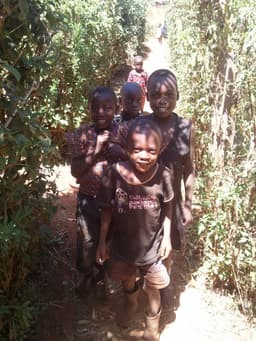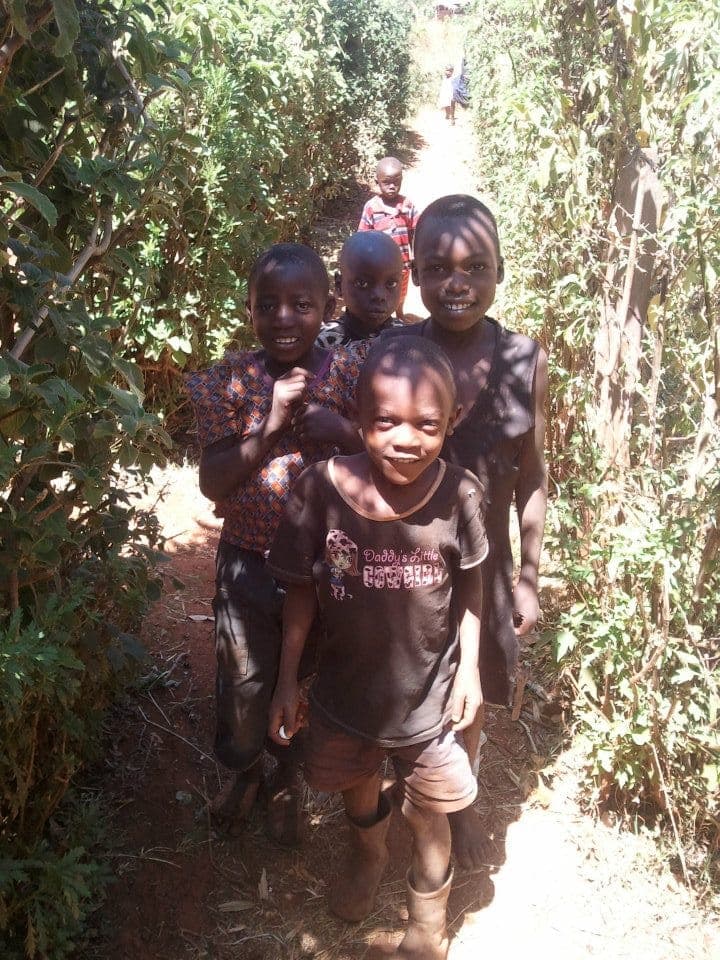
The Maragoli (also called Logoli) are a Luhya sub-group settled in Vihiga County in western Kenya, an area of exceptionally high rural population density — among the highest anywhere in Kenya — resulting from generations of continuous, intensive smallholder settlement on relatively limited land in the fertile western highlands. This density has profoundly shaped Maragoli social and economic life, driving significant historical outmigration to Nairobi and other Kenyan urban centres in search of land and livelihood opportunities unavailable at home.
Traditional Maragoli society, sharing the broader Luhya cultural and linguistic family, organised through clan structures and councils of elders, with a strong emphasis on land inheritance patterns that, given the community's land scarcity, have historically produced increasingly fragmented smallholder plots across generations — a demographic and land-tenure pressure that remains a significant lived economic reality for many Maragoli families today.
Diaspora identity and urban Maragoli communities
Partly as a direct consequence of land pressure at home, Maragoli communities have historically maintained unusually strong and well-organised diaspora networks in Nairobi and other Kenyan towns, with home-community associations, savings groups (chamas) and mutual support networks that remain a distinctive feature of Maragoli social organisation in urban settings — a pattern that has made "Maragoli" something of a byword in Kenyan popular culture for strong community solidarity and mutual aid traditions.
Traditional agriculture and adaptation
Despite land scarcity, Maragoli farmers have developed intensive smallholder cultivation techniques for maize, beans, bananas and vegetables, often combined with off-farm income from small trade, employment or remittances from urban and diaspora family members — a genuinely adaptive economic strategy responding directly to the community's specific land-pressure circumstances.
Circumcision, dance and shared Luhya institutions
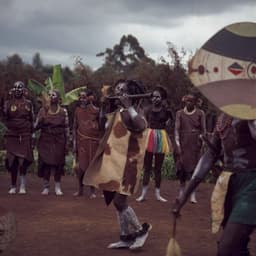
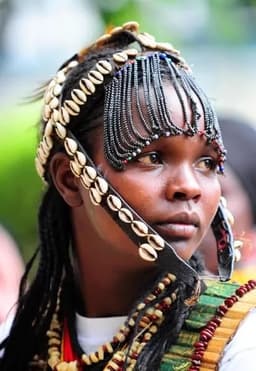
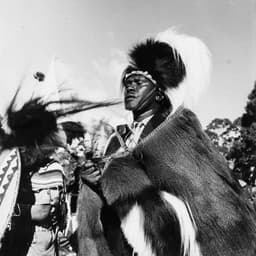
Like other Luhya sub-groups, the Maragoli traditionally practised male circumcision as a marker of passage into adulthood, accompanied by community celebration, though generally with less of the large-scale, publicly organised ceremonial structure found among the neighbouring Bukusu specifically. Traditional dance and music, while sharing broad Luhya characteristics, maintain Maragoli-specific stylistic elements passed down through generations.
Exploring Maragoli culture and Vihiga
- Vihiga County offers direct access to Maragoli communities and the striking, densely cultivated highland landscape their farming has produced.
- Local markets in the region reflect the intensive smallholder agricultural economy characteristic of Maragoli livelihoods.
- Nairobi's various Maragoli community associations and social gatherings offer an alternative, urban-based window into the community's strong mutual-support traditions.
- Kakamega, covered elsewhere on this blog, sits within reasonable reach of the broader Maragoli cultural region.
The Maragoli's story of adaptation to genuine land scarcity — through agricultural intensification, urban migration and strong mutual-support networks — offers a distinctive lens on how Kenyan communities respond to demographic and economic pressure while maintaining cohesive cultural identity.