The Marakwet are a Kalenjin sub-group settled immediately north of the Keiyo along the continuation of the Elgeyo Escarpment in Elgeyo-Marakwet County, sharing a broadly similar dramatic highland-to-valley landscape and closely related cultural traditions, while maintaining their own distinct sub-group identity, dialect variation and, most notably, one of the most celebrated indigenous irrigation engineering traditions anywhere in East Africa.
Marakwet furrow irrigation systems — hand-dug channels running for kilometres along the escarpment's contours to divert water from highland streams down to farmland on the slopes and valley floor below — represent a genuinely sophisticated engineering tradition developed and maintained over many generations without modern surveying equipment, using accumulated traditional knowledge of gradient, water flow and channel maintenance passed down through specific families and clans responsible for particular furrows.
Furrow ownership and communal water management
What makes the Marakwet furrow system particularly notable to researchers is its sophisticated communal governance structure: specific furrows are traditionally owned and maintained by defined kin groups, with clearly established rules governing water-sharing rights, maintenance obligations and dispute resolution between users — a functioning traditional common-resource management system that has sustained productive irrigated agriculture on otherwise marginal escarpment terrain for generations, and has drawn academic interest as a case study in indigenous resource governance.
Circumcision, age-sets and traditional life
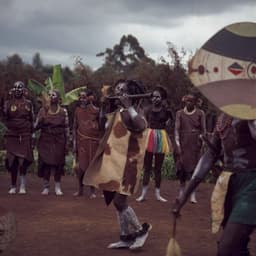
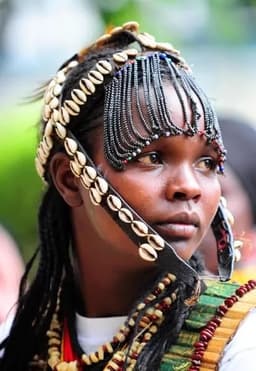
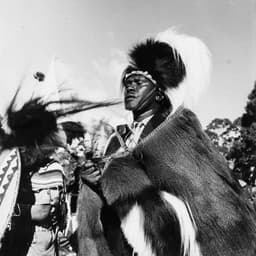
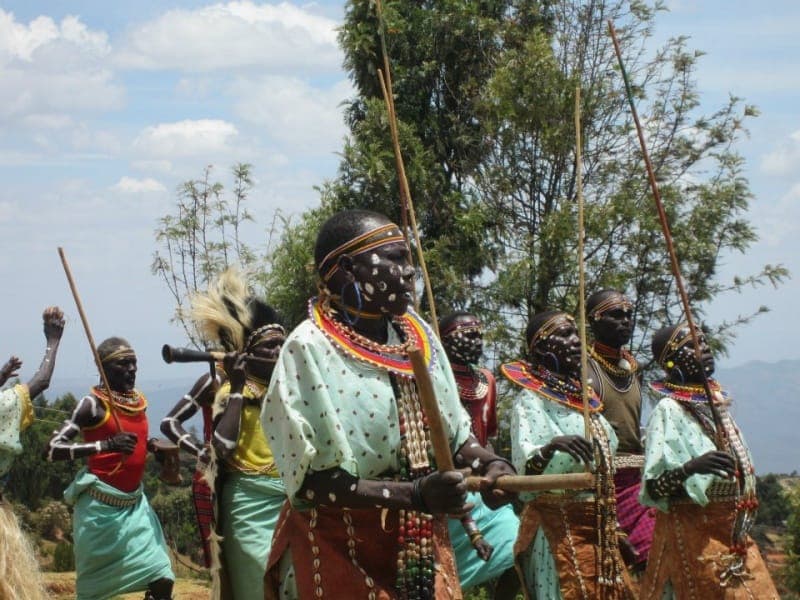
Like other Kalenjin sub-groups, Marakwet society structures male progression through circumcision and an age-set system governing subsequent social stages, with councils of elders handling community governance including, significantly, the specific furrow-management responsibilities tied to particular clans. Traditional dance, music and ceremony mark major life transitions, broadly consistent with wider Kalenjin cultural patterns while retaining specific local variations.
A landscape of extremes
Marakwet territory spans an unusually dramatic range of elevation and climate within a relatively small geographic area — from cool highland plateau at the escarpment top to hot, arid valley floor below — and traditional Marakwet livelihood strategies historically made use of this full range, with some families maintaining both highland and lowland plots or livestock to hedge against localised drought or crop failure at any single elevation.
Exploring Marakwet culture and the furrow systems
- Guided visits to active furrow systems, arranged through local community guides, offer a genuinely rare look at functioning indigenous engineering still in active daily use.
- The Elgeyo Escarpment's dramatic terrain, shared with Keiyo territory covered elsewhere on this blog, rewards slow, guided exploration rather than a rushed pass-through.
- Local researchers and community elders are often willing to explain the furrow ownership and governance system in detail to genuinely interested visitors.
- Combine a Marakwet furrow visit with Iten and the broader Elgeyo-Marakwet running culture region for a fuller escarpment itinerary.
The Marakwet furrow irrigation system stands as one of Kenya's most concrete examples of indigenous engineering knowledge solving a genuinely difficult practical problem — and doing so through a durable, communally governed system that has outlasted many more centrally planned modern infrastructure projects.