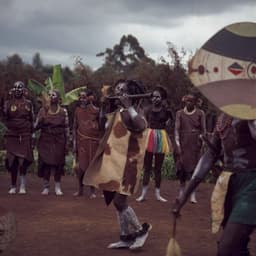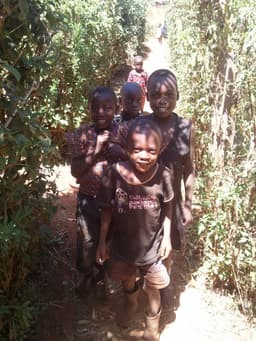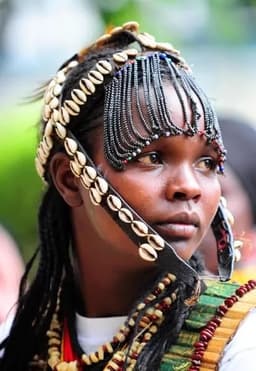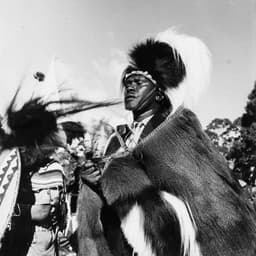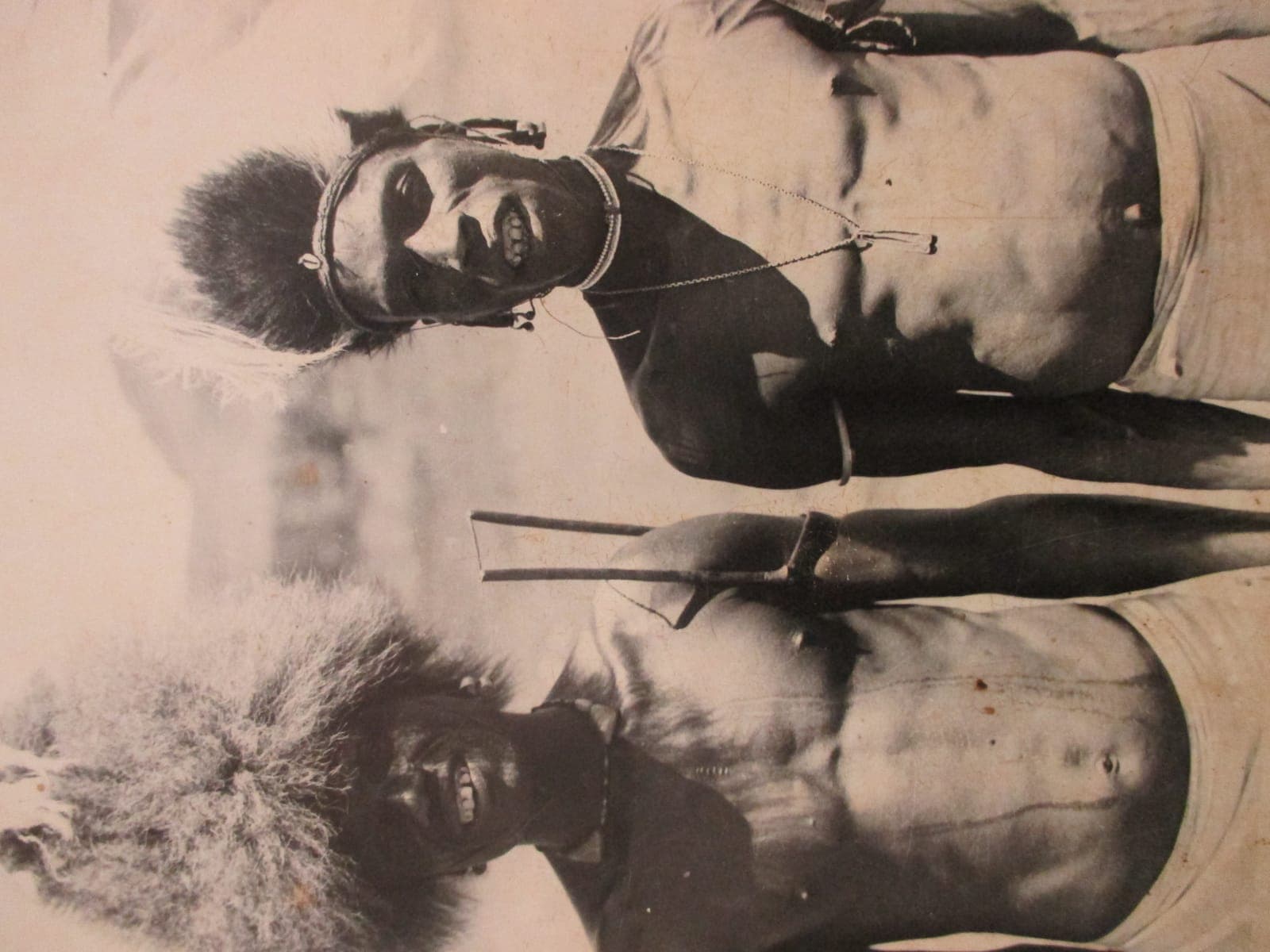
The Meru (Ameru) are a Bantu-speaking community settled on the fertile northeastern and eastern slopes of Mount Kenya, in what is now Meru, Tharaka-Nithi and parts of surrounding counties — a region of rich volcanic soil and reliable rainfall that has made it one of Kenya's most productive agricultural areas, particularly for tea, coffee, miraa (khat) and macadamia. Meru oral tradition, similarly to several other Mount Kenya-area communities, describes a migration from a coastal or near-coastal origin point generations ago, arriving at their present highland home after a lengthy journey remembered in considerable narrative detail through oral history.
The Meru are themselves an umbrella of several closely related sub-groups — including the Imenti, Igembe, Tigania, Igoji and others — sharing a common language and core traditions while maintaining local variations, a pattern echoed across several other Kenyan "umbrella" ethnic identities covered on this blog.
The Njuri Ncheke: a living traditional government
Perhaps the Meru's most distinctive cultural institution is the Njuri Ncheke, a council of respected senior male elders that has functioned as the community's supreme traditional governing and judicial authority for generations, handling land disputes, customary law enforcement, environmental regulation and major community decisions through a structured hierarchy of ranks that members ascend over decades of demonstrated wisdom and service. Remarkably, the Njuri Ncheke remains an active, respected institution today, working alongside modern county and national government structures rather than having been fully supplanted by them — a genuinely rare degree of continuity for a pre-colonial governance system in contemporary Kenya, and one that has drawn academic interest as a case study in the durability of indigenous institutions.
Miraa and the modern Meru economy
The Nyambene Hills area of Meru is the centre of Kenya's miraa (khat) cultivation, a mildly stimulant plant chewed widely across the Horn of Africa and Yemen, and miraa farming and export has become a major economic pillar for the region, generating substantial cross-border trade despite periodic controversy over the substance's legal status and health effects in various export markets.
Traditional belief, circumcision and clan structure
Traditional Meru spiritual practice centred on a supreme deity, Murungu, associated with Mount Kenya itself, alongside ancestor veneration and traditional healers. Male and historically female circumcision marked formal passage into adulthood, structured through age-sets that, similarly to the Kikuyu and Kalenjin systems, bound age-mates together through subsequent life stages with mutual social obligations.
Exploring Meru culture and the Njuri Ncheke legacy
- Meru town, covered elsewhere on this blog, offers direct access to Meru cultural and commercial life.
- Meru National Park, also covered separately, sits within the community's broader traditional territory.
- The Nyambene Hills miraa-growing region offers insight into one of Kenya's more economically significant but internationally lesser-known cash crop economies.
- Approach discussion of the Njuri Ncheke with genuine respect — it remains an active, functioning institution with real contemporary authority, not a historical curiosity.
Few Kenyan communities offer as clear and continuously functioning a link between pre-colonial governance tradition and present-day community life as the Meru's Njuri Ncheke council.