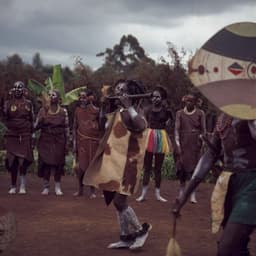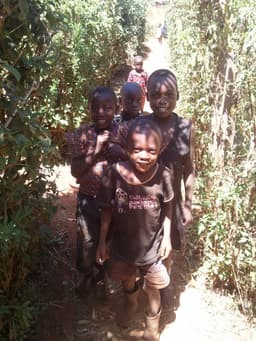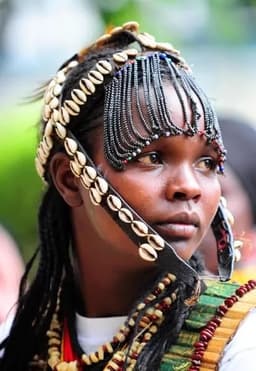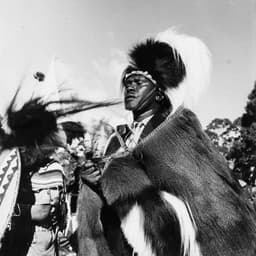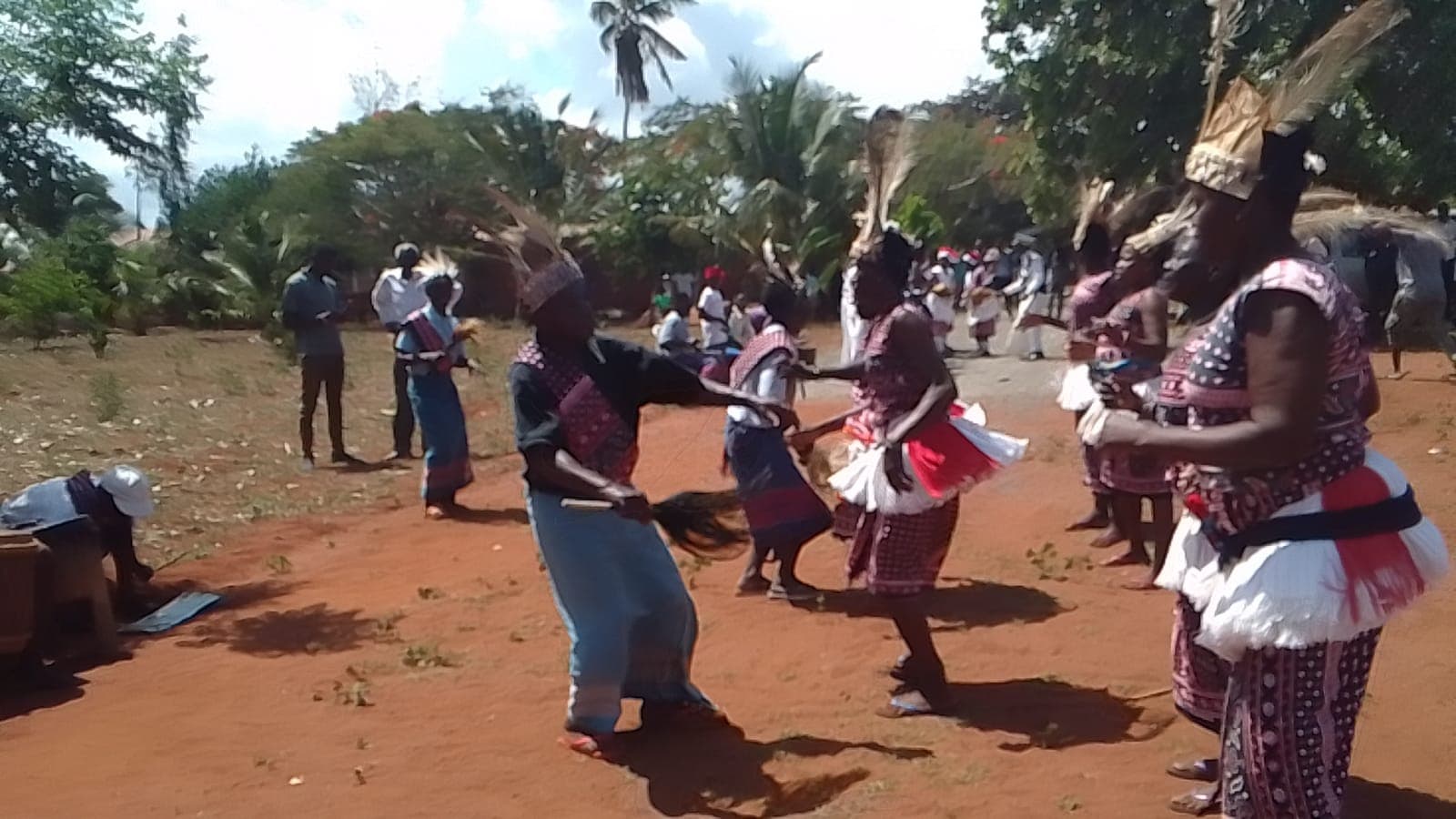
The Mijikenda ("nine homesteads" or "nine tribes" in Swahili) are a confederation of nine closely related Bantu-speaking communities settled along Kenya's coastal hinterland, stretching roughly from the Tanzanian border to the Tana River: the Giriama, Digo, Duruma, Rabai, Ribe, Kambe, Jibana, Chonyi and Kauma. Oral tradition holds that all nine trace their origin to a shared ancestral homeland called Shungwaya, believed to have been located further north near the modern Kenya-Somalia border, from which the communities migrated southward centuries ago under pressure from Cushitic and Somali expansion, eventually settling their present coastal territories in a shared migration narrative that underpins the broader Mijikenda identity today.
Despite sharing this common origin story and closely related Bantu languages, each of the nine Mijikenda sub-groups maintains distinct local customs, dialect variations and specific settlement areas, similar in structure to the Luhya's internal diversity in western Kenya.
The kaya forests: UNESCO World Heritage sites
Perhaps the most globally significant Mijikenda cultural institution is the kaya — a fortified forest settlement, typically built on a defensible hilltop and surrounded by dense, deliberately preserved forest, that served as each sub-group's original fortified village and remains today its most important sacred site, associated with ancestral spirits and used for the community's most significant rituals. Though the kayas were largely abandoned as everyday settlements generations ago, the forests surrounding them have been carefully protected by traditional taboos against cutting timber or disturbing the forest, making them some of the last surviving fragments of Kenya's coastal forest ecosystem. Several kaya forests were collectively inscribed as a UNESCO World Heritage Site in 2008, recognising both their ecological significance and their role as sacred cultural landscapes actively maintained by councils of elders (kambi) who regulate access and ritual use.
The Giriama and resistance history
Among the nine sub-groups, the Giriama hold particular historical significance for their sustained resistance to British colonial taxation and labour demands in the early 20th century, led by the prophetess Mekatilili wa Menza, whose defiance of colonial authorities remains a celebrated episode in Kenyan anti-colonial history and has been commemorated with a national holiday and public monuments.
Traditional beliefs and modern coastal life
Traditional Mijikenda spiritual practice centres on ancestor veneration mediated through the kaya elders, alongside belief in a supreme creator deity, and this traditional religious structure has coexisted, sometimes uneasily, with the spread of both Islam and Christianity along the coast over the past century. Economically, Mijikenda communities today combine subsistence and cash-crop farming (cashew, coconut, mango) with significant participation in the coastal tourism economy around Diani, Watamu and Mombasa.
Visiting kaya forests and Mijikenda communities
- Kaya Kinondo, near Diani, is one of the more accessible sacred forests welcoming respectful visitors with community guides.
- Always visit kaya sites with an authorised local guide and follow the specific customs and restrictions each kaya's council of elders sets — these remain living sacred sites, not open-access tourist attractions.
- Malindi and the surrounding hinterland offer strong access to Giriama cultural life and history, including sites connected to Mekatilili wa Menza.
- Shimba Hills National Reserve, covered elsewhere on this blog, sits within the broader Mijikenda cultural landscape.
The Mijikenda's kaya forests stand as one of the clearest examples anywhere in Kenya of traditional spiritual practice directly and measurably preserving biodiversity — sacred taboo functioning, in effect, as centuries of unbroken conservation law.