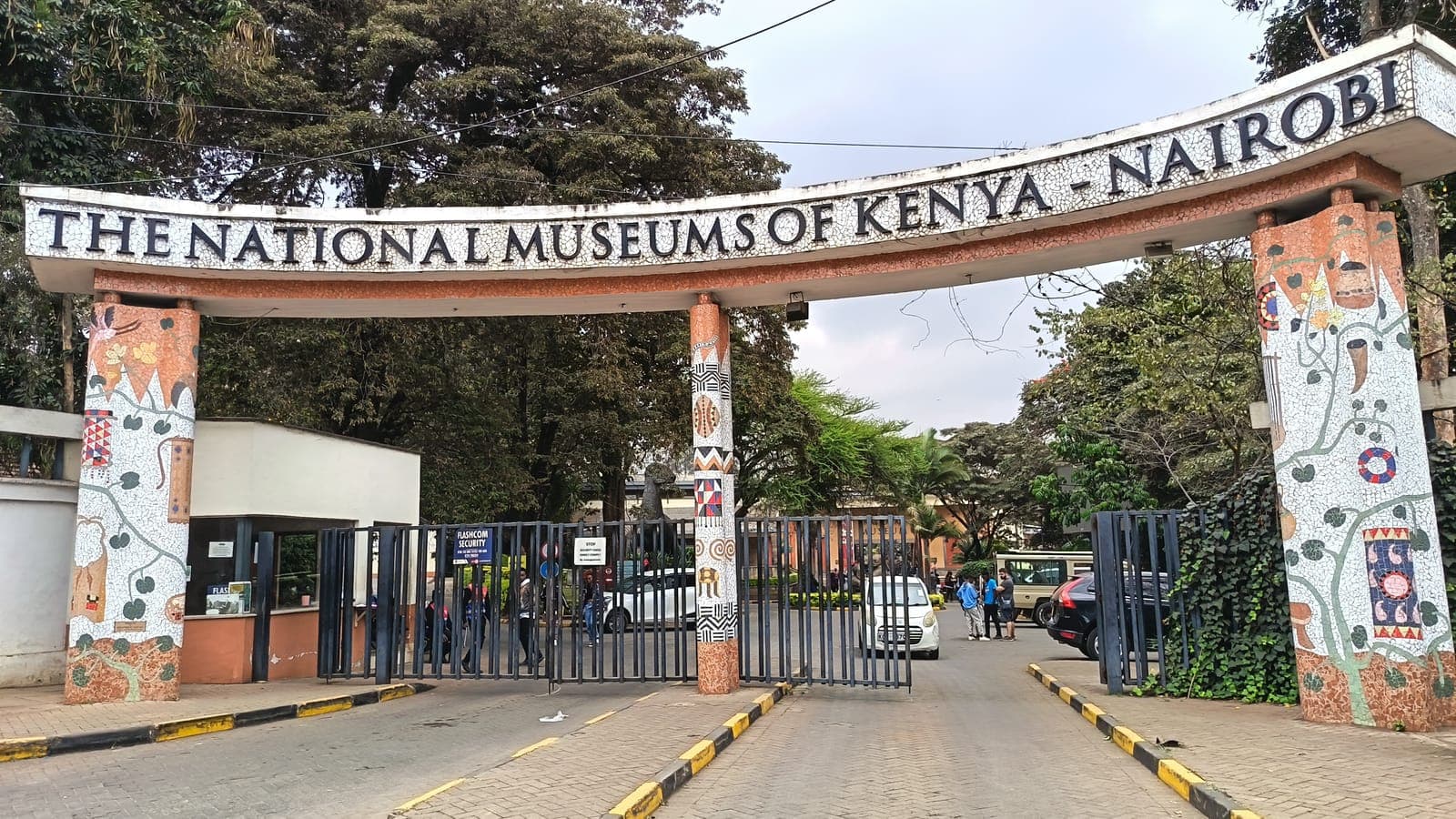
The Nairobi National Museum, run by the National Museums of Kenya, is the country's flagship cultural institution, housing collections that range from some of the most important hominid fossils in the world — many originating from the Turkana Basin excavations covered elsewhere on this blog — to contemporary Kenyan art, ethnographic displays and an extensive natural history collection of birds and mammals.
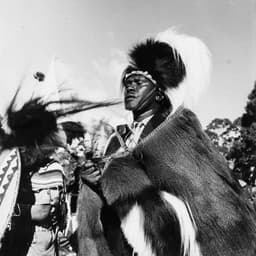
The museum's palaeontology hall connects directly to Kenya's outsized role in the study of human evolution, while separate galleries cover the country's ethnic diversity through traditional dress, tools and artefacts from dozens of communities. A botanical garden and snake park sit on the same grounds, making it possible to spend the better part of a day on site.
Making the most of a visit
- Allow at least 2–3 hours to properly cover the main galleries.
- The attached botanical gardens are a quiet, pleasant add-on after the indoor exhibits.
- Guided tours are available and recommended for the palaeontology and history sections, which benefit from context.
- It's an excellent rainy-day or pre-departure activity in Nairobi.
For a single stop that contextualises much of what you'll see elsewhere in Kenya — from Turkana's fossils to Maasai beadwork — the National Museum is difficult to beat.