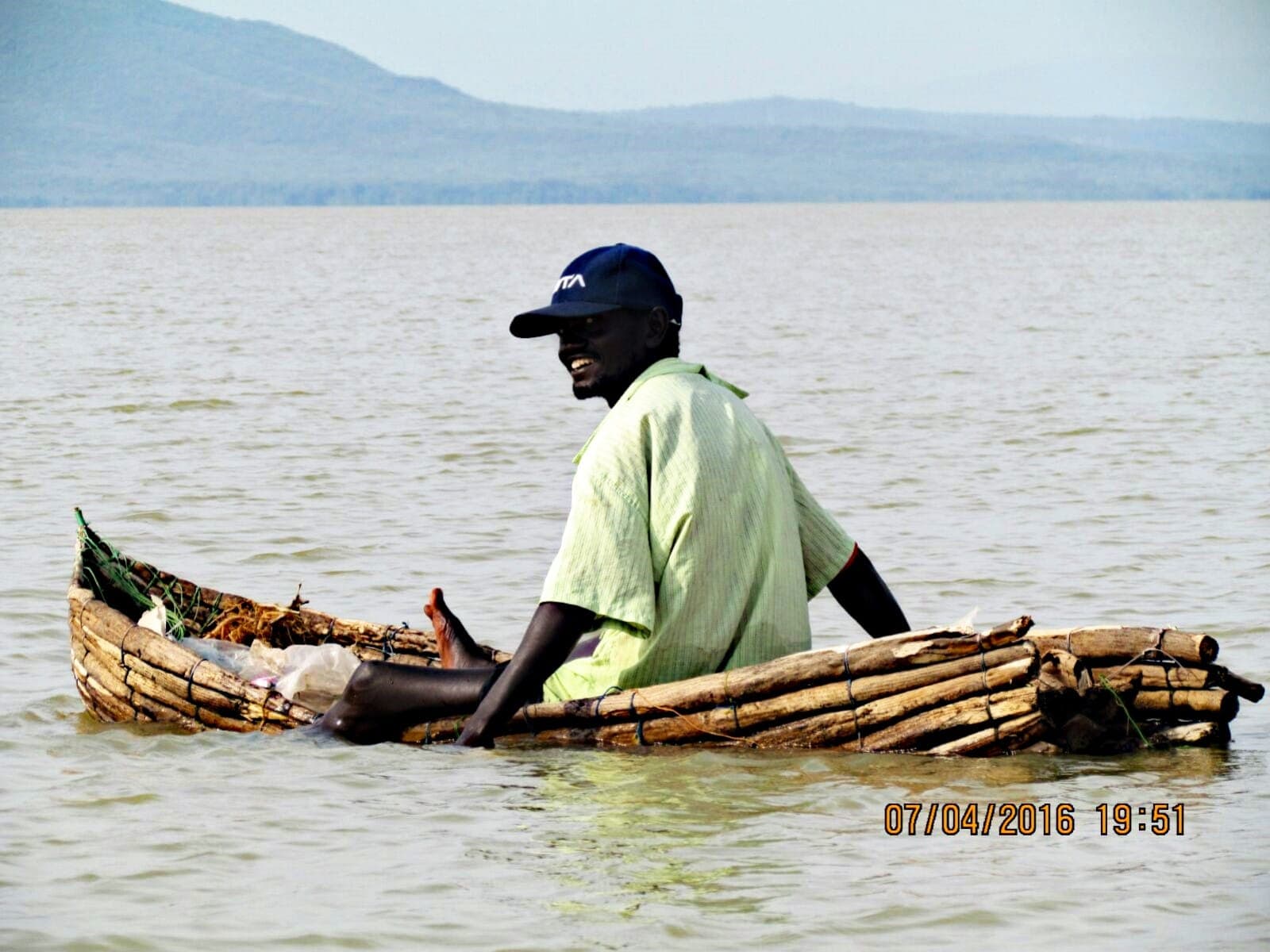
The Njemps, who call themselves Ilchamus, are a small Maa-speaking community settled around the southern shores of Lake Baringo in Kenya's Rift Valley, related linguistically to the much larger Maasai and Samburu communities covered elsewhere on this blog, but distinguished by a genuinely unusual economic adaptation among East Africa's Maa-speaking peoples: alongside traditional cattle and goat pastoralism, the Ilchamus practise fishing on Lake Baringo, using dugout canoes called ambatch (named for the lightweight local wood used to construct them) to fish the lake's waters — a livelihood combination virtually unique among Maa-speaking communities, most of which maintain a purely land-based pastoralist economy.
Ilchamus oral tradition describes a history of settlement around Lake Baringo stretching back many generations, developing this distinctive combined pastoralist-fishing adaptation in response to the specific opportunities and constraints of their lakeside environment, considerably more arid than Maasai territory further south but with the lake itself offering a reliable alternative food source unavailable to purely land-based pastoralist neighbours.
Irrigation and small-scale farming
Beyond fishing and pastoralism, the Ilchamus have also developed small-scale irrigated farming along the lake's fringes, growing vegetables and other crops using water drawn from the lake and seasonal streams — a further point of economic diversification distinguishing them from the more purely pastoralist economic model of most other Maa-speaking communities in the region.
Shared Maa cultural institutions
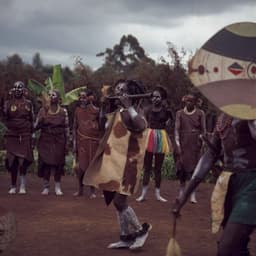
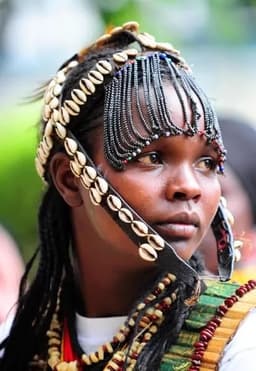
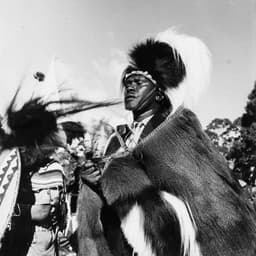
Despite their distinctive economic adaptation, the Ilchamus share core Maa cultural institutions with the Maasai and Samburu, including age-set systems, cattle-centred social status markers, and broadly similar traditional dress and beadwork conventions, adapted with local variations reflecting the community's smaller population and specific lakeside environment.
A small community amid larger neighbours
The Ilchamus are considerably smaller in population than either the Maasai or Samburu, and their territory around Lake Baringo places them in a borderland position between Kalenjin communities (particularly the Tugen) to the west and Samburu territory to the north — a position that has, at various points, involved both cooperative and occasionally tense relations with neighbouring communities over grazing and fishing resource access.
Exploring Ilchamus culture around Lake Baringo
- Lake Baringo, covered in depth elsewhere on this blog, offers the most direct access to Ilchamus fishing culture, with community boat trips available through local operators.
- Ol Kokwe Island on Lake Baringo, also covered elsewhere on this blog, sits within the broader Ilchamus cultural and economic region.
- Local Ilchamus guides can explain the distinctive combined pastoralist-fishing economy in more depth than a passing visit alone would reveal.
- Fresh tilapia from Lake Baringo, prepared locally, reflects the community's genuinely distinctive fishing tradition among Maa-speaking peoples.
The Ilchamus offer a genuinely instructive counter-example to assumptions about Maa-speaking culture as uniformly cattle-pastoralist — a small community that adapted its shared Maa heritage to a specific lakeside environment in a way found nowhere else among its linguistic kin.