Kenya's Nubian community traces its origins to Sudanese soldiers recruited by British colonial authorities into the King's African Rifles and its predecessor forces in the late 19th and early 20th centuries, many drawn from Sudanese and southern Sudanese populations with roots in the historic Nubian region along the Nile. After decades of colonial military service across East Africa, many Nubian soldiers and their families were eventually settled by the colonial administration in an area on the outskirts of Nairobi that took its name from the Nubian word for forest — Kibra, which grew over subsequent decades into what is now Kibera, one of Africa's largest and most internationally known informal urban settlements.
This origin as a specifically military-settled community, rather than an indigenous Kenyan ethnic group, has shaped a genuinely distinctive Nubian-Kenyan identity and, historically, a complicated and often difficult relationship with Kenyan citizenship and land rights recognition, since the community does not fit neatly into the country's officially recognised indigenous ethnic community framework despite over a century of continuous settlement in Kenya.
A century-long struggle for recognition
For decades after Kenyan independence, the Nubian community faced significant, well-documented difficulty obtaining full and secure Kenyan citizenship documentation, with many community members subjected to additional vetting requirements not applied to citizens from officially recognised indigenous ethnic communities — a genuine, sustained grievance that Nubian community organisations and human rights advocates campaigned on for years, achieving significant, though not fully complete, policy improvements through legal advocacy and, notably, a landmark African human rights tribunal ruling in the community's favour regarding both citizenship and land rights.
Land rights in Kibra
Despite the Nubian community's century-long historical presence and original colonial-era settlement in what became Kibra, formal land title recognition for Nubian residents has remained a persistent and largely unresolved issue as Kibra grew into a dense, ethnically diverse informal settlement housing hundreds of thousands of residents from across Kenya — a genuinely complex urban land-rights situation in which the original settling community's historical claim exists alongside decades of subsequent settlement by many other Kenyan communities in the same area.
Islamic faith and Sudanese-Kenyan cultural identity
The Nubian community is predominantly Muslim, maintaining religious and some cultural practices reflecting its Sudanese origins alongside over a century of integration into broader Kenyan, and specifically Nairobi urban, social and economic life — producing a genuinely distinct Nubian-Kenyan cultural identity that draws on both heritages rather than simply replicating either.
Understanding Nubian-Kenyan history
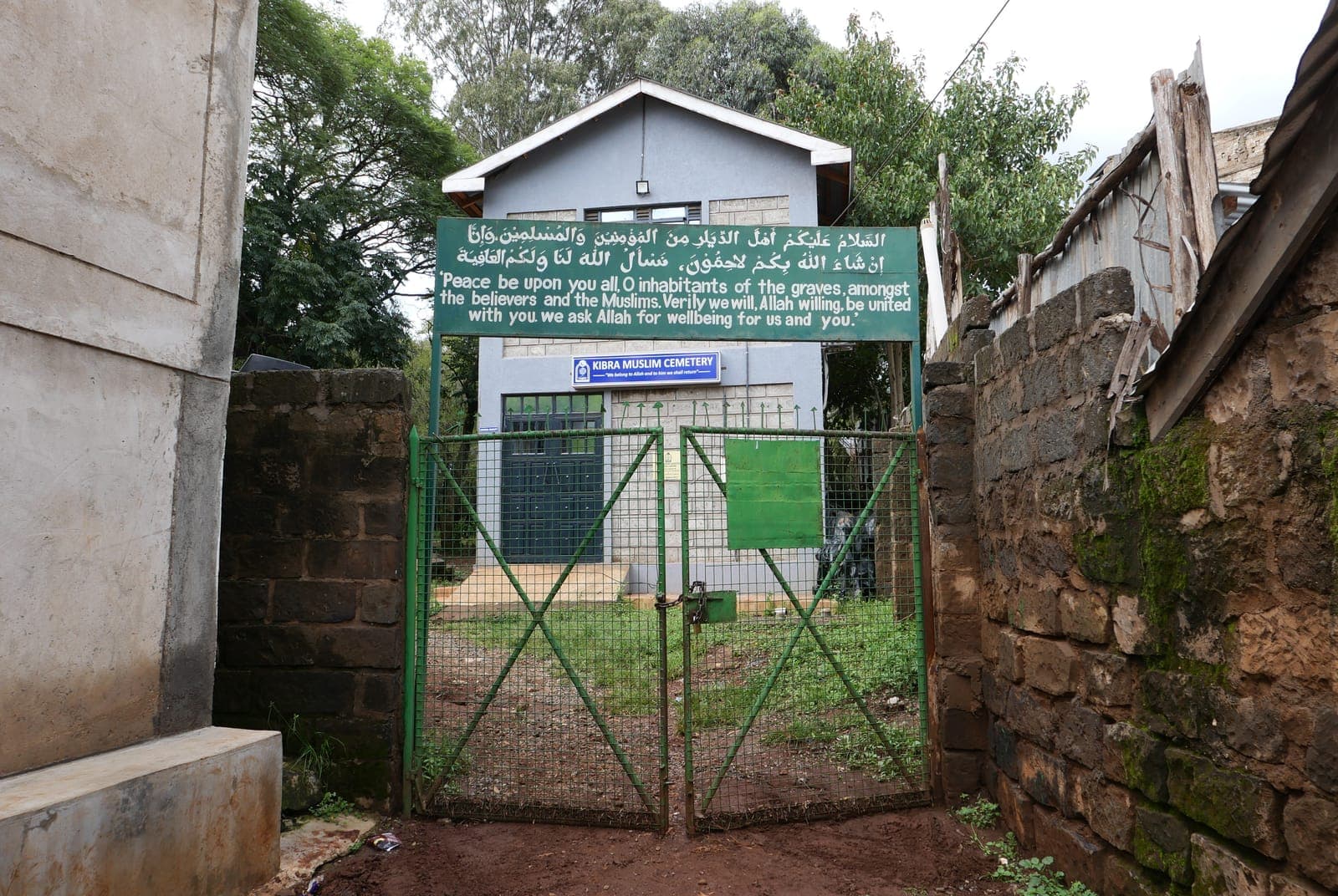
- The Nubian cemetery and associated heritage sites in Kibra reflect the community's century-plus historical presence in the area.
- Understanding Kibra's history requires engaging with the Nubian community's specific founding role, distinct from the settlement's later, much larger multiethnic population.
- Approach citizenship and land-rights history with genuine awareness of the documented, sustained institutional difficulty the community has faced.
- Nubian community organisations remain active advocates on these ongoing issues and offer the most informed, direct source of community perspective.
The Nubian community's century-long journey from colonial military settlement to a still-ongoing struggle for full recognition offers a genuinely important and often overlooked thread in understanding modern Nairobi's history and Kenya's broader, sometimes uneven, approach to national belonging.