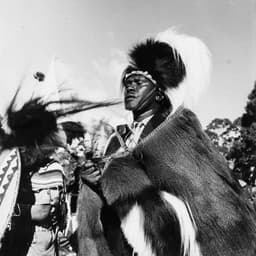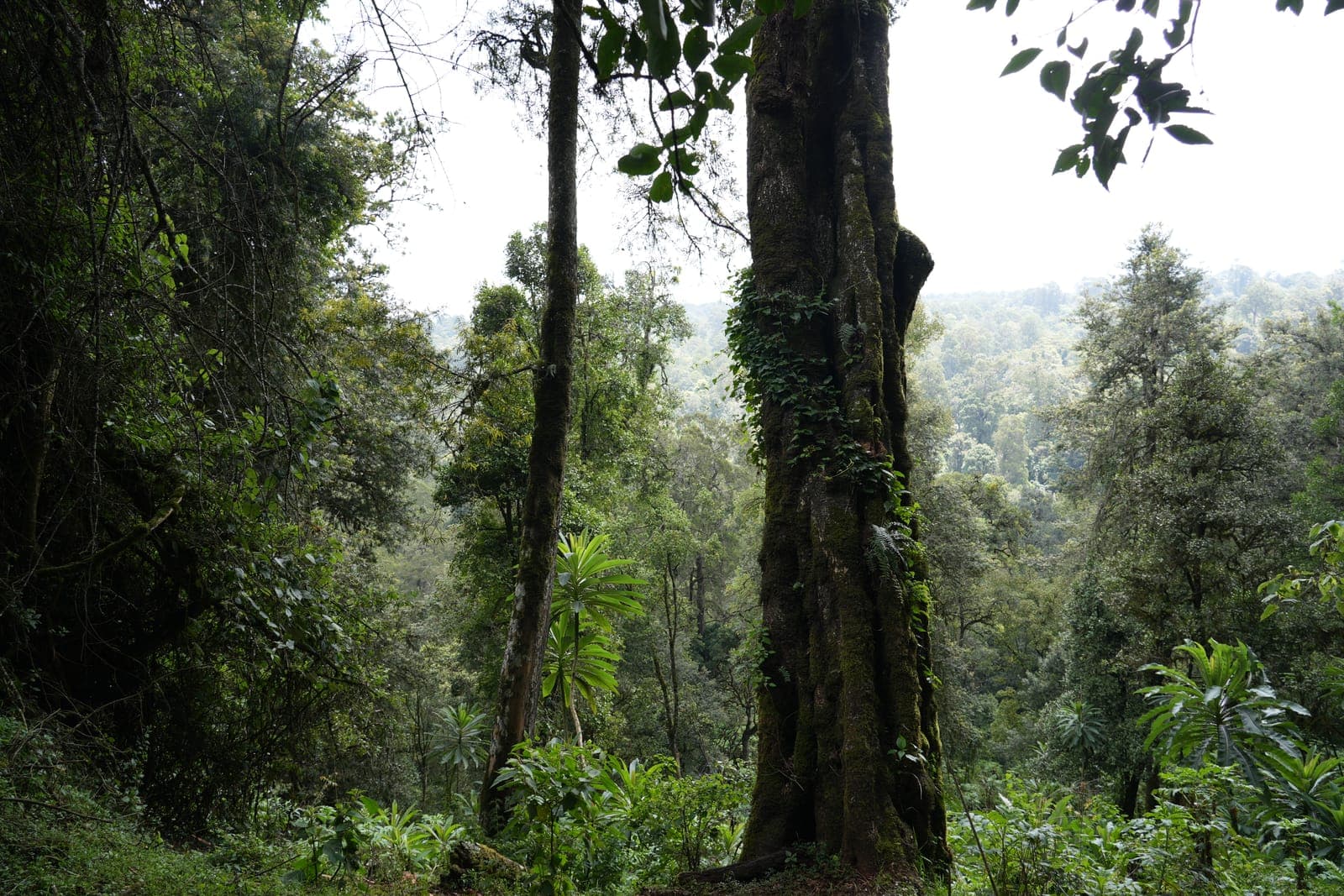
The Ogiek are a small, historically hunter-gatherer community associated with Kenya's Mau Forest Complex, one of the country's largest and most ecologically significant remaining indigenous forest ecosystems, straddling several Rift Valley counties. Traditional Ogiek livelihood centred on honey gathering, hunting and forest plant foraging within the Mau's dense woodland — a forest-dependent lifestyle historically distinct from the pastoralist and farming economies of virtually all their Maasai, Kalenjin and Kikuyu neighbours in the wider Rift Valley region.
Linguistically and culturally, the Ogiek have historically been closely intertwined with neighbouring Kalenjin and Maasai communities through centuries of proximity, trade and intermarriage, while maintaining a distinct sense of Ogiek identity rooted specifically in their forest-based way of life and deep traditional ecological knowledge of the Mau's plant and animal resources.
A landmark land rights victory
The Ogiek achieved international legal significance in 2017 when the African Court on Human and Peoples' Rights ruled in their favour in a long-running case against the Kenyan government, finding that historical evictions of Ogiek communities from their ancestral Mau Forest land — carried out in the name of conservation and, at various points, allocation to other interests — violated the community's indigenous land rights. This ruling, and Kenya's subsequent (if still incomplete and contested) implementation efforts, represents one of the most significant indigenous land rights victories anywhere in Africa, closely watched by indigenous rights advocates continent-wide.
Traditional honey-hunting expertise
Ogiek traditional honey-hunting techniques, using smoke to calm wild bee colonies in forest tree hollows, represent a sophisticated body of accumulated ecological knowledge broadly similar to the Aweer's forest honey-hunting tradition covered elsewhere on this blog, reflecting a shared pattern of specialised forest-resource expertise among several of Kenya's smaller indigenous forest communities.
Conservation, eviction and ongoing tension
The Ogiek's situation illustrates a genuinely difficult and still-unresolved tension found in indigenous rights debates worldwide: government conservation authorities have historically justified Ogiek evictions from Mau Forest partly on environmental protection grounds, while the Ogiek and their advocates argue, with considerable supporting evidence, that the community's traditional low-impact forest use is itself compatible with, and indeed historically responsible for helping preserve, the forest ecosystem now under threat primarily from other, non-Ogiek encroachment and logging.
Understanding Ogiek rights and culture
- The Ogiek land rights case remains an actively significant and still-evolving legal and policy matter in Kenya.
- Approach the community's situation with genuine awareness of the ongoing tension between conservation policy and indigenous land rights.
- The Mau Forest Complex's ecological significance extends well beyond the Ogiek's own situation, serving as a critical water catchment for much of the wider Rift Valley region.
- Human rights and indigenous advocacy organisations offer the most current, informed sources on the community's ongoing legal and land situation.
The Ogiek's decades-long struggle for recognition of their ancestral forest land rights, culminating in a genuinely landmark African human rights ruling, stands as one of the most significant indigenous rights stories connected to any community covered on this blog.