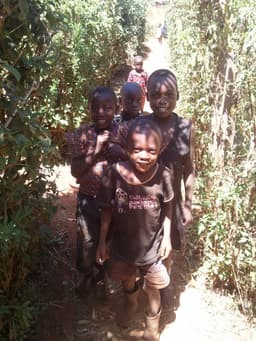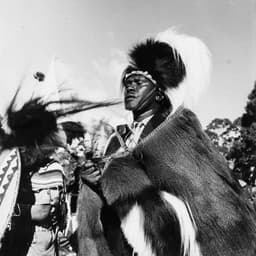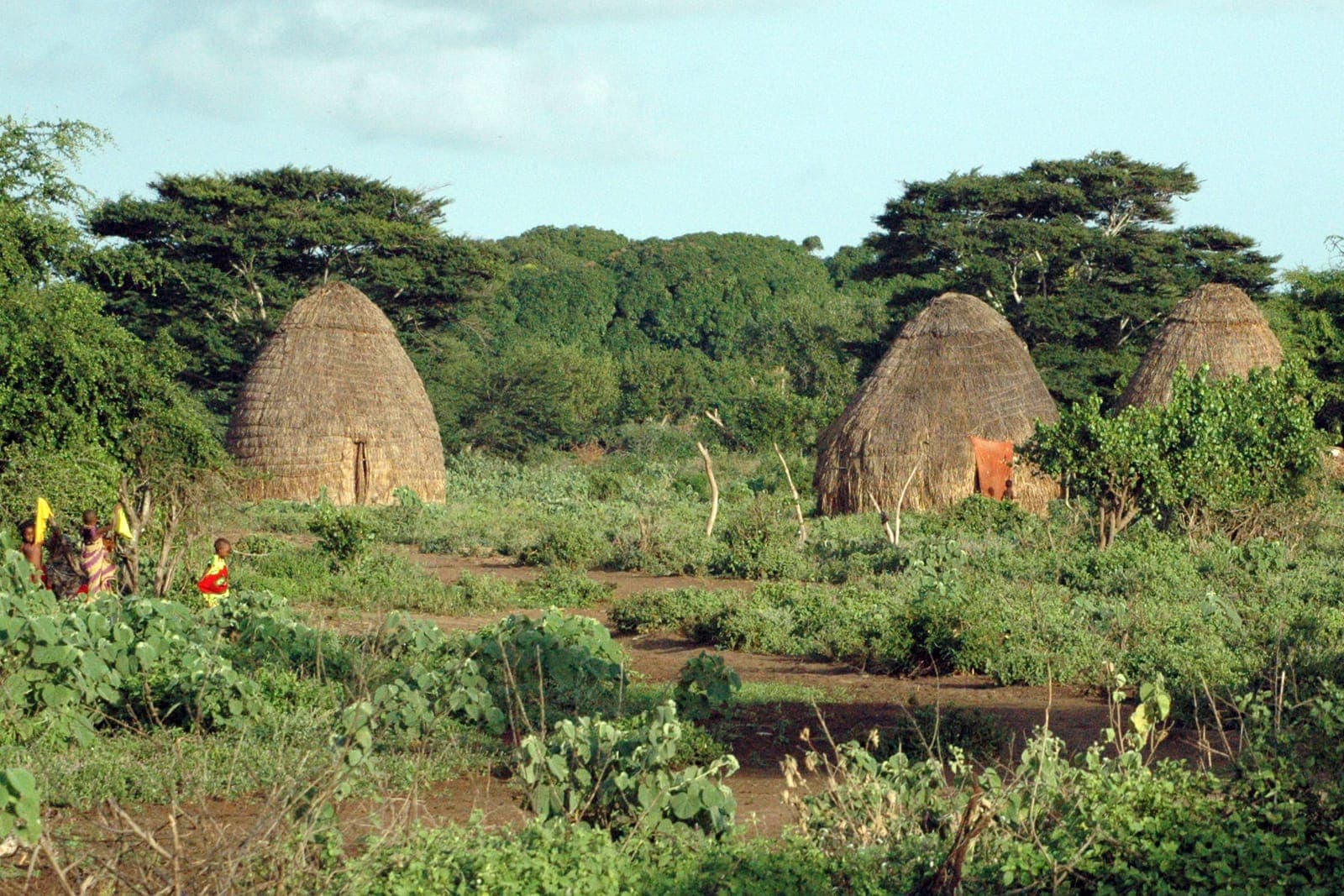
The Orma are a Cushitic-speaking pastoralist community settled primarily in the Tana River Delta region of Kenya's coast, sharing this ecologically significant wetland landscape with the Bantu farming Pokomo community covered separately above — a coexistence between pastoralist and farming livelihoods within a single shared river delta that has, at various points, involved both mutually beneficial resource exchange and competitive tension over grazing and farming land, particularly during dry seasons when both communities' resource needs intensify.
The Orma are closely related linguistically and culturally to the much larger Oromo people of Ethiopia and to Kenya's own Borana community further north, all part of the broader Cushitic-speaking family that extends across the Horn of Africa — the Orma's presence in the Tana Delta represents a southward extension of this Cushitic cultural and linguistic zone into Kenya's coastal region, a considerable geographic distance from the main concentration of Cushitic communities in Kenya's northern reaches.
Cattle culture and delta grazing
Traditional Orma livelihood centres overwhelmingly on cattle, supplemented by goats and camels in some areas, with the Tana Delta's seasonal floodplain grasses providing valuable dry-season grazing resources that make the delta a genuinely strategic pastoral resource for Orma herding patterns, which historically involved significant seasonal movement between the delta and drier surrounding rangelands depending on rainfall and grazing availability.
Islamic faith and Cushitic identity
Like several other Cushitic communities in Kenya's coastal and northern regions, the Orma are predominantly Muslim, having adopted Islam through historical contact with coastal Swahili and broader Islamic trade networks, a religious identity that coexists with continued Orma cultural practices including age-set systems and cattle-centred social status markers broadly consistent with the wider Cushitic pastoralist cultural pattern shared with the Borana, Somali and other related communities.
Delta development pressures
Like the neighbouring Pokomo, the Orma have been significantly affected by proposed large-scale agricultural development schemes in the Tana Delta, with grazing land and water access rights at the centre of ongoing land-use policy debates — the Orma's pastoralist land-use pattern, requiring extensive seasonal grazing range rather than fixed cultivated plots, has made the community particularly vulnerable to land-use changes that convert delta grazing land to intensive agricultural or biofuel plantation use.
Exploring Orma culture in the Tana Delta
- The Tana River Delta, shared with the Pokomo and covered in this blog's broader Tana River coverage, offers the primary access point to Orma pastoralist culture.
- Approach delta land-use debates with awareness of the genuine competing livelihood stakes for both Orma pastoralists and Pokomo farmers.
- Orma cattle markets and community gatherings, where accessible with local guidance, offer insight into the community's pastoralist economy.
- The Orma's Cushitic cultural and linguistic connections to Ethiopia's Oromo and Kenya's own Borana community offer an interesting thread connecting Kenya's coast to its far north.
The Orma's presence as a Cushitic pastoralist community deep in Kenya's coastal region, sharing the Tana Delta with Bantu farmers, illustrates the country's genuinely complex ethnic geography, where linguistic and cultural zones don't always map neatly onto simple regional expectations.