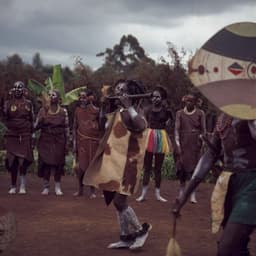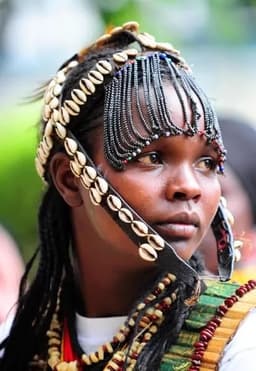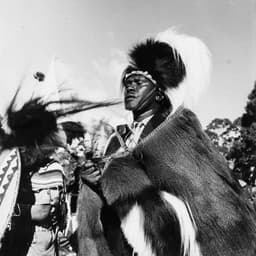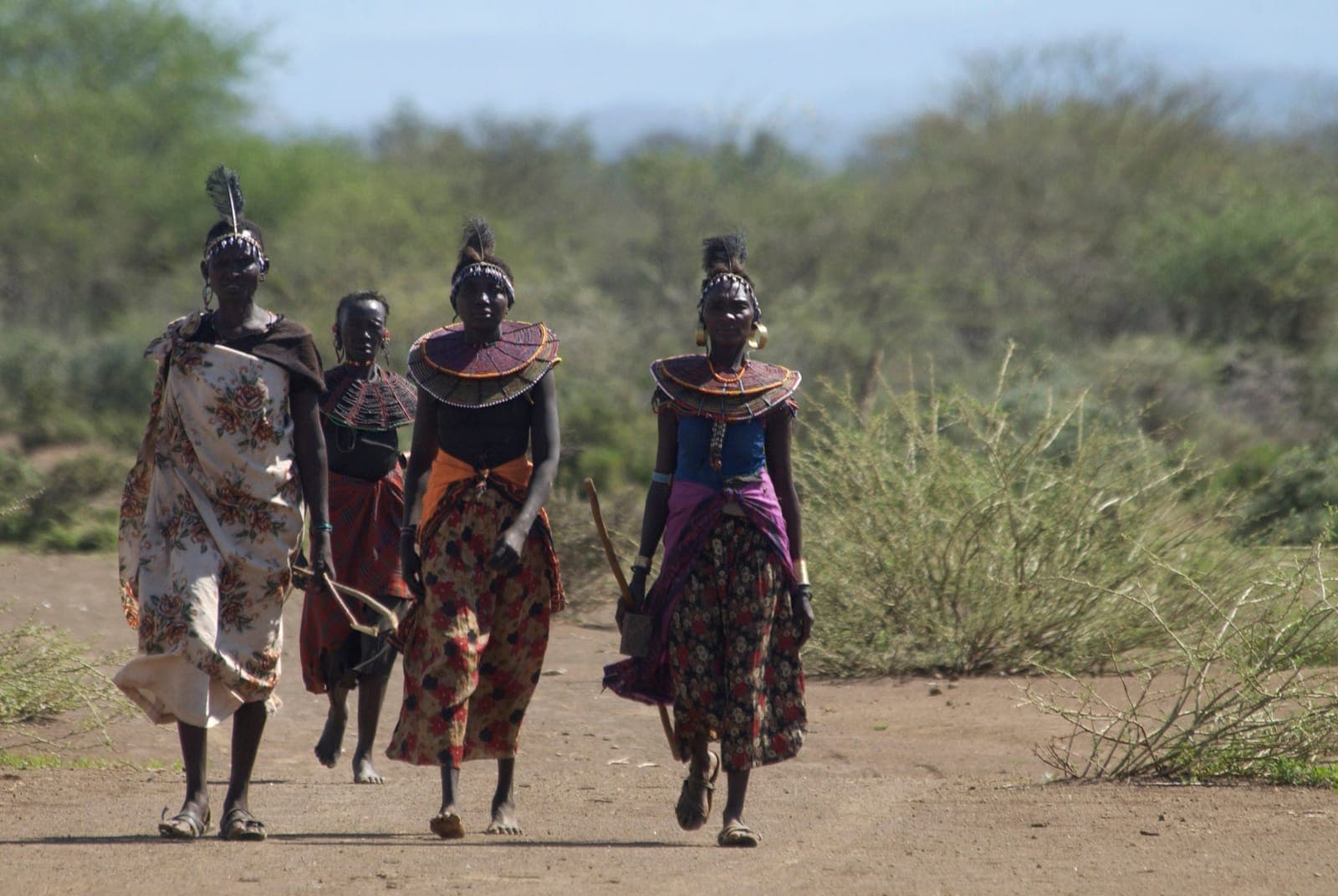
The Pokot people inhabit the rugged, semi-arid highlands of West Pokot and parts of the Rift Valley in northwestern Kenya, maintaining a pastoralist lifestyle centred on cattle similar in broad structure to the Maasai and Samburu further south and east, but with their own distinct language, customs and material culture shaped by the specific challenges of their highland-to-lowland terrain.
Traditional Pokot dress and body adornment are visually striking, including distinctive beaded collars and, among some community members, traditional scarification practices carrying specific cultural and social meaning tied to age, status and life events within the community.
Engaging with Pokot culture
- Visits to Pokot communities are best arranged through local guides or established community tourism operators.
- Kapenguria, the regional administrative centre, also holds historical significance as the site where Jomo Kenyatta and other independence leaders were tried and detained by colonial authorities in 1952.
- Approach cultural practices like traditional scarification with genuine curiosity and respect rather than treating them as mere spectacle.
- The region remains genuinely remote and off the standard tourist circuit, requiring more deliberate travel planning.
For travellers interested in Kenya's cultural diversity beyond the more commonly visited Maasai and Samburu communities, West Pokot offers a genuinely distinct and under-visited perspective.