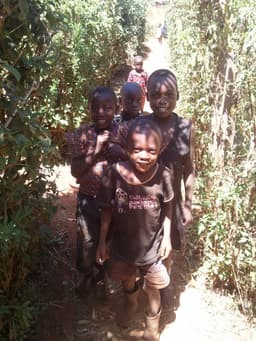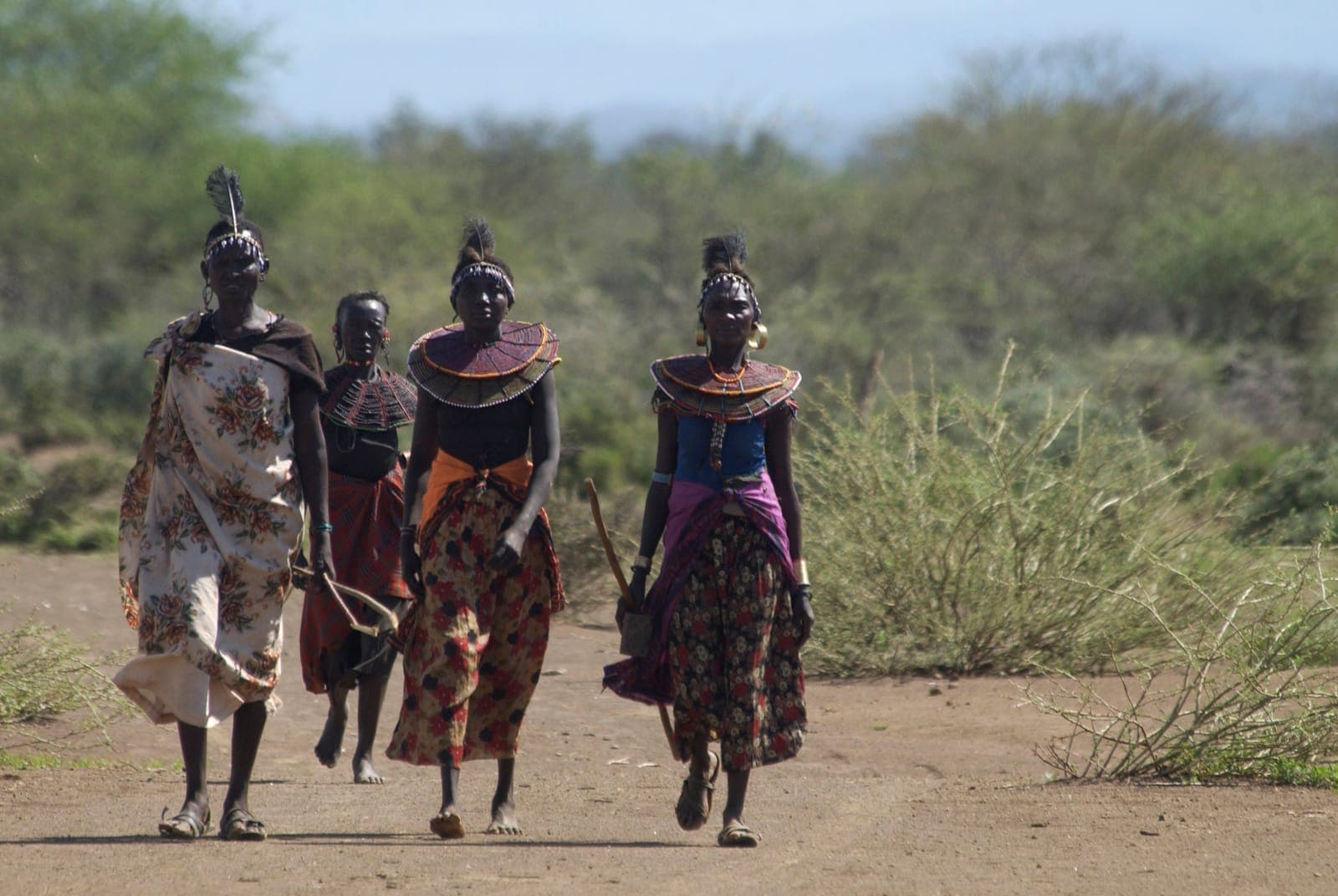
The Pokot are a Kalenjin sub-group inhabiting the rugged terrain of West Pokot County and parts of the neighbouring Rift Valley in northwestern Kenya, occupying a landscape spanning cooler highland areas suited to limited cultivation and hotter, more arid lowlands better suited to pastoralism — a geographic range that has historically supported two broadly distinct Pokot livelihood patterns, sometimes described as "hill Pokot" (more agricultural) and "plains Pokot" (more purely pastoralist), within a single shared ethnic and linguistic identity.
Traditional Pokot pastoralism centres on cattle, goats and sheep, with livestock wealth carrying deep social significance tied to bridewealth negotiations, status and, historically, a well-documented tradition of cattle raiding against neighbouring communities including the Turkana, Marakwet and, across the border, Ugandan Karamojong groups — a practice that, while significantly reduced through disarmament and security interventions in recent decades, has periodically resurfaced in localised conflicts over grazing land and livestock, particularly during drought periods that intensify competition for scarce resources.
Body adornment and traditional scarification
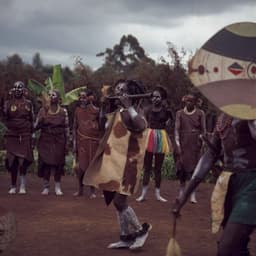
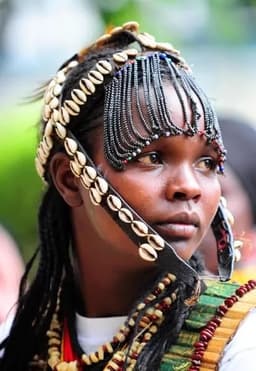
Pokot traditional dress and body adornment are visually distinctive, including elaborate beaded collars, and among some community members, traditional scarification practices carrying specific meaning tied to age, gender, life achievements and social status — certain scarification patterns have historically marked significant milestones such as killing an enemy in conflict or raiding livestock, practices tied to the community's historical warrior culture, though such specific meanings have evolved considerably as inter-community conflict has diminished.
Age-sets, circumcision and the sapana ceremony
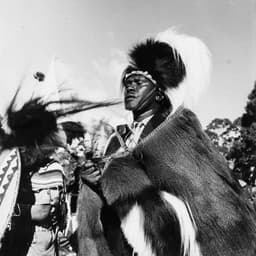
Pokot society organises male progression through age-sets, with circumcision marking initial passage into adulthood and a further ceremony, the sapana, marking the transition into senior warriorhood — a distinctive Pokot institution involving specific rituals and body decoration that sets Pokot age-grade progression apart in detail from the broadly similar systems found among other Kalenjin sub-groups and neighbouring pastoralist communities.
Kapenguria and colonial history
Kapenguria, the West Pokot administrative centre covered in this blog's nightlife coverage, holds broader Kenyan historical significance as the site where colonial authorities tried and detained Jomo Kenyatta and several other independence-era leaders in 1952 during the Mau Mau Emergency — a notable historical episode that occurred within Pokot territory though not directly involving Pokot community leadership.
Engaging with Pokot communities
- Kapenguria, covered elsewhere on this blog, offers a practical base for engaging with the wider West Pokot cultural region alongside its own significant independence-era history.
- Visits to Pokot pastoralist communities are best arranged through established local guides or community tourism operators given the region's genuine remoteness.
- Approach discussion of scarification and historical raiding traditions with genuine cultural curiosity and appropriate sensitivity to the community's ongoing efforts toward peace-building with neighbouring groups.
- Pokot beadwork, sold through community cooperatives, offers a meaningful, directly supportive craft souvenir.
The Pokot's dual highland-lowland adaptation and distinctive body adornment traditions make them one of Kenya's most visually and culturally distinctive pastoralist communities, still navigating a genuine transition from historical warrior-raiding culture toward a more settled, peace-focused regional future.