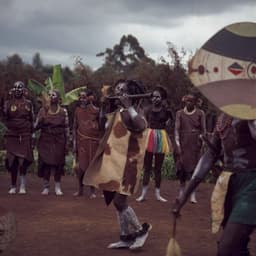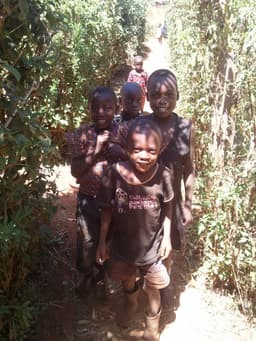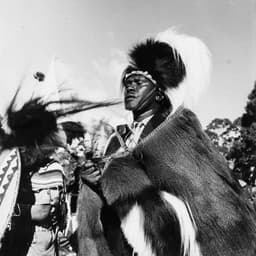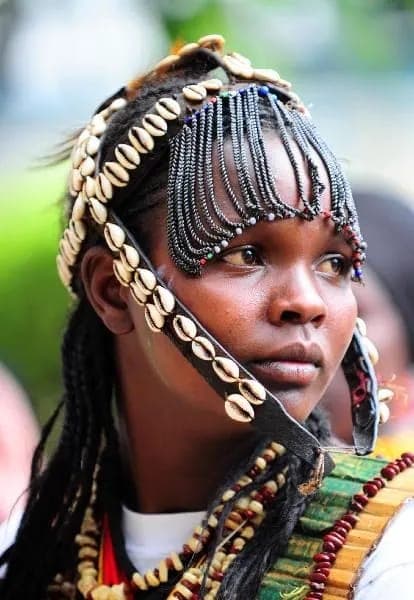
The Sabaot are a Kalenjin sub-group settled on the Kenyan slopes of Mount Elgon, the ancient extinct volcano straddling the Kenya-Uganda border covered in more geological and ecological depth elsewhere on this blog, with closely related Sabaot (Sebei) communities also present across the border in Uganda — another example, alongside the Kuria, Maasai and several other Kenyan communities, of an ethnic group whose traditional territory was divided by the colonial-era international boundary.
Sabaot territory encompasses a considerably more forested and higher-rainfall environment than most other Kalenjin sub-group territories, given Mount Elgon's substantial elevation and the moisture-trapping effect of its slopes, supporting a traditional livelihood combining cattle-keeping with forest resource use and highland cultivation of maize, beans and other crops suited to the mountain's fertile volcanic soil.
The Mosop and Soy divisions
Sabaot society is traditionally divided into two main sections — the Mosop, associated more closely with the higher forest and moorland zones of Mount Elgon, and the Soy, settled at somewhat lower elevations — a distinction that has historically shaped land use patterns and, at various points, contributed to internal political and land disputes within the broader Sabaot community, including a serious militia conflict in the 2000s tied to land allocation disputes on the mountain's slopes.
Forest resources and traditional knowledge
Mount Elgon's forest, including the elephant-carved salt caves covered elsewhere on this blog, has traditionally provided Sabaot communities with timber, honey, medicinal plants and grazing access, and traditional Sabaot ecological knowledge of the mountain's forest zones — including seasonal resource availability and sustainable harvesting practices — has been of ongoing interest to conservation researchers working on Mount Elgon National Park's forest management.
Circumcision, age-sets and shared Kalenjin institutions
Like other Kalenjin sub-groups, the Sabaot organise male social progression through circumcision and an age-set system, with councils of elders handling community governance and dispute resolution, broadly consistent with the wider Kalenjin cultural pattern while incorporating specific local variations tied to the mountain forest environment.
Exploring Sabaot culture and Mount Elgon
- Mount Elgon National Park, covered in depth elsewhere on this blog, sits within traditional Sabaot territory and offers the most direct access to the region's landscape and, through local guides, its cultural context.
- Kitale, covered in this blog's nightlife coverage, serves as a practical gateway town for the wider Mount Elgon and Sabaot cultural region.
- Local guides on Mount Elgon can offer insight into traditional forest resource use alongside the mountain's ecological features.
- Approach the region's land-dispute history with appropriate awareness — it reflects genuine, still-relevant local political and resource tensions.
As one of Kenya's smaller and less internationally documented Kalenjin sub-groups, the Sabaot's forest-adapted mountain culture offers a distinctive counterpoint to the more widely known plains and highland pastoralist traditions of their larger Kalenjin kin.