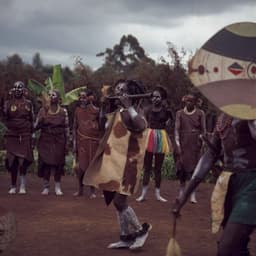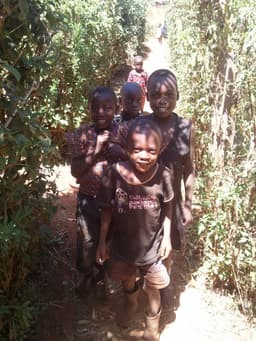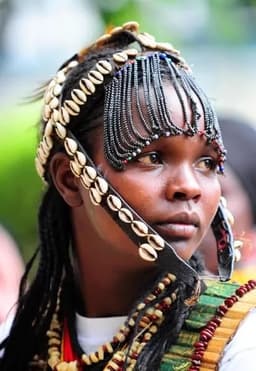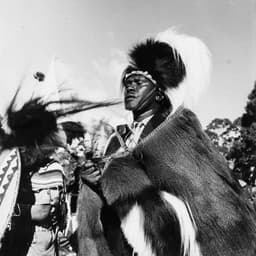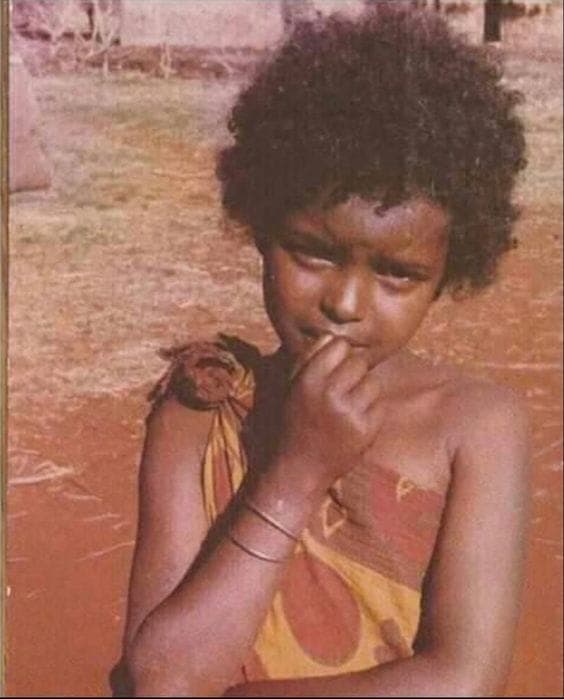
The Sakuye and Burji are two smaller Cushitic-speaking communities settled in Kenya's far northern Marsabit region, each illustrating, in different ways, the surprising ethnic diversity concentrated within the country's sparsely populated but culturally rich northern frontier — a region often mentally flattened by outsiders into a single generic "northern pastoralist" category that obscures the genuinely distinct histories and adaptations of its constituent communities.
The Sakuye: camel herders closely tied to the Borana and Somali
The Sakuye are a small pastoralist community closely related culturally and linguistically to both the Borana and, to some extent, Somali clan structures, historically maintaining a camel-centred pastoralist economy adapted to the same harsh arid conditions as their Gabra and Rendille neighbours. The Sakuye experienced significant historical displacement and hardship during a series of security crackdowns and forced relocations in the 1970s (the "Shifta War" era counter-insurgency operations against Somali-linked separatist activity in northern Kenya), a traumatic episode in the community's more recent history that significantly disrupted traditional settlement and grazing patterns for a generation, with lasting effects on the community's population distribution and economic recovery.
The Burji: agriculturalists among pastoralist neighbours
The Burji stand out from most of their northern Kenyan neighbours by maintaining a primarily agricultural rather than pastoralist livelihood, having migrated into Kenya's Marsabit region from southern Ethiopia, where Burji communities are known for skilled terraced farming and irrigation techniques — bringing this agricultural expertise with them and establishing themselves as one of the few farming-focused communities amid the otherwise overwhelmingly pastoralist ethnic landscape of Kenya's arid north, often cultivating vegetables and grains that supply local markets in Marsabit town and surrounding pastoralist communities who rely on agricultural trade to complement their own livestock-based diets.
Shared northern frontier dynamics
Both communities, alongside their Borana, Gabra, Rendille and Somali neighbours, navigate the broader shared challenges of Kenya's northern frontier region — historically limited government infrastructure investment, periodic security concerns tied to cross-border dynamics with Ethiopia and Somalia, and increasing pressure on traditional livelihoods from more frequent and severe drought cycles linked to regional climate change.
Traditional belief and modern religious identity
Both the Sakuye and Burji are predominantly Muslim, reflecting the broader Islamic influence across Kenya's Cushitic-speaking northern communities, with traditional cultural practices and social structures continuing alongside religious identity in patterns broadly similar to their Borana and Gabra neighbours.
Exploring Sakuye and Burji communities
- Marsabit town and its surrounding markets, covered elsewhere on this blog, offer the most practical access to engaging with both communities, particularly Burji agricultural produce and trade.
- Approach the Sakuye's Shifta War-era displacement history with informed sensitivity — it remains a significant and still-remembered trauma within the community.
- Burji farming areas around Marsabit offer an interesting contrast to the region's predominantly pastoralist economic pattern.
- This remains genuinely remote northern Kenya travel — proper planning and local guidance are essential.
The Sakuye and Burji together illustrate how Kenya's northern frontier, often perceived from the outside as ethnically uniform, in fact contains a remarkably fine-grained mosaic of distinct communities, each with its own specific history, economy and adaptation to one of the country's most challenging regions.