The Samburu people are closely related to the Maasai linguistically and culturally, both belonging to the broader Maa-speaking family of communities, but have adapted their pastoralist lifestyle to the considerably harsher, more arid conditions of northern Kenya. Cattle, camels and goats form the backbone of the traditional Samburu economy, with camels in particular better suited to the region's dry conditions than the cattle favoured further south.
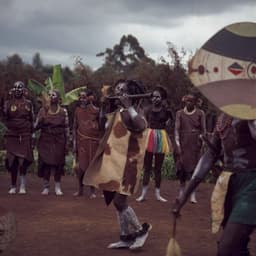
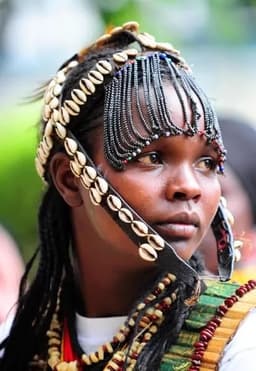
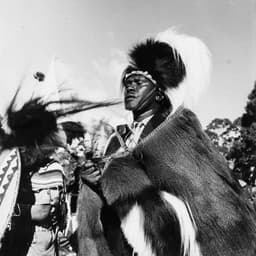
Traditional Samburu dress and beadwork are visually distinctive — elaborate beaded collars, bright cloth wraps, and age-set systems that structure social organisation around warrior (moran) and elder stages of life, similar in structure to Maasai traditions but with their own specific customs and ceremonies.
Engaging with Samburu communities
- Village visits are commonly arranged through camps and lodges around the Samburu reserves.
- Traditional dance and beadwork demonstrations are often part of organised cultural visits.
- Ask about the community's relationship with local conservancies, many of which now share conservation revenue directly with Samburu landowners.
- As with any cultural visit, choose reputable operators with established, fair community relationships.
Understanding Samburu culture adds real depth to a visit to the reserves that share the community's name — this is very much a living culture, not a historical backdrop.