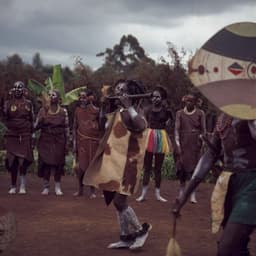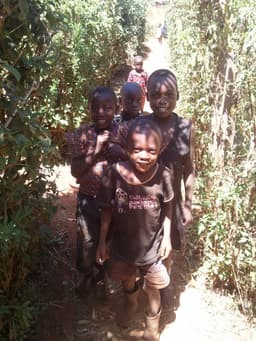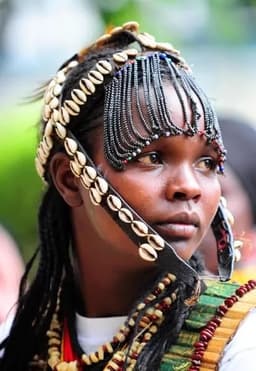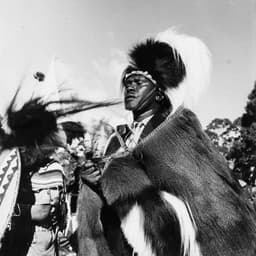
The Suba are a community with a genuinely distinctive origin story among Kenya's ethnic groups: originally Bantu-speaking migrants who moved into the Lake Victoria region from present-day Uganda and Tanzania several centuries ago, settling on islands and lakeshore areas of what is now Kenya's Homa Bay and Migori counties — including Rusinga and Mfangano Islands, covered elsewhere on this blog — where they gradually came into sustained contact with the numerically much larger, Nilotic-speaking Luo community that had also settled the broader Lake Victoria region.
Over generations of close proximity, intermarriage and economic integration with their Luo neighbours, most Suba communities gradually shifted from their original Bantu language to speaking Dholuo, the Luo language — a striking and relatively well-documented case of language shift and partial cultural assimilation, in which an originally distinct ethnic group adopted the language of a larger neighbouring community while, notably, retaining a distinct sense of separate Suba ethnic identity rather than being fully absorbed into Luo identity outright.
A distinct identity despite language shift
Remarkably, despite this near-complete language shift, Suba communities have actively maintained and, in recent decades, deliberately reasserted a distinct ethnic identity separate from the Luo, including formal recognition as a distinct community in Kenyan ethnic classifications and government administrative structures — a case that offers genuinely interesting insight into how ethnic identity can persist as a social and political category even after the near-total loss of the original distinguishing language, sustained instead through shared ancestry narratives, specific cultural practices and island geography.
Island fishing culture
Suba communities on Rusinga, Mfangano and other Lake Victoria islands maintain a strong traditional fishing culture, using dugout canoes and traditional fishing methods on the lake, broadly similar in economic pattern to their Luo lakeshore neighbours, alongside limited island farming given the constrained agricultural land available on Lake Victoria's smaller islands.
Traditional belief and cultural revival efforts
Traditional Suba spiritual practice historically included ancestor veneration and beliefs specific to their original Bantu cultural heritage, and in recent decades there have been deliberate community-led efforts to document and revive elements of distinct Suba cultural practice and even limited aspects of the original Suba language, part of a broader pattern of ethnic minority cultural revitalisation efforts within Kenya's constitutional recognition of its diverse ethnic communities.
Exploring Suba culture and Lake Victoria's islands
- Mfangano and Rusinga Islands, the latter covered elsewhere on this blog for its Tom Mboya connection, offer the most direct access to Suba island fishing communities.
- Local guides on the islands can explain the community's distinctive language-shift history and ongoing cultural identity efforts in more depth.
- Homa Bay, covered elsewhere on this blog, serves as a practical mainland base for exploring the Suba island communities.
- The Suba's case offers a genuinely instructive real-world example of the complex relationship between language and ethnic identity, worth understanding on its own terms rather than through a simple "assimilated versus authentic" framing.
The Suba's journey from Bantu migrants to a Luo-speaking but ethnically distinct island community stands as one of Kenya's most academically interesting case studies in how ethnic identity can persist and even actively reassert itself independent of the language typically assumed to define it.