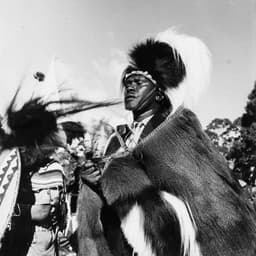
The Taita people, indigenous to the hills that bear their name, maintain a distinctive traditional practice of preserving the skulls of deceased ancestors in designated sacred caves within the hills — a custom tied to ancestor veneration and believed to keep departed family members' spirits close to the living community, distinct from burial customs found elsewhere in Kenya.
The Taita Hills' relative isolation historically allowed such traditions to persist with less external disruption than in more accessible parts of the country, and while modernisation has changed many aspects of daily life, the skull cave tradition and broader ancestor-focused spiritual practices remain culturally significant to many Taita families.
Visiting respectfully
- Skull caves are sacred sites — visits should always be arranged through local guides with proper community permission and protocol.
- Photography of sacred sites and any skulls present requires explicit permission and should generally be avoided or minimised.
- Local guides can explain the practice's spiritual significance in far more depth and nuance than a passing visit alone would reveal.
- Treat this as a genuine cultural and spiritual practice, not a curiosity — the same respect you'd extend to any religious site.
Understanding this tradition adds real depth to a Taita Hills visit, connecting the landscape's isolation to the distinctive culture it helped preserve.