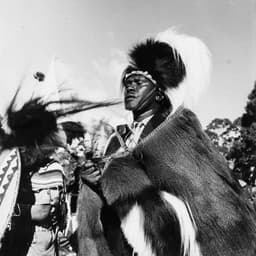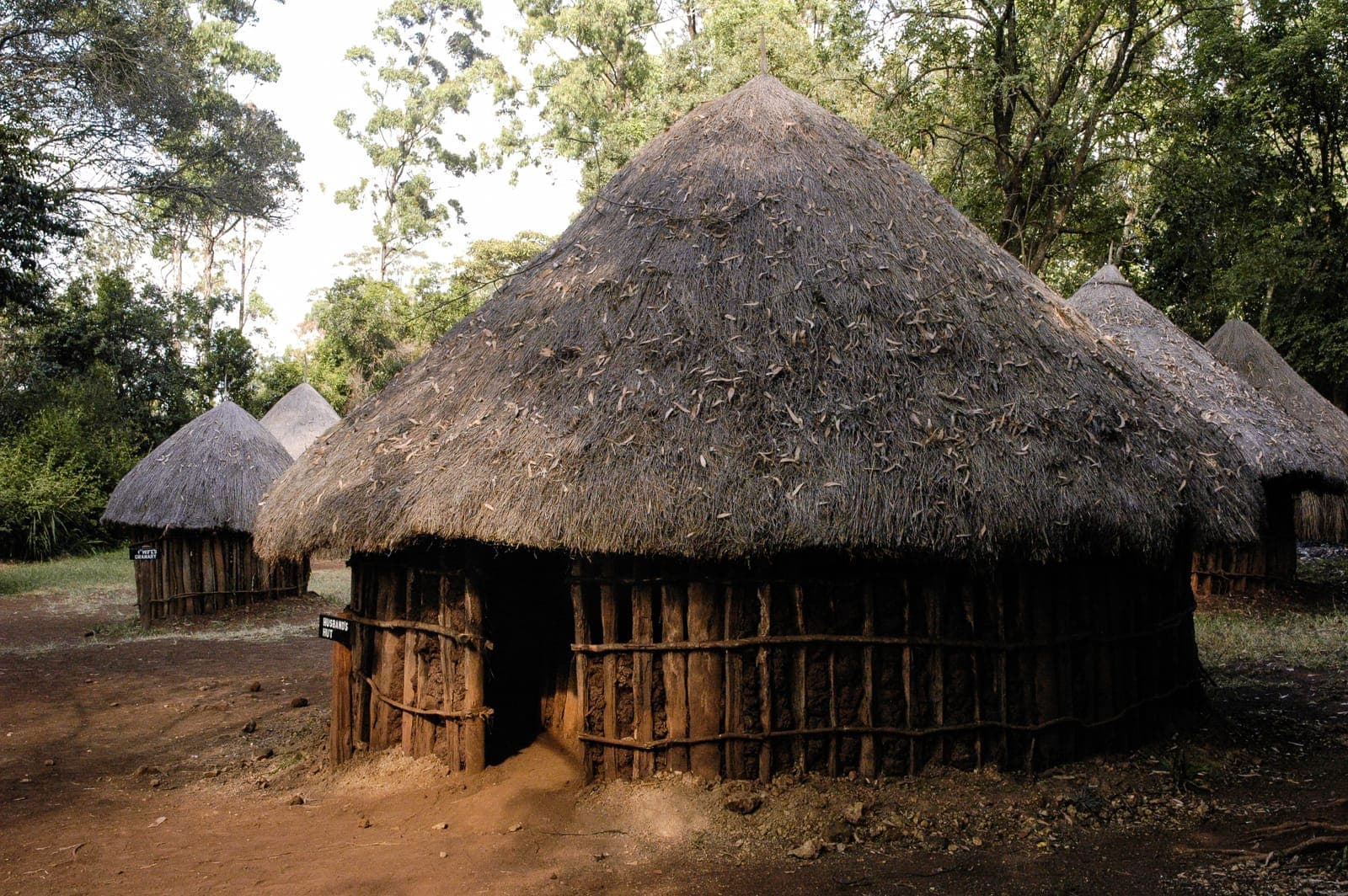
The Taita are a Bantu community settled in the Taita Hills, an ancient and geologically isolated highland range rising abruptly from the hot, arid plains of Tsavo in southeastern Kenya — a landscape covered in more ecological depth elsewhere on this blog for its unique biodiversity. That same isolation, which has produced endemic plant and animal species found nowhere else on Earth, has also shaped a genuinely distinct Taita cultural identity, historically less connected to the major pre-colonial trade and migration routes that shaped many of Kenya's larger interior communities.
Taita oral tradition describes settlement of the hills by successive waves of migrating clans over recent centuries, each establishing distinct fortified hilltop settlements in patterns of retreat and defence not unlike the Mijikenda kaya tradition on the nearby coast, reflecting a broader regional pattern of highland refuge settlement in a landscape otherwise exposed to raiding from surrounding pastoralist groups.
The sacred skull caves
Among the Taita's most distinctive and internationally documented traditions is the practice of preserving ancestors' skulls in designated sacred caves within the hills, a custom tied to ancestor veneration and the belief that keeping a deceased relative's skull close preserves their spiritual connection to the living family and community — a practice covered separately elsewhere on this blog, and one that sets the Taita apart from most neighbouring communities' burial customs.
Terraced agriculture and highland adaptation
Taita communities developed sophisticated terraced hillside farming to make productive use of the hills' limited but fertile arable land, growing bananas, coffee, vegetables and other crops on carefully constructed terraces that represent generations of accumulated agricultural engineering knowledge, allowing dense settlement on terrain that would otherwise support only limited cultivation.
Clan structure and traditional belief
Traditional Taita society organised through clan structures with councils of elders handling land and dispute matters, alongside a spiritual tradition centred on ancestor veneration mediated through the sacred caves and specific ritual sites within the hills, existing alongside — and in various communities, gradually supplanted by — Christianity introduced through 19th and 20th century missionary activity in the region.
Exploring Taita Hills culture
- The Taita Hills themselves, covered in more ecological depth elsewhere on this blog, offer hiking access alongside cultural engagement through local community guides.
- Visits to sacred skull caves should always be arranged through local guides with appropriate community permission and protocol, given their status as active sacred sites.
- The hills' terraced farming landscape is worth appreciating as a genuine feat of highland agricultural adaptation.
- Taveta, near the Tanzanian border and covered in this blog's nightlife coverage, sits within the broader Taita cultural and geographic region.
The Taita's combination of geographic isolation, unique burial customs and sophisticated highland farming makes them one of Kenya's more culturally distinct communities relative to their modest population size.