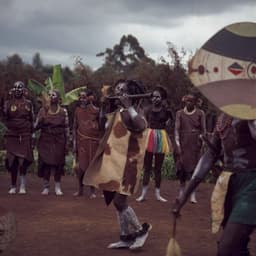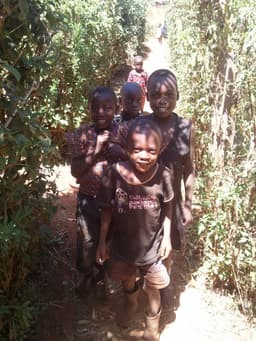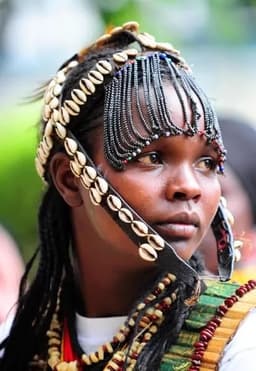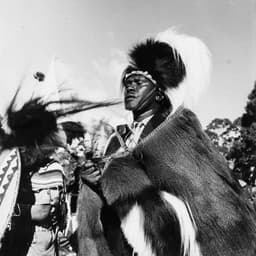
The Teso (Iteso) are a Nilotic community settled in Busia County in western Kenya, part of a much larger Iteso population whose majority lives across the border in eastern Uganda, making the Kenyan Teso a relatively small extension of a broader cross-border ethnic community — a pattern shared with several other Kenyan communities covered on this blog, including the Kuria, Maasai and Sabaot, whose traditional territories were divided by colonial-era boundary drawing.
Traditional Teso society combines cattle-keeping with cultivation of millet, sorghum and cassava, organised through a clan system and age-grade structures that, while sharing broad Nilotic cultural patterns with communities like the Turkana and Kalenjin further east, developed distinct local customs shaped by centuries of proximity to Bantu-speaking Luhya and Luo neighbours in Kenya's far western corner.
Homestead architecture and family structure
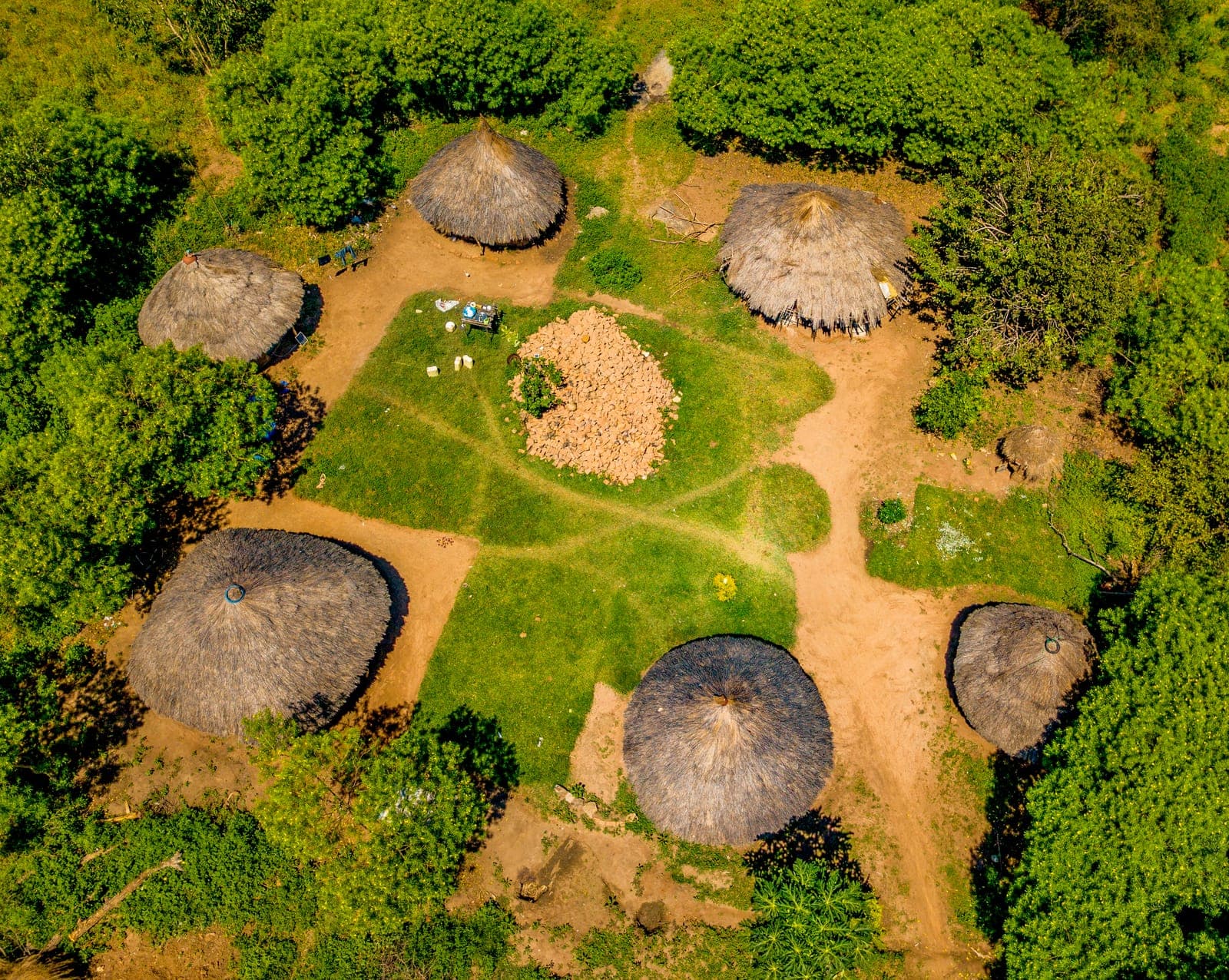
Traditional Iteso homesteads (ekek) are organised around extended polygamous family compounds, with individual houses arranged according to specific customary patterns reflecting seniority and marital status within the household — a domestic architecture and social organisation that has been documented by anthropologists as a particularly clear example of Nilotic homestead planning principles, distinct from the compound layouts typical of neighbouring Bantu communities.
Cross-border identity and trade
The Teso's position straddling the Kenya-Uganda border has historically supported significant cross-border trade, kinship visiting and, at various colonial and post-colonial junctures, some complicated administrative and security dynamics tied to managing a divided ethnic community across two national jurisdictions — a lived reality of borderland identity that shapes daily life for many Busia County Teso families with relatives and business interests on both sides of the frontier.
Traditional belief and modern religious life
Traditional Iteso spiritual practice centred on a supreme deity (Edeke) and ancestor veneration, alongside traditional healers and diviners, a belief system that has, like most Kenyan communities, coexisted and blended to varying degrees with Christianity introduced through 20th-century missionary activity in the region.
Exploring Teso culture in Busia
- Busia town and the surrounding county offer direct access to Kenyan Teso community and border-trade life.
- The Kenya-Uganda border crossing itself offers an interesting look at the cross-border commercial and social dynamics shaping the region.
- Local markets reflect a genuine blend of Kenyan and Ugandan trade influences given the community's cross-border position.
- Approach the Teso as a distinct community in their own right rather than simply an extension of Uganda's larger Iteso population.
The Kenyan Teso illustrate a recurring theme across several of the country's smaller border communities: a genuinely distinct local identity shaped by the specific, often overlooked experience of living as a national minority extension of a larger ethnic group based primarily across an international boundary.