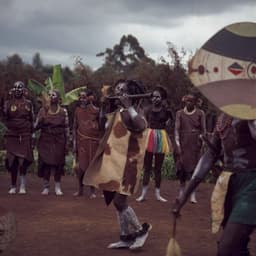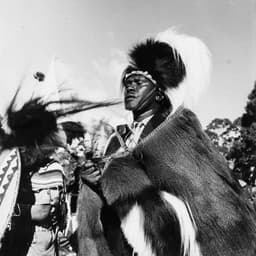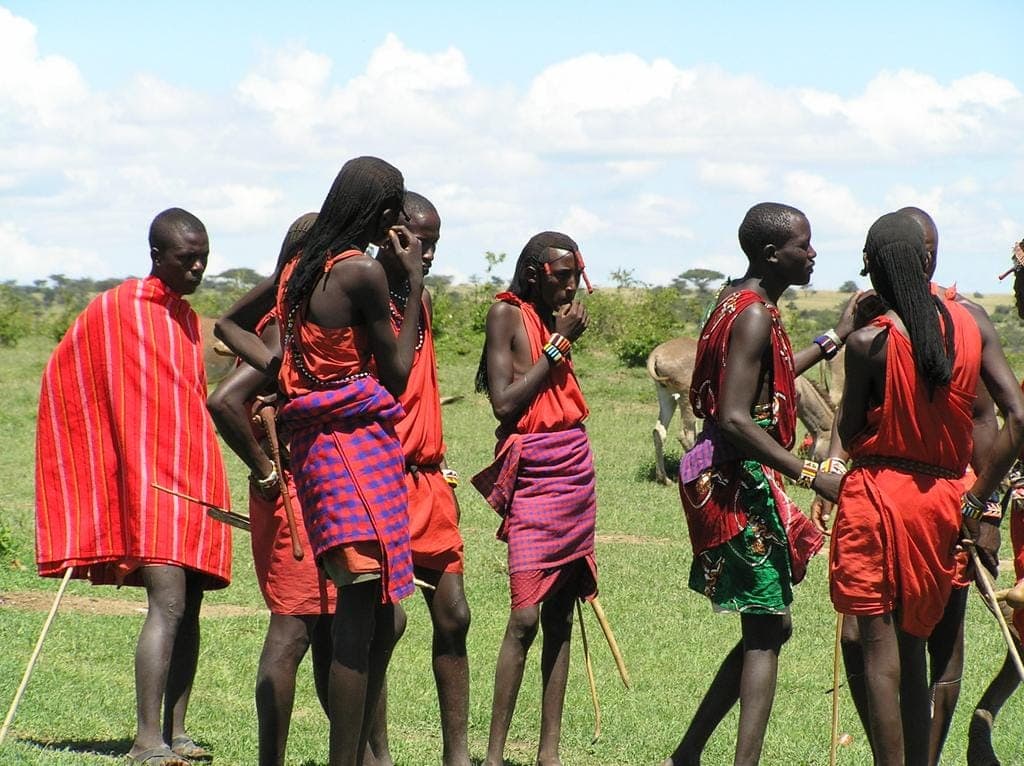
Traditional dress across Kenya's ethnic communities varies enormously in material, style and specific meaning, shaped by each community's particular environment, available materials and cultural aesthetic — from the Maasai's iconic red shuka cloth wrap, to Somali women's flowing guntiino wraps reflecting Islamic and Horn of Africa textile traditions, to the elaborate feathered and ochre-decorated warrior dress of Turkana and Samburu men, to the more everyday cotton wraps and kanga cloth found across coastal Swahili communities.
The Maasai shuka and its misunderstood origins
The red-checked shuka cloth most internationally associated with Maasai identity is, perhaps surprisingly to many outside observers, a relatively recent adoption rather than an ancient traditional textile — traditional Maasai dress historically relied on tanned animal hides, with the shift toward woven cotton cloth, including the now-iconic red pattern, occurring predominantly through 20th-century trade contact. This doesn't make the shuka any less genuinely and meaningfully Maasai today, but it does illustrate how "traditional" dress often represents a living, adapted tradition incorporating relatively recent materials rather than an unchanged ancient practice — a pattern found across many communities' evolving traditional dress.
Kanga and kitenge: coastal and pan-African cloth traditions
Kanga cloth — brightly patterned cotton fabric printed with Swahili proverbs or sayings along one border, worn by women across the Kenyan coast and much of East Africa — represents a genuinely distinctive textile tradition combining decorative pattern with embedded textual communication, since the specific proverb printed on a given kanga carries its own social message that wearers can select deliberately to convey a particular sentiment. Kitenge, a similarly patterned but distinct wax-print cotton cloth found across much of Kenya and wider Africa, serves both everyday and formal ceremonial dress functions.
Headwear, hairstyles and status markers
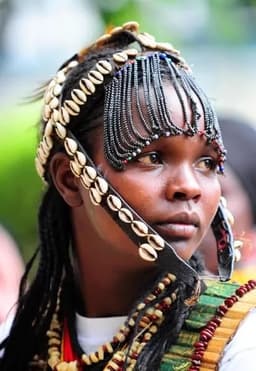
Traditional hairstyles and headwear across Kenyan communities frequently encode age, marital or social status information similarly to beadwork covered elsewhere on this blog — the Rendille doko hairstyle worn by unmarried warriors, various Kalenjin and Maasai head ornamentation marking age-set status, and Islamic head coverings worn by Muslim women across coastal and northern Kenyan communities each carry specific, community-particular social meaning beyond pure aesthetic choice.
Modern dress and cultural continuity
Most Kenyans today wear predominantly Western-style everyday clothing, with traditional dress reserved for specific ceremonial occasions, cultural events, or, among some pastoralist communities, continued daily wear particularly in more rural areas — a pattern of situational dress code common across much of the modernising world, in which traditional and contemporary dress coexist as context-appropriate choices rather than a simple binary of "modern" replacing "traditional."
Engaging with Kenyan dress traditions
- Buying kanga or kitenge cloth directly from coastal or general markets offers a genuinely useful, wearable souvenir with real cultural texture.
- Ask about the specific meaning of a kanga's printed proverb before purchasing — it adds real depth to the item.
- Bomas of Kenya and cultural festivals showcase multiple communities' traditional dress side by side for useful comparison.
- Approach traditional dress as a living, evolving practice rather than assuming a static "authentic" form frozen in some imagined past.
Kenya's traditional dress diversity offers one of the most immediately visible ways to appreciate the country's ethnic variety — a genuinely rich visual language of colour, material and pattern that continues to evolve even as it preserves deep cultural roots.