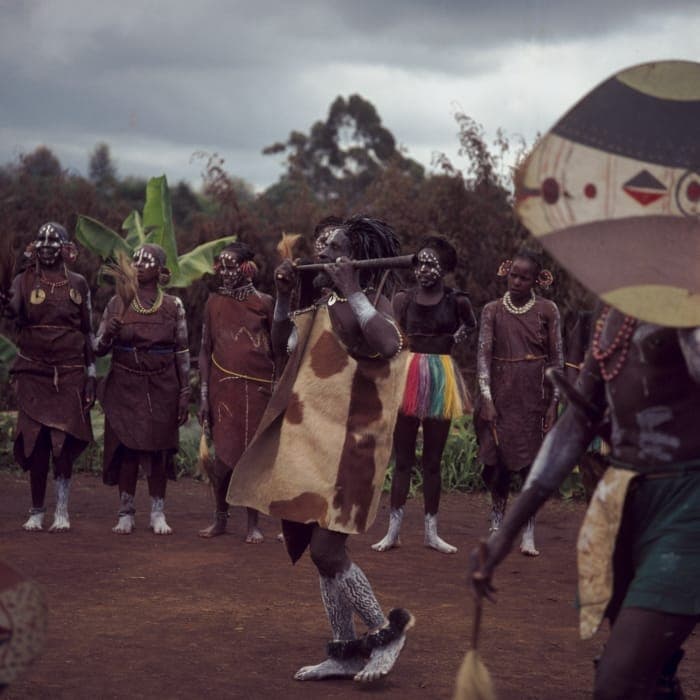
Traditional marriage ceremonies across Kenya's many ethnic communities share a consistent underlying logic distinct from a purely Western individualist wedding model: marriage is understood primarily as an alliance between two families or clans, not simply a union between two individuals, and the ceremonies and negotiations surrounding it reflect that broader social and economic stake held by the wider family and community.
Bridewealth: negotiation, not transaction
The most widely practised and, to outside observers, sometimes misunderstood element of traditional Kenyan marriage is bridewealth (often called dowry in local English usage, though functioning oppositely to the South Asian dowry concept, since payment flows from the groom's family to the bride's rather than the reverse) — historically paid in cattle among pastoralist communities like the Maasai, Kalenjin and Samburu, and in a combination of livestock, goods and cash among many agricultural communities today. Rather than a simple purchase transaction, as it is sometimes crudely characterised, bridewealth negotiation traditionally functions as a formal, often extended process establishing mutual respect and ongoing obligation between the two families, with the specific amount and composition reflecting community-specific customary formulas rather than an open market price.
Ceremony structures across communities
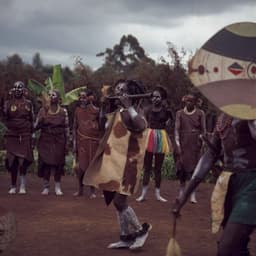
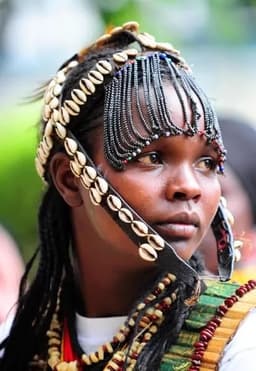
While specific ceremony details vary enormously between, for example, a Kikuyu ruracio (dowry negotiation and payment ceremony), a Maasai wedding blessing involving ritual spitting as a gesture of goodwill, and a coastal Swahili Islamic nikah ceremony followed by days of communal celebration, most traditional Kenyan wedding processes share common elements: formal introduction of families, negotiation or confirmation of bridewealth terms, blessing by elders or religious leaders, and extended multi-day community celebration involving specific traditional foods, music and dance associated with the particular community.
Modern blending and legal frameworks
Contemporary Kenyan weddings very commonly blend traditional ceremony elements with civil or religious (Christian or Islamic) marriage registration required for legal recognition, producing multi-stage wedding celebrations that might include a traditional ceremony, a church or mosque wedding, and a modern reception — a genuinely common and widely embraced "best of both" approach across much of the country today, reflecting both continued respect for customary practice and practical engagement with Kenya's modern legal marriage framework.
Understanding traditional weddings respectfully
- Bridewealth should be understood within its specific cultural logic of family alliance-building, not through a simplistic "buying a wife" framing that misrepresents the practice's actual social function.
- If invited to a traditional Kenyan wedding ceremony, dress and gift customs vary by community — ask your host directly for guidance rather than assuming.
- Community cultural centres and events, including Bomas of Kenya covered elsewhere on this blog, sometimes stage demonstration wedding ceremonies for educational purposes.
- Wedding celebrations are among the most joyful, music-and-food-filled community events across Kenya — a genuinely wonderful window into local culture when respectfully attended.
Traditional Kenyan wedding customs, for all their community-specific variation, share a consistent thread: marriage as a matter binding entire families and communities together, not simply a private arrangement between two people.