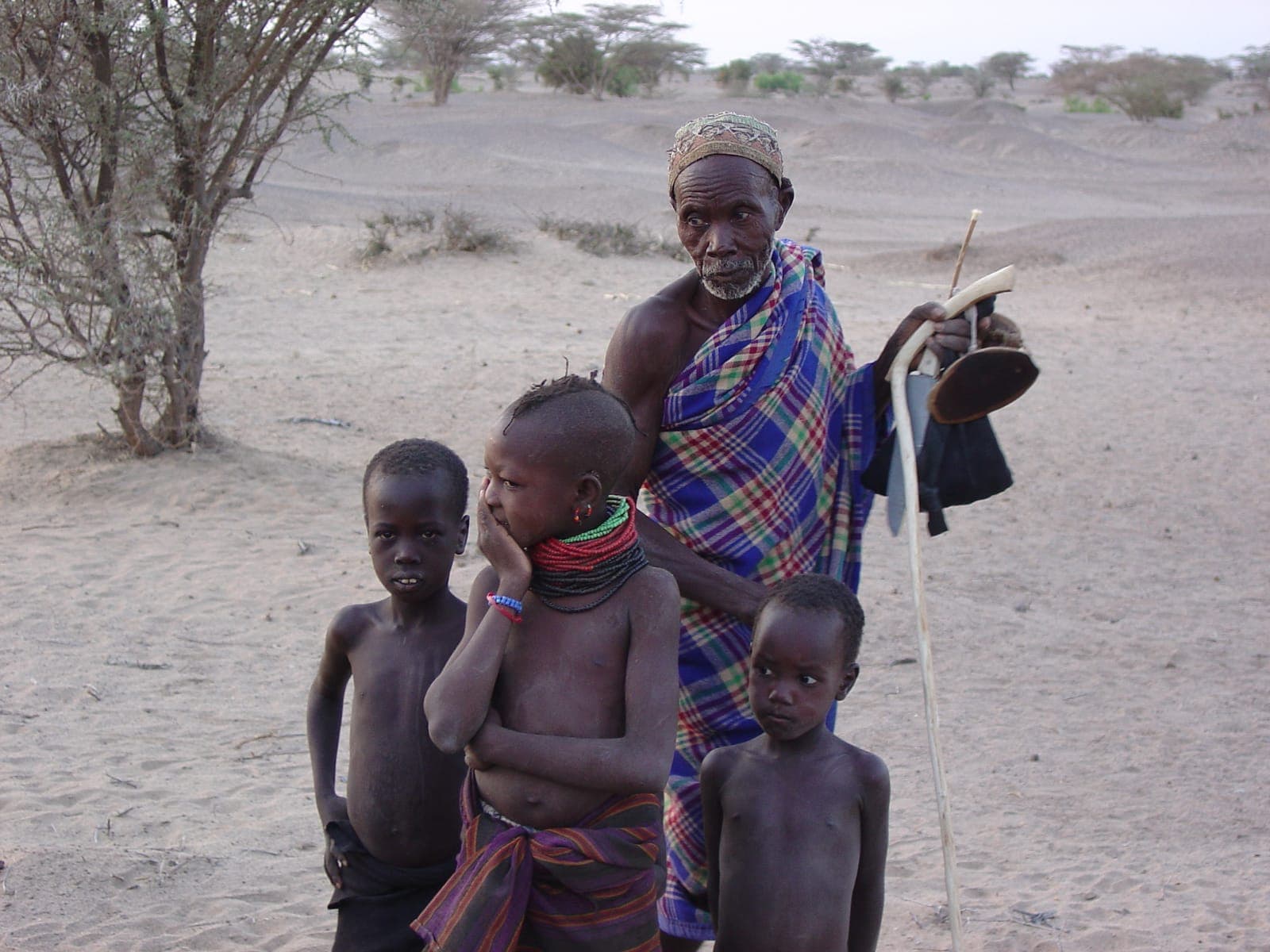
The Turkana are a Nilotic pastoralist community inhabiting Kenya's arid and semi-arid northwestern region around Lake Turkana, one of the harshest and least hospitable environments in the country, and by most measures the largest single ethnic community in Kenya's vast but sparsely populated far north. Turkana society has developed one of East Africa's most thoroughly adapted pastoralist lifestyles, herding cattle, camels, goats, sheep and donkeys across a mobile, seasonally shifting grazing pattern that responds directly to the region's unpredictable and scarce rainfall.
Unlike many Kenyan communities that experienced significant land alienation and settlement pressure during the colonial period, the Turkana's extremely remote and resource-poor homeland left them relatively less disrupted by colonial land policy, though this same remoteness has also meant historically limited investment in infrastructure, education and health services — a disparity that remains a significant regional development challenge today, even as oil discoveries and Lake Turkana's wind power potential have brought new economic attention to the region.
Camels, drought resilience and livestock diversity
A defining feature of Turkana pastoralism is its unusually diversified livestock portfolio — maintaining cattle, camels, goats, sheep and donkeys simultaneously, each suited to different vegetation and drought conditions, which provides a hedge against the total herd loss that a single-species strategy would risk during the region's frequent severe droughts. Camels in particular have become increasingly important in recent decades as rainfall patterns have grown more erratic, since they tolerate drought and browse vegetation unavailable to cattle far better than other livestock.
Dress, adornment and age-sets
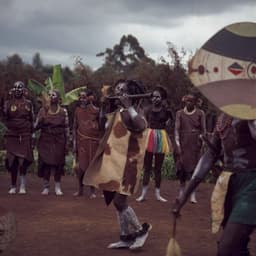
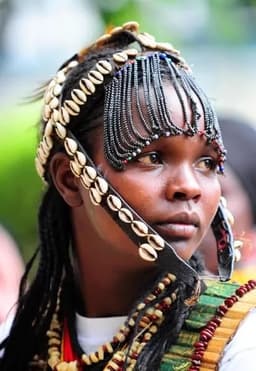
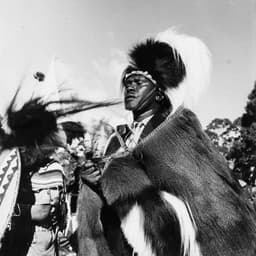
Turkana traditional dress and adornment are visually striking and distinct from neighbouring communities — elaborate beaded necklaces and headpieces, wrist knives, and, among some men, a distinctive mud-pack hairstyle called an ekicholong, decorated with feathers and worn as a mark of status. Society is structured through an age-set system dividing men into alternating generational sets (broadly, "Leopards" and "Stones" in different regional variants) that govern ritual seniority and social obligations, similar in underlying logic to age-set systems found among the Maasai, Samburu and Kalenjin.
Sungura, akiriket ceremonies and belief
Traditional Turkana religious practice centres on a supreme being, Akuj, associated with the sky, alongside prophets (emuron) who hold significant spiritual and advisory authority within the community, including in matters of livestock raiding, drought prediction and conflict mediation. The akiriket, a formal male council gathering conducted under sacred trees, handles significant community decisions and rituals, paralleling similar elder-council institutions found across many of Kenya's pastoralist communities.
Visiting Turkana communities
- Lodwar, the region's main town, covered elsewhere on this blog, is the practical base for engaging with Turkana culture and commerce.
- Lake Turkana itself, along with the Sibiloi National Park fossil sites and Turkana cultural sites, are covered in depth elsewhere on this blog.
- Visit with a local guide given the region's genuine remoteness and the cultural specificity of engaging respectfully with a community accustomed to relatively limited outside contact historically.
- Turkana beadwork and craftwork, sold through community cooperatives, make for meaningful, directly supportive souvenirs.
Turkana resilience in one of Africa's most demanding environments represents a genuinely impressive feat of ecological adaptation, sustained across generations through mobility, livestock diversity and a strong communal decision-making tradition.